Меню
Соціальні мережі
Розділи
March 26, 2023, 9:11 p.m.
International Criminal Court
This article also available in English5687

Image: Midjourney
On March 17, 2023, the International Criminal Court (ICC) in The Hague issued an arrest warrant for Russian President Vladimir Putin and Russian Children's Ombudsman Maria Levova-Belova. Both are suspects in the illegal forced transfer of Ukrainian children from the occupied territories of Ukraine to Russia during the full-scale invasion. The warrant against the Russian president is the first ever against the leader of a permanent member of the UN Security Council, and the third against a head of state in office. Prior to that, charges were brought against Sudanese President Omar al-Bashir and Libyan ruler Muammar Gaddafi.
We continue our series of publications on the activities of global international organizations. We refer to such organizations as structures whose members are the vast majority of countries. An important feature of such organizations is that the rules and decisions they adopt actively influence the formation of a certain area of human interests - politics, economics, justice, sports, etc. Today, we will talk about the International Criminal Court.
General description of the International Criminal Court
Signing and ratification of the Rome Statute
General characteristics of the International Criminal Court
The International Criminal Court is an intergovernmental criminal justice body with the competence to prosecute persons responsible for genocide, war crimes, crimes against humanity and crimes of aggression. The ICC was established after the signing of the Rome Statute by the states of the world in 1998 and officially began its work on July 1, 2002, after the ratification of the Statute by sixty countries. The ICC is headquartered in The Hague. The organization's staff includes more than 900 people from about 100 countries.
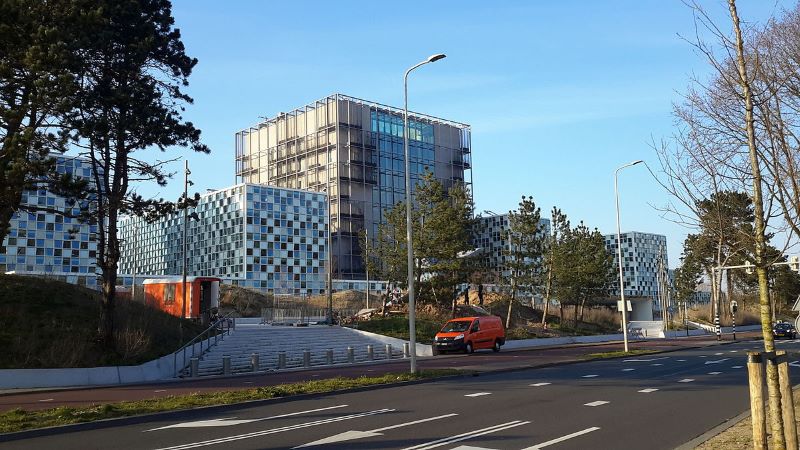
The headquarters of the ICC. Photo: Wikipedia
Signing and ratification of the Rome Statute
Countries become members of the ICC if they have ratified the Rome Statute. Currently, there are 124 such countries in the world. Armenia was the last to ratify the Statute on March 24, 2023. According to the Statute, a country may revoke its ratification and withdraw from the ICC. To do this, it is necessary to send a written notification to the UN Secretary-General, which comes into force one year after receipt. Four countries have expressed a desire to withdraw from the ICC: Burundi, the Philippines, Gambia and South Africa. Interestingly, the latter two later canceled their withdrawal from the organization.
Another 31 countries have signed but not ratified the Rome Statute. According to the Vienna Convention on the Law of Treaties, a country must refrain from actions that could defeat the object and purpose of the treaty. However, such obligations cease to apply if the state has clearly demonstrated its unwillingness to ratify the treaty. Four countries have informed the UN Secretary-General that they do not plan to ratify the Rome Statute: Israel, Russia, North Sudan, and the United States.
In 2016, the ICC recognized the situation in Crimea as tantamount to an international armed conflict, after which Russia announced its withdrawal from the organization's jurisdiction.
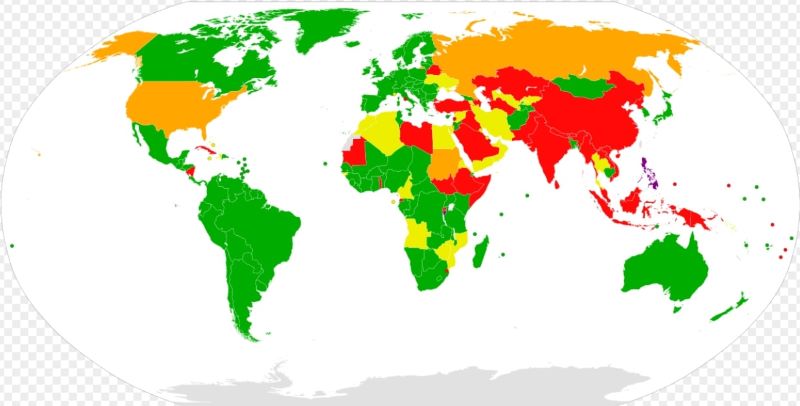
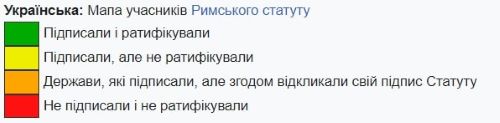
Image: wikipedia
In order for the ICC to intervene in a case, several requirements must be met.
Firstly, the ICC deals with a limited range of crimes: genocide, crimes against humanity, war crimes and crimes of aggression. Secondly, only countries that have ratified the Rome Statute can request the ICC's intervention. If a state has not ratified the Statute, it may request the ICC to extend the Court's jurisdiction over a particular crime. In addition to a member state, the UN Security Council and the ICC Prosecutor can initiate a case. Moreover, the Security Council can initiate a case even in a country that has not ratified the Rome Statute.
Thirdly, the crime must have occurred in the territory of the country applying to the ICC, or a citizen of that country is accused of committing the crime.
Fourthly, the ICC deals only with crimes committed after the Rome Statute entered into force. Moreover, if a country ratified the Statute later than July 1, 2002, the ICC can only investigate crimes against that country since the date of ratification.
The Assembly of Member States is the supervisory and legislative body of the ICC. Each member state has one representative in the Assembly. States that have signed the Rome Statute may attend as observers. The Assembly meets once a year, and special sessions may be held if necessary. The main functions of the Assembly include the following:
- providing the Presidency, the Prosecutor and the Registrar with an overview of the management of the ICC's affairs;
- Consideration and adoption of the ICC budget;
- electing judges, the Prosecutor and his deputies, as well as removing them from office in case of serious misconduct.
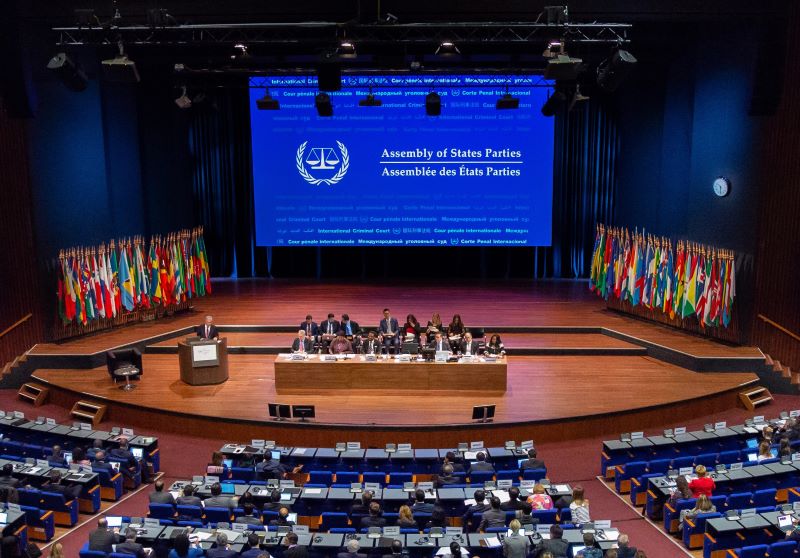
A session of the ICC Assembly. Photo: ICC
The Presidency is responsible for managing the work of the ICC and consists of the President and the First and Second Vice-Presidents. They are elected for a three-year term and may be re-elected once. Since March 2021, the Polish lawyer and judge Piotr Hofmannski has been acting as President.
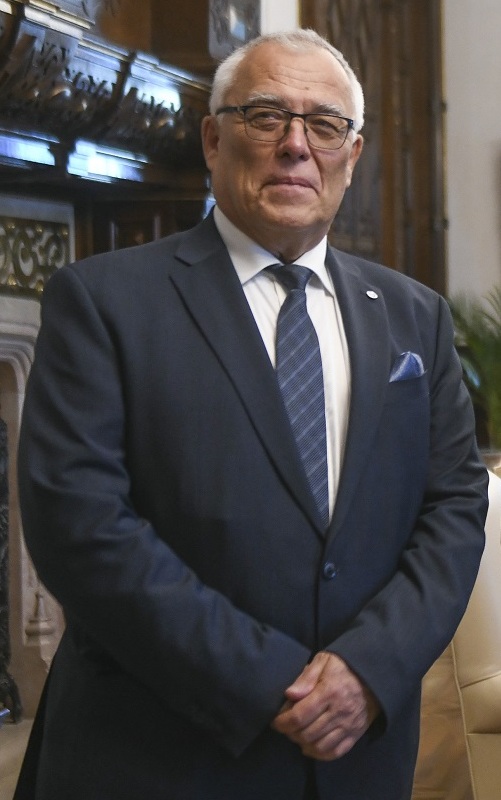
President of the ICC Presidency Piotr Hofmannski. Photo: Wikipedia
The judicial component of the ICC is represented by eighteen judges who are elected for a nine-year term. They include a president and vice-presidents. Once elected, the judges are divided into three divisions. The Appeals Division consists of the President and four other judges; the Trial Division and the Pre-Trial Division consist of at least six judges each.
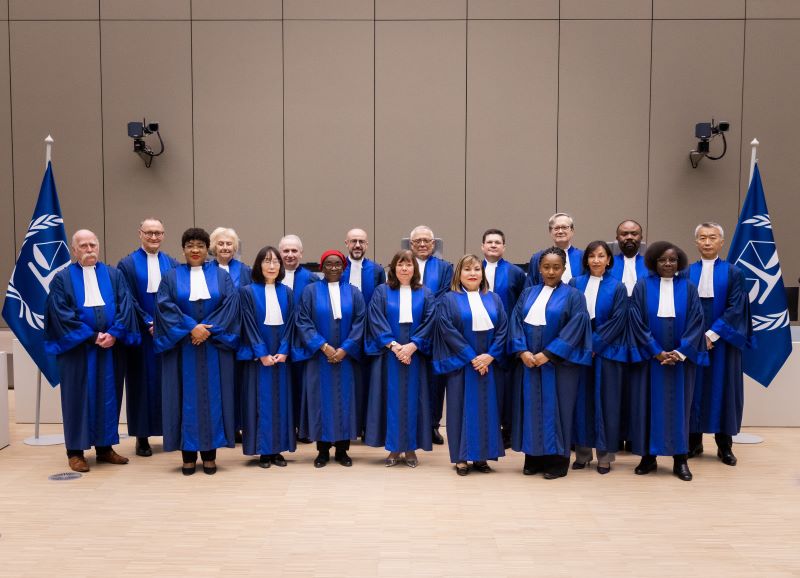
ICC judges in February 2023. Photo: ICC
The Office of the Prosecutor is responsible for investigating, charging and prosecuting cases. The Office is headed by the Prosecutor, who is assisted by one or more deputies. All of them are elected for a nine-year term. Since 2021, the Office has been headed by British lawyer Kareem Ahmad Khan.
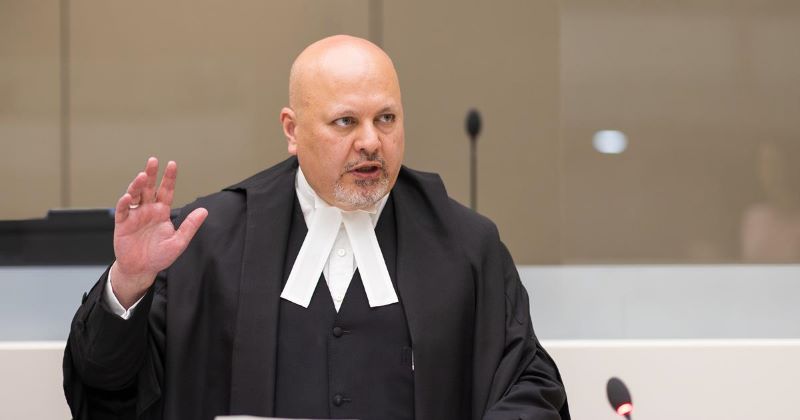
ICC Prosecutor Kareem Ahmad Khan. Photo: ICC
The Registry is responsible for the non-judicial aspects of case management and servicing of the ICC. The body is headed by the Registrar, who is elected for a five-year term and may be re-elected once.
The Victims Trust Fund was established to provide assistance and support to victims of crime. The Fund has two main functions: to ensure the payment of reparations to victims of crimes as established by the ICC and to provide physical, psychological and material support to victims and their families.
Since its inception, the ICC has considered 31 cases, some of which involve more than one suspect. The ICC judges issued 38 arrest warrants. Thanks to the cooperation of member states, 21 people were arrested and transferred to the ICC. Five charges were dropped due to the death of the persons involved in the investigations. The ICC has investigated illegal activities in 17 countries, including 9 in Africa (Burundi, the Democratic Republic of the Congo, Côte d'Ivoire, Kenya, Libya, Mali, North Sudan, Uganda, and the Central African Republic), 2 in Europe (Georgia, Ukraine), 1 in South America (Venezuela), and 5 in Asia (Afghanistan, Bangladesh, Myanmar, Palestine, and the Philippines).
Several years after the ratification of the Rome Agreement were spent on the formation and staffing of the ICC. In 2005, the Prosecutor issued an arrest warrant for several members of the Ugandan rebel group Lord's Resistance Army, including the movement's founder and commander-in-chief, Joseph Kony. Kony is facing 12 charges of crimes against humanity and 21 charges of war crimes, including murder, rape, sexual slavery, deliberately targeting civilians, deliberately mobilizing children, etc. The cases of several fighters have been closed due to their deaths, but some, including Koni, remain in hiding.
In 2006, the leader of the Union of Congolese Patriots , Thomas Lubanga, was arrested and transferred to the ICC. He was accused of military mobilization of children under the age of 15 and their use in hostilities. Lubanga was sentenced by the ICC to 14 years in prison, which ended in 2020. This was the first guilty verdict of the ICC.
In 2009, an arrest warrant was issued for the then President of Sudan, Omar Bashir. He was accused of five crimes against humanity, two war crimes and three crimes of genocide committed during the conflict in Darfur between 2003 and 2008. Bashir became the first sitting head of state to be indicted by an international justice body. In 2019, a military coup took place in North Sudan, and the president was arrested. The new government agreed to transfer Bashir to the ICC.
In 2011, the ICC issued arrest warrants for Libyan leader Muammar Gaddafi, his son Saif al-Islam, and Libyan intelligence chief Abdullah al-Senussi. Muammar Gaddafi was accused of two crimes against humanity during the 2011 demonstrations in Libya. The arrest warrant for Muammar Gaddafi was withdrawn due to his death. Other defendants in the case are under arrest in Libya. Interestingly, in this case, the case was initiated through an appeal to the ICC by the UN Security Council.
In 2011, charges were brought against Kenya's Deputy Prime Minister and Minister of Finance , Uhuru Kenyatta. He was suspected of involvement in the 2007-08 post-election violence in Kenya. Subsequently, the ICC Prosecutor dropped the charges due to lack of evidence, and Kenyatta won the Kenyan presidential election in 2013.
In 2011, the ICC issued an arrest warrant for the former president of Côte d'Ivoire, Laurent Gbagbo, who was brought to The Hague. Gbagbo became the first head of state to appear before the ICC in person. He was accused of four crimes against humanity committed during the political crisis in the country in 2010-11. In 2016, a court case was launched, which ended with Gbagbo's acquittal in 2019, which was confirmed by the ICC Appeals Division in 2021.
In 2017, Prosecutor Fatou Bensouda asked the ICC to open an investigation into possible crimes committed during the Afghan war by US forces, CIA officers, Afghan army soldiers and the Taliban. In 2020, the ICC Appeals Division authorized the investigation to begin. However, the new ICC Prosecutor, Kareem Khan, noted that the change of power in Afghanistan forces the organization to stop investigating possible crimes of US citizens and focus on more serious offenses. This decision was criticized by a number of human rights organizations, including Amnesty International.
Ukraine signed the Rome Statute on January 20, 2000. After that, the President of Ukraine appealed to the Constitutional Court, which noted that ratification of the Rome Statute was possible only by amending the Constitution of Ukraine. Since then, Ukraine's representatives have repeatedly confirmed the country's intention to ratify the Rome Statute. In particular, in 2007, Ukraine became the only country in the world to ratify the Agreement on the Privileges and Immunities of the ICC without ratifying the Rome Statute.
In 2014 and 2015, Ukraine twice applied to the ICC to extend the organization's jurisdiction over two episodes of Ukrainian history. The first was the events on Maidan from November 21, 2013 to February 22, 2014, and the second was the Russian aggression in Ukraine since February 2014. In subsequent years, the ICC reports established the fact of an international armed conflict in the Autonomous Republic of Crimea and Sevastopol from February 26, 2014 at the latest, and the existence of an international armed conflict in Donbas from July 14, 2014. In the 2016-18 reports, the ICC Prosecutor's Office suggests that there are numerous cases of war crimes and crimes against humanity in southern and eastern Ukraine.
In January 2020, the Office of the Prosecutor General of Ukraine established a special department to investigate crimes in the context of the full-scale invasion of Russia, designed to cooperate with the ICC. In December 2020, ICC Prosecutor Fatou Bensouda announced the completion of the preliminary examination of the situation in Ukraine and the existence of grounds to launch a full investigation of crimes in southern and eastern Ukraine.
On March 1, 2022, the Lithuanian government officially requested the ICC to open an investigation into war crimes and crimes against humanity in Ukraine. The next day, 39 more countries made a similar request to the organization, which was joined by 4 more states in early April.
On March 17, 2023, the ICC issued an arrest warrant for two Russian citizens - President Vladimir Utpin and Children's Rights Commissioner Maria Levova-Belova. They are accused of illegally deporting Ukrainian children from the temporarily occupied territories of Ukraine to Russia. This decision allows countries that have ratified the Rome Statute to arrest them on their own territory.
The ICC is one of the youngest international organizations, but over the two decades of its operation, it has managed to make a number of high-profile cases. The organization has issued warrants and actual court verdicts against top officials of states. Having ratified the Rome Statute, 124 states have recognized the jurisdiction of the ICC. I would like to emphasize that the organization shows some flexibility in determining jurisdiction. Thus, any state in the world can apply to the ICC by granting the organization authority over a particular case. The UN Security Council can also initiate a case against any country. In contrast to the practice of the International Court of Justice, in a conflict situation between several countries, it is enough for the ICC to be approached by only one of them if the hostilities take place on its territory.
To increase the ICC's effectiveness, it would be important for all countries to ratify the Rome Statute. Unfortunately, there may be problems along the way. But some countries may be afraid of the organization's rather broad capabilities. For example, aggressive countries and dictatorships can only create additional problems for themselves by ratifying the Statute. States that are accustomed to behaving too freely in the international arena may also feel insecure. Some states, including Ukraine, face the problem of harmonizing their constitutions and national legislation with the provisions of the Rome Statute.
Some skepticism about the ICC's activities is caused by the fact that the vast majority of crimes that the organization has considered over the past two decades have been related to the African continent. This even led to the fact that a number of African countries began the process of withdrawal from the Rome Statute in the mid-2010s. Of course, there are regular armed confrontations in Africa, but the same can be said for Asia. It seems that there is a certain consensus among the world's leading powers that it is advisable to try crimes primarily in Africa.
If we talk about the feasibility of ratifying the Rome Statute by Ukraine, such a prospect looks like a necessity at the moment. First, ratification is a mandatory requirement for Ukraine's accession to the EU. Secondly, Ukraine has already granted the ICC the right to consider cases on its territory, but, unlike member states, it still has no ability to influence the work of the organization. In addition to participating in the Assembly, Ukraine will also be able to nominate its judges to the ICC upon ratification.