Menu
Social media
Sections
09 July 2026, 18:50
"A university is more than just four walls": the story of the relocated Kharkiv State University, which persevered
Ця стаття також доступна українською1

Faculty and students at Kharkiv State University. PHOTO provided by the interviewees
In the spring of 2022, Kherson State University faced a choice: to remain under temporary Russian occupation and, likely, suspend educational activities, or to seek a new home, taking with it what mattered most—the institution’s values, forged over decades, and the experience of a team that had to adapt to new challenges. This decision was a necessary step to protect staff and students. The university was relocated to Ivano-Frankivsk, to the campus of Vasyl Stefanyk Carpathian National University. Today, four years later, Kharkiv State University not only maintains its position among Ukraine’s leading universities but also implements innovations that are being adopted by educational institutions both in Ukraine and abroad. Read more in this article by Intenta.
Relocation as an Emergency Operation
“Over four years of full-scale war, we’ve gone from an emergency evacuation to a model of a resilient, distributed university with two campuses—in Ivano-Frankivsk and Kherson—and a robust digital core,” —this is how our conversation with Oleksandr Spivakovsky, rector of Kherson State University, begins.
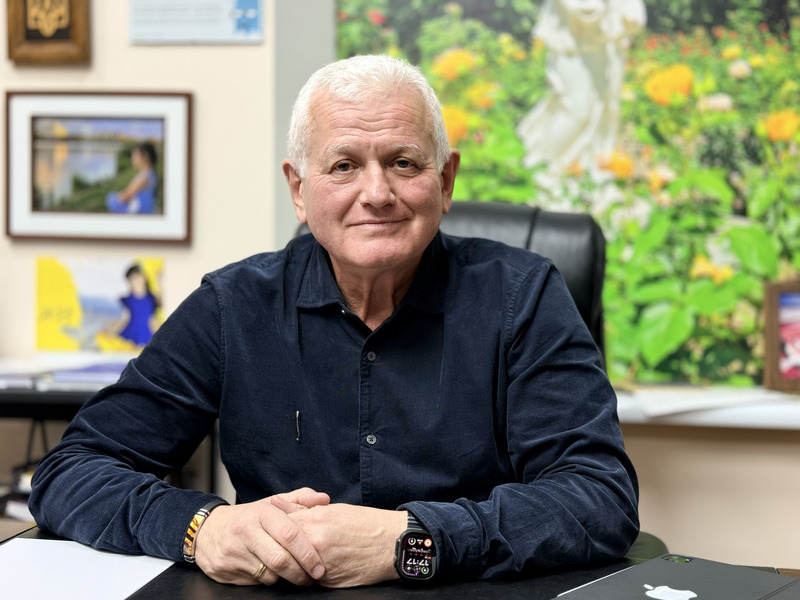
Oleksandr Spivakovsky. PHOTO provided by the interviewee
The full-scale invasion and the start of the temporary Russian occupation of Kherson were terrifying events. When Oleksandr Volodymyrovych learned of the threat of inspections and screening by the Russian military, he realized he had to leave for territory controlled by Ukraine. It was not an easy decision, as it meant completely restructuring the system.
“On April 17, we held a staff meeting, which was attended by 97 out of 111 people on the roster. Everyone voted unanimously in favor of relocating to Ivano-Frankivsk. Here, we were supported and provided not just with office space, but with an institutional partnership. The Vasyl Stefanyk Carpathian National University helped us set up a fully functional office, maintain the university’s autonomy and governance, and supported the academic community in settling into our new location,” the rector shares.
Everyone on the staff reacted to the news of the relocation in their own way. For Nataliia Voropai, an associate professor in the Department of Pedagogy and Psychology of Preschool and Elementary Education, it was painful to leave the walls of her beloved institution, which had become an integral part of her life. Yet at the same time, she knew there was no other option. The occupation of Kherson forced her to take a step that saved the university. “We preserved it as a Ukrainian educational institution, supported the students and faculty, and kept the academic community from falling apart,” says Natalia.
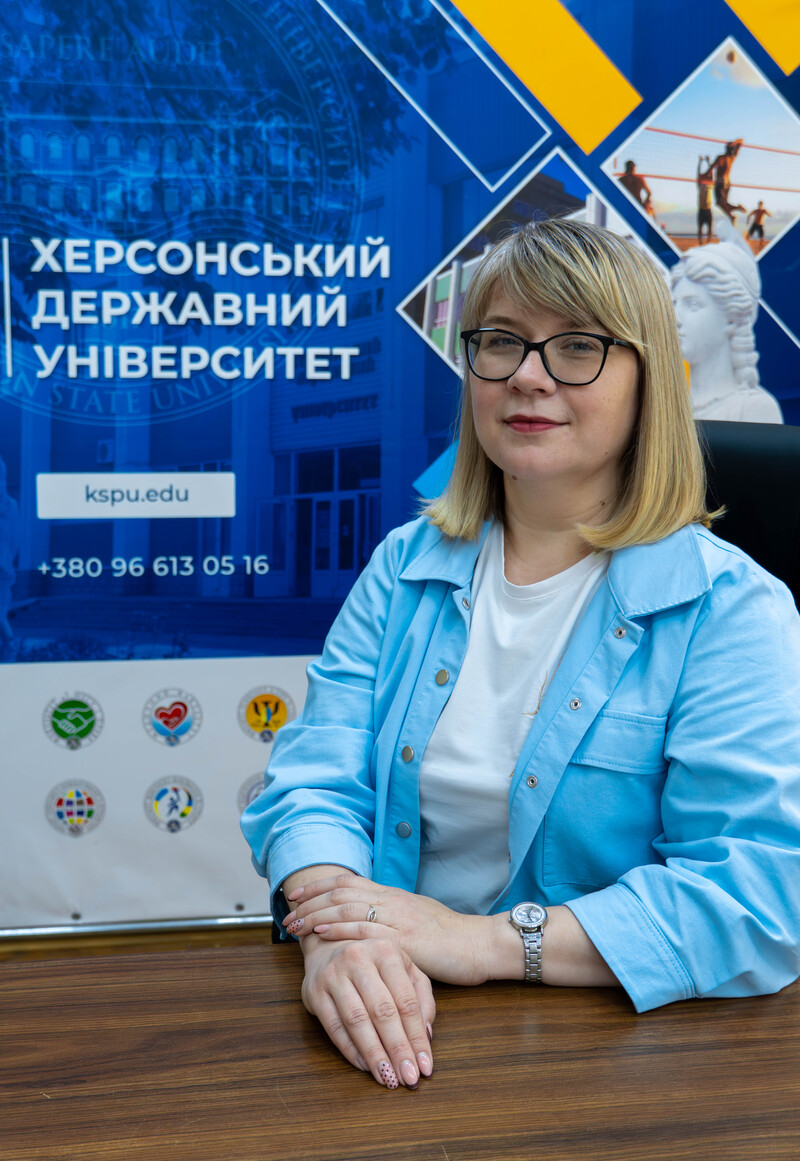
Natalia Voropai. PHOTO provided by the interviewee
Valeria Blakh, an associate professor in the Department of Pedagogy, Psychology, and Educational Management named after Prof. E. Petukhov, recalls feeling a whirlwind of emotions. Joy, because the university had escaped from the occupied city and continued its work in territory controlled by Ukraine. Anxiety—for her colleagues and students who were leaving in various ways, without “green” corridors, often risking their own lives. Anger—toward those who seized the university’s buildings and began positioning themselves as a “Russian university.”
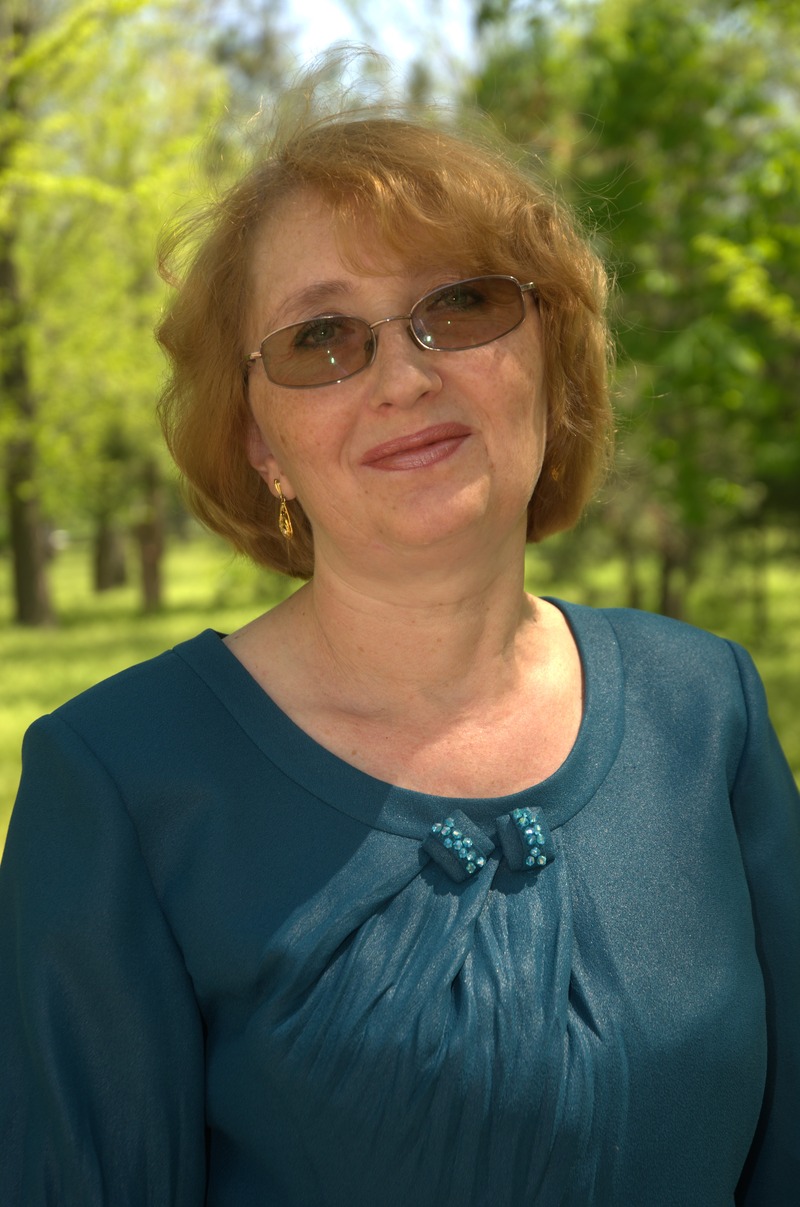
Valeria Blakh. PHOTO provided by the interviewee
The first stage of the relocation was like an emergency operation and involved three key tasks: preventing the educational process from coming to a halt, safeguarding the people and the administration, and preserving the digital and documentary infrastructure.
“The hardest part was leaving home without knowing when we’d be able to return. But back then, we had a clear understanding: we had to save the children, keep working, and be helpful wherever possible. Adapting to a new place took time and inner strength. In fact, I had to rebuild my daily life, my work routine, and my communication from scratch,” recalls Natalia Voropai.
Valeria Blakh was in Mykolaiv at the time of the full-scale invasion. Her husband, daughters, and grandchildren remained in Kherson. At that time, her youngest granddaughter was not even two months old.
“I didn’t think about the difficulties; I had to figure out how to survive in a city near the front lines. I did the work my superiors assigned me and did a little volunteer work—finding medicine for the people of Kherson. At first, it worked, but later it became increasingly difficult for volunteers to return. When I was given a laptop, my teaching improved: it became more organized and effective. “I taught classes to graduate students and tried to support my colleagues and students,” Valeria explains.
According to the faculty, the relocation was more than just a move. It was an act of resistance, a way of saying: we remain a Ukrainian university, even if we had to leave Kherson. In the end, the institution survived.
“We transported the documents in batches—only the most essential ones, the ones that defined the institution’s existence. The first vice rector took the charters, and the accounting department took the financial documents. We managed to salvage a significant portion after Kherson was liberated. We were, so to speak, lucky: during the so-called evacuation, Russian troops took computers and furniture, but they left the true treasures untouched—the gallery of rectors, the unique herbarium, the zoological and archaeological museums, and the archive containing documents dating back to 1947. “We managed to transport these rarities—which now symbolize the institution’s 108-year history—to a safe place and preserve them,” emphasizes Oleksandr Spivakovsky.
Today, attacks on the university in Kherson continue unabated—the Russian army is shelling the buildings with drones and artillery. The central building, the second dormitory, and the swimming pool were hit the hardest. The destruction has been documented: reports have been filed, and photo and video evidence, as well as official documents, have been collected.
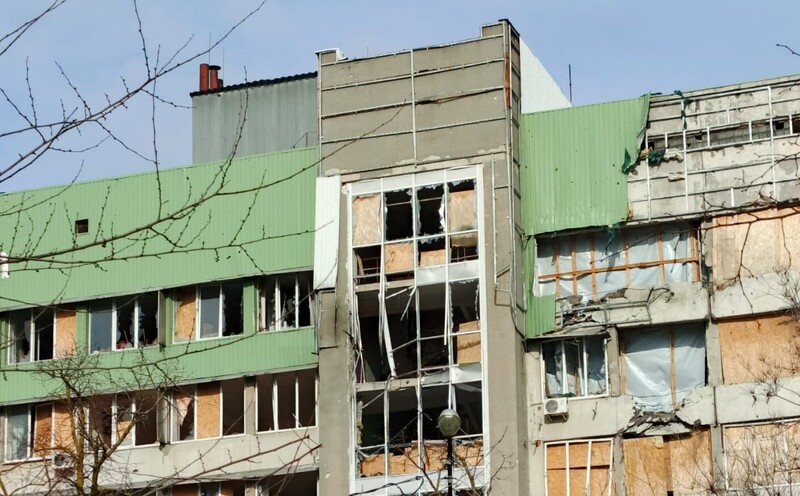
A Kherson State University building damaged by Russian shelling. PHOTO provided by sources
“They are deliberately targeting the institution, even though there is nothing there. Something is damaged every day. The damage is significant; some of the buildings require major repairs. But this is not just about material losses. The university is a space of memory for generations, a symbol of the city, and an environment for shaping professional identity. Its destruction is an attempt to eradicate our sense of self. But the university lives beyond its walls. “The most important thing for us is to protect people, their lives, and their health. We’ll be able to rebuild everything else,” says the rector.
Online Learning as the University’s New Core
While the classrooms of Kherson State University stand empty and partially destroyed, faculty and students continue to work. Despite being scattered across different regions of Ukraine and even abroad, the university maintains an appropriate level of educational services. In particular, the institution ranks among the top 50 universities in Ukraine according to the Scopus scientific ranking and is among the top five of 35 relocated universities in terms of the quality of distance learning.
“When the physical infrastructure was threatened, the digital platform effectively became the university. We didn’t just move online—we rebuilt our educational model,” notes Oleksandr Spivakovsky.
The transition to a distance learning format proved challenging, although the university’s staff had already gained some experience during the COVID-19 pandemic. But the full-scale war gave this educational model an entirely different meaning. Remote classes now mean working amid air raid alerts, unstable internet connections, and power outages. “Some of our students live on the left bank of the Kherson region, which is currently under temporary occupation, and they can only participate at times that are convenient and safe for them,” explains Oleksandr Volodymyrovych.
At the same time, the educational process at the university is not entirely remote. Each semester, students have one week of in-person classes in Ivano-Frankivsk. Students pursuing medical degrees also complete clinical rotations at hospitals in various cities across Ukraine, such as Ivano-Frankivsk and Kherson.
“Face-to-face interaction with faculty helps build trust, motivation, and professional interest. Students have the opportunity not only to ask questions but also to receive support and advice, and to feel that they are being listened to. Face-to-face interaction is especially important for training future teachers, psychologists, social workers, and healthcare professionals. After all, their professional work involves people: communication, empathy, and the ability to listen to and understand others. “It’s impossible to fully develop these skills through a screen alone,” says Natalia Voropai.
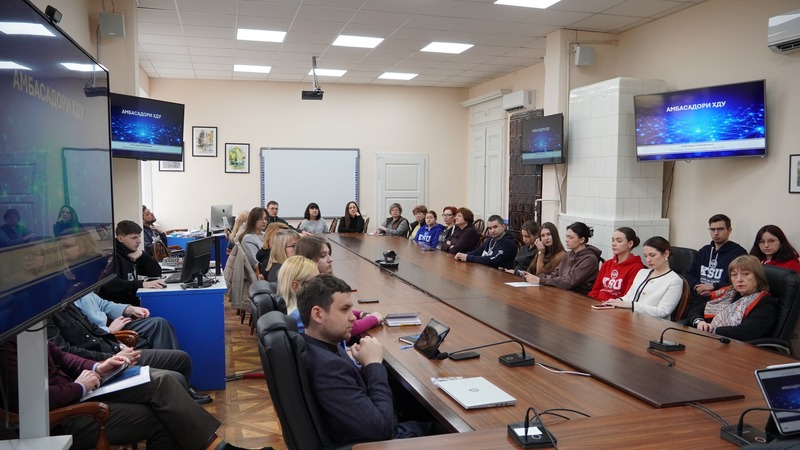
Kharkiv State University students during in-person classes. PHOTO provided by interviewees
In addition, Valeria Blakh points out that the second half of the day during “in-person” study weeks becomes a time for students to meet with their classmates, engage in “live” communication, and exchange thoughts and impressions. This allows them to feel like real students regardless of age or circumstances.
However, these successes come at a cost—primarily in terms of extracurricular activities. The arts require constant collaboration in a shared space, as it is precisely personal contact, the energy of the stage, and the sense of collective presence that shape a truly creative outcome. As a result, the university’s dance troupe has scattered to different cities, and it is currently impossible to resume its activities with the full ensemble. The symphony orchestra, which was the pride of the institution, is also under threat—maintaining it under current conditions is extremely difficult due to the lack of a rehearsal space where all musicians can gather.
Thus, the university has preserved its educational core and continues to develop its digital infrastructure, but the cultural life—which has always been an important part of its identity—has been forced to pause or seek new forms of existence.
The People Who Keep the System Running
Despite all the challenges, Kherson State University has retained 92% of its staff. Some employees work in Ivano-Frankivsk, some in Kherson, and others in various regions of Ukraine and abroad.
“When walls crumble, you see what the true foundation is. It is the people—our staff—who keep us going. Almost the entire staff has remained with the university. It is the students who keep us going, continuing their studies even as shelling and air raid sirens sound outside the windows. We are sustained by the belief that education is a form of resistance. A university isn’t just walls. It’s people. And our academic and scientific community is a team that never gives up,” says Oleksandr Spivakovsky.
The rector makes no secret of the fact that student enrollment has declined. Before the full-scale invasion, 3,850 students were enrolled at the university; today, there are 2,350. This is a significant drop caused by the war, migration, and security concerns. At the same time, the university has maintained its core academic programs and continues to attract students, even from abroad. Currently, 65% of students are from the Kherson region (both the right and left banks), while 35% are from other regions of Ukraine and abroad.
It is telling that a significant portion of applicants are from the Kherson region itself. Faculty members emphasize that this is not just a statistic, but a sign of trust. Residents of Kherson continue to choose their university, despite relocation and challenging learning conditions.
“We pay special attention to career guidance and support for students from temporarily occupied and frontline territories. Because it is important for us to preserve the university’s Kherson identity, even when we are temporarily operating outside our home city,” emphasizes Natalia Voropai.
As for the fields of study chosen, the most popular among the university’s applicants are currently psychology, IT, physical therapy, and rehabilitation. The faculty is confident that this is to be expected, as these fields best meet the country’s current needs. Society needs specialists who can help people overcome traumatic experiences, restore their health, adapt to new conditions, and work with digital technologies.
In contrast, demand for physics, mathematics, and chemistry programs is gradually declining. Valeria Blakh explains that the trend toward declining popularity of these majors is not solely due to the full-scale invasion. It has been observed for over a decade.
Natalia Voropai adds that teacher education programs remain a key priority for the university. Preschool, elementary, special, and secondary education form the foundation of Ukraine’s future. It is precisely teachers, educators, and inclusion specialists who, during the country’s reconstruction, are capable of working with children who have experienced various educational gaps and face psychological challenges. Therefore, the goal of the faculty is to show young people that a modern educator is not just someone standing at the blackboard. They are a mentor, a tutor, a facilitator, a creator of digital educational content, and a specialist who works with children, families, communities, and educational platforms.
The Students’ Perspective
Polina Yashna, a fifth-year student majoring in “Medicine,” says she is originally from the village of Chaplynka on the left bank of the Kherson region. In 2021, she chose to study at Kherson State University because she wanted to pursue her education in her home region and stay close to her family. But within a year, everything had changed dramatically.
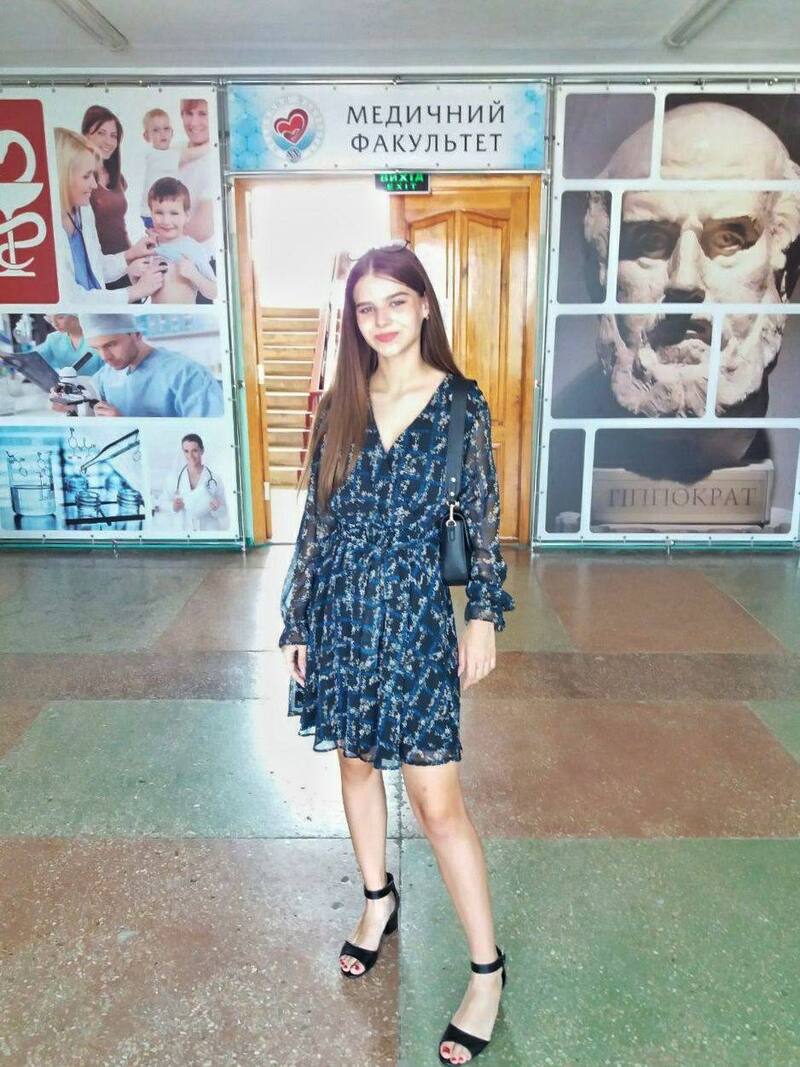
Polina Yashna. PHOTO provided by the interviewee
“I was lucky to spend my first semester at the university in-person. I was able to attend classes every day, make new friends, and work on team projects. Getting involved in university events and celebrations—and helping to organize them—was especially valuable to me. This gave me the chance to prove myself, showcase my abilities, and realize that university is a place where you can not only gain knowledge but also bring ideas to life, take the initiative, and develop leadership skills,” Polina recalls.
The student admits that she misses that atmosphere of university life. After all, most classes are now held remotely via Zoom, KSU-Online, and KSU24. This format requires a high level of self-discipline. At the same time, she describes the in-person study weeks as an intensive period filled with training sessions, workshops, hands-on exercises, field trips, and lively interactions with students and faculty. This is what helps to partially compensate for the remote format.
“Of course, studying during wartime has its challenges, but it has taught us to be more flexible, disciplined, and to appreciate every moment and opportunity. We continue to gain knowledge, support one another, and move confidently toward our professional goals,” Polina shares.
It’s worth noting that she combines her studies with work at a hospital. According to her, this allows her to observe real clinical cases and develop professional skills in a real-world medical setting.
Anna Stadnik, a second-year student majoring in “Physical Therapy and Rehabilitation,” also speaks about the importance of applying theory to practice. To this end, she notes, Kherson State University maintains extensive partnerships with medical institutions, rehabilitation centers, and pharmacies not only in Kherson and Ivano-Frankivsk but throughout Ukraine.
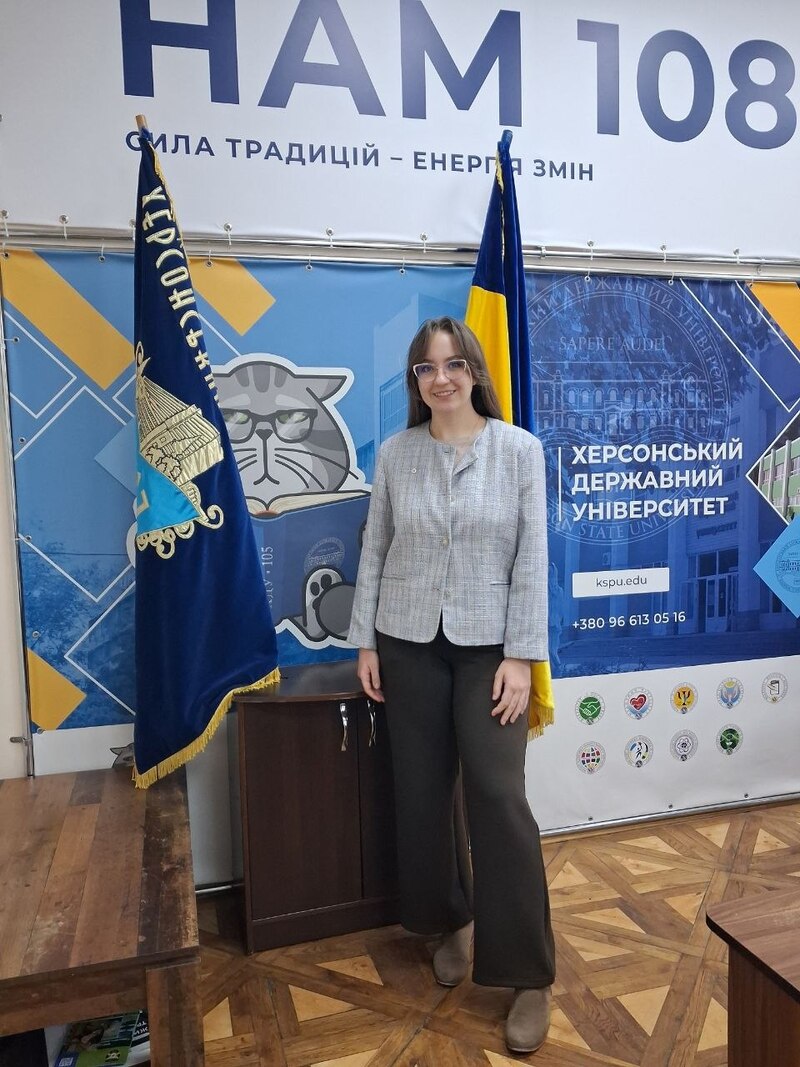
Anna Stadnik. PHOTO provided by the interviewee
“We visit various professional institutions and participate in training sessions. This helps us better understand our future profession and interact with faculty and colleagues in person. In addition, we complete clinical internships at healthcare facilities, where we acquire high-level clinical skills. As a result, the remote format does not diminish the quality of our training; it merely changes the approach to organizing the learning process,” the student emphasizes.
Anna is originally from Kherson, but she enrolled in the university as an internally displaced person. “I had no concerns about enrolling in a university that was forced to relocate due to the full-scale invasion and temporary Russian occupation. I was reassured by the fact that I had friends who were already studying here, and I could see that the educational process was continuing steadily. And the students’ performance and achievements convincingly demonstrated that it’s possible to receive a high-quality education here and remain competitive,” says the student.
Ilya Muzyka, a fourth-year student majoring in Geography, is now awaiting the issuance of his bachelor’s degree. He makes no secret of the fact that he finds it hard to believe that four years have already passed. “Each of us felt things differently. There was a lot of enthusiasm in our first year. There were about 12 students in our group—geographers and ecologists. We created a group chat on Telegram and quickly became friends. Over these four years, I’ve only met one person in person, when we were both living in Kherson. The rest are scattered across Ukraine or abroad, and unfortunately, they won’t even be able to come to graduation. “I really missed that in-person interaction with each other,” the young man says.
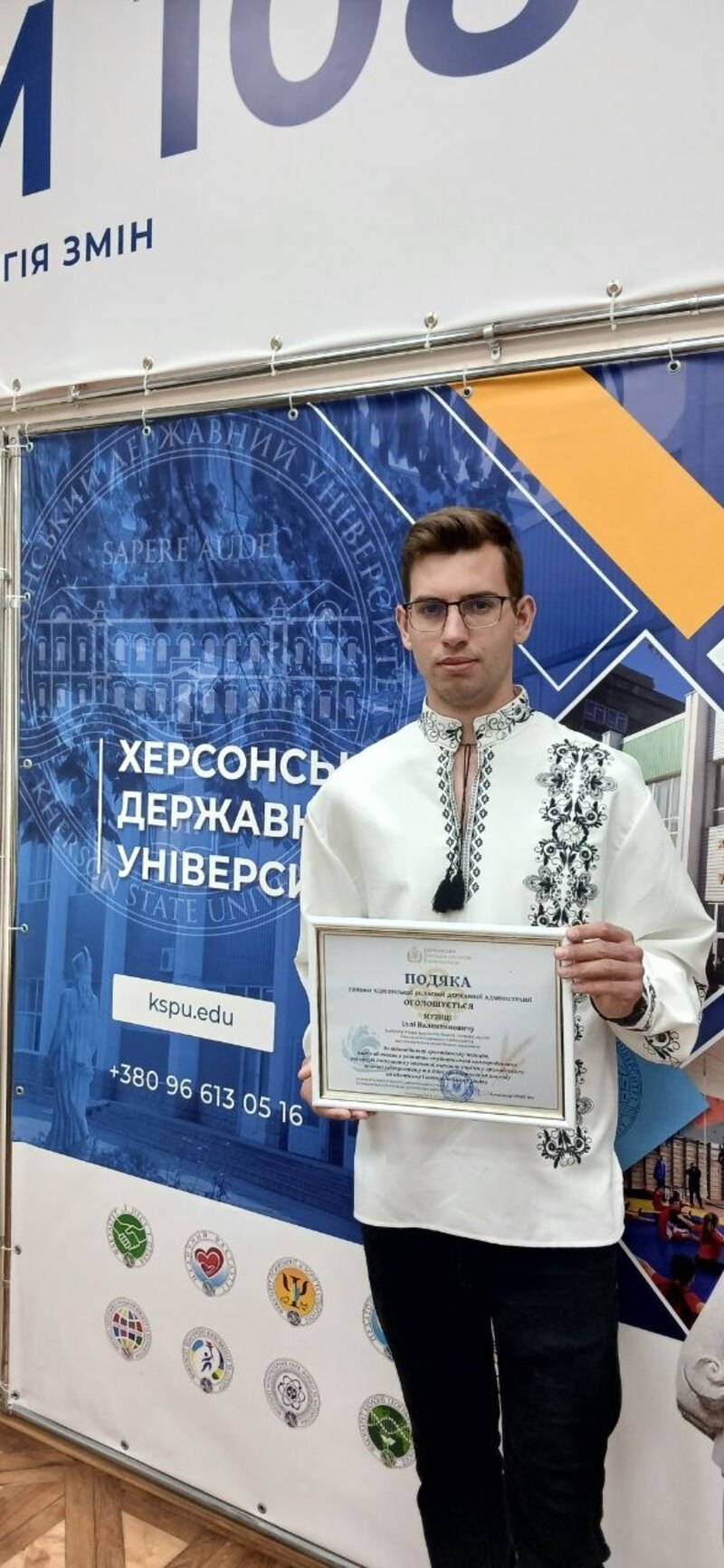
Ilya Muzyka. PHOTO provided by the interviewee
It’s worth noting that Ilya enrolled in university during the temporary Russian occupation of Kherson. It was under these conditions that he began his studies, and after the de-occupation, he continued them in a frontline region, where he remained until September 2024. “We had no intention of leaving the occupied territory to live in another region or abroad—we were waiting for liberation. So when the time came to choose a university in the summer of 2022, I didn’t even consider any options other than universities in Kherson. I had already decided on my major—geography teacher. And neither Kharkiv National Technical University nor the Agricultural University offered such a program,” the student explains.
Ilya adds that during his time at university, his only regret is the lack of full-fledged in-person fieldwork—at weather stations, in caves, mountains, or forests—as was the case before the full-scale war. The situation improved somewhat when the university began holding on-campus weeks. He describes it this way: “Our department had three such weeks, and 12–14 students would come to Ivano-Frankivsk. We went on field expeditions, attended in-person lectures, and participated in workshops. It was incredibly valuable. Of course, I would like everyone to have the opportunity to gain practical skills in their respective fields of study. But the conditions under which both students and faculty currently find themselves, unfortunately, make this impossible.”
Thus, four years after its relocation, Kharkiv State University has maintained a full-fledged educational process: lectures and seminars are held, research studies and publications are produced, and conferences are organized. The university continues to enroll students. Last year alone, 870 students were admitted to three levels of study: bachelor’s, master’s, and doctoral programs. At the same time, international ties are actively developing, opening up new opportunities for Kherson and Ukraine. Yet despite all the achievements “in the new location,” faculty and students have not lost hope and dream of returning to the walls of their home institution.
“In our minds, we’re already in a future peaceful Kherson: in our familiar classrooms, where students’ voices ring out once more, where life is bustling and youth reigns,” shares Valeria Blakh.
Her words echo the sentiment of Oleksandr Spivakovsky, who emphasizes: “We are gradually settling in, preserving our community, and believing that when the right conditions arise, we will be able to return to our hometown. This will only be possible with security guarantees. However, this will not simply be a matter of rebuilding what was destroyed—it is about creating a modern, technologically advanced, and energy-independent university environment. Today, Kherson State University is alive and well. And it will return home—even stronger.”
This report was made possible by the Fight for Facts project, implemented with financial support from the German Federal Ministry for Economic Cooperation and Development.
Яніна Надточа