09 August 2026, 16:07
Researchers have shown how the occupiers destroyed the burial mounds in the Kherson region
Ця стаття також доступна українською

PHOTO: Screenshot from a video
Ukrainian researchers are studying the impact of Russian aggression on the burial mounds in the Kherson region, which were used as military positions during the occupation. At many archaeological sites, the occupiers built dugouts, caponiers, trenches, and firing positions, which led to the destruction not only of cultural heritage but also of the unique steppe ecosystem.
This was reported by Suspilne Kherson, citing participants in a joint expedition organized by the “Askania-Nova” Biosphere Reserve, the M. G. Kholodny Institute of Botany of the National Academy of Sciences of Ukraine, the M. M. Hryshko National Botanical Garden of the National Academy of Sciences of Ukraine, Kherson State University, and the Ukrainian Nature Conservation Group. Throughout the spring and summer of 2026, they conducted six field expeditions in the region’s liberated territory.
So far, the scientists have surveyed 13 of the 31 burial mounds. According to them, at most of the sites, they documented dugouts, shell craters, circular trenches, and large caponiers for military equipment. At some burial mounds, heavy equipment has damaged the tops so severely that the damage is clearly visible even in satellite images.
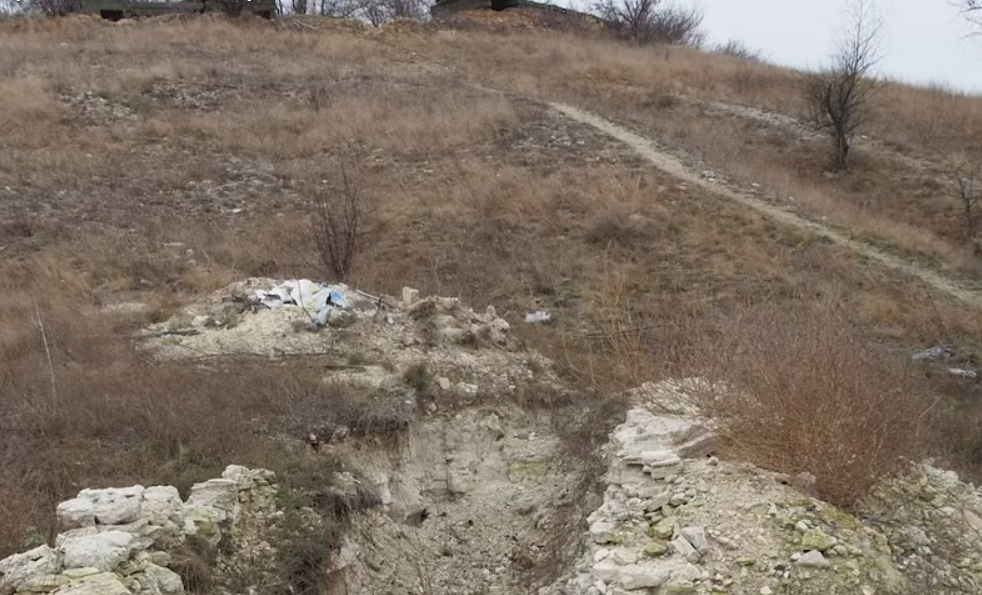
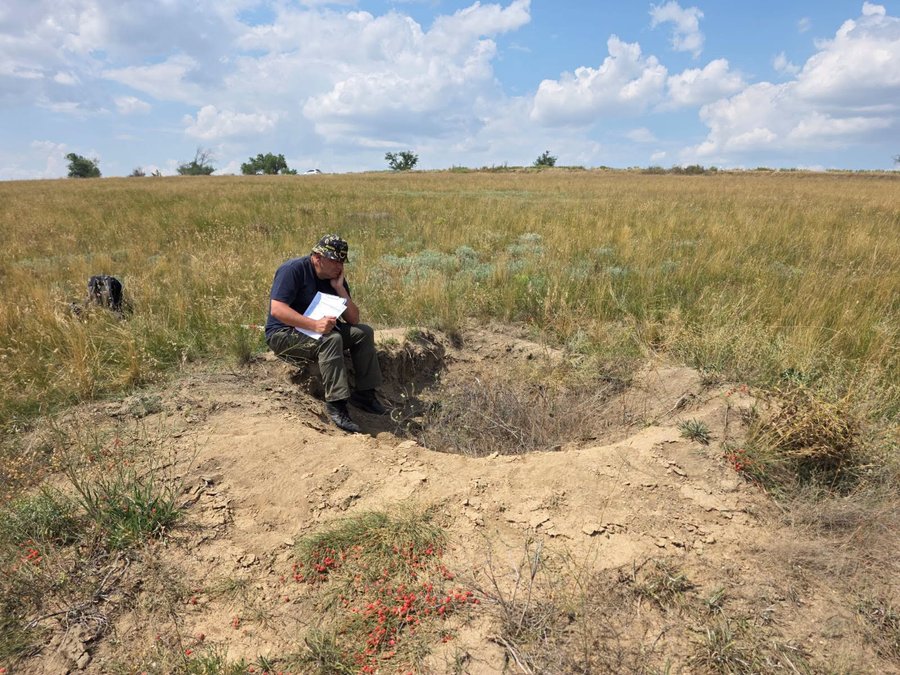
At the same time, researchers are studying the war’s impact on steppe ecosystems. This year, they examined more than 20 shell craters to assess changes in soil, levels of chemical contamination, and the rate of vegetation recovery. According to the researchers, small craters can be overgrown with natural vegetation within a few years, whereas dugouts and caponiers show virtually no recovery without restoration.
Another area of research has been the willow forest that formed at the bottom of the Kakhovka Reservoir after the Russians blew up the Kakhovka Hydroelectric Power Plant. According to scientists’ estimates, this is currently the largest floodplain forest of its age in Europe, covering an area of about 65,000 hectares, and it continues to grow actively.
Earlier, Intent reported that the Odesa, Mykolaiv, and Kherson regions were among the top ten regionswhere cultural heritage sites suffered the most damage due to Russia’s aggression.
As of January 2025, 1,096 cultural heritage sites have been damaged.
Of these, 121 sites are of national significance, 892 are of local significance, and 83 were recently discovered.
Specifically, 314 sites were damaged in the Kharkiv region, 150in the Kherson region, 125 in the Donetsk region,116 in the Odesa region, 69 in the Chernihiv region, 69 in the Kyiv region and the city of Kyiv, 49 in the Zaporizhzhia region,45 in the Mykolaiv region, 39 in the Dnipropetrovsk region, 36 in the Lviv region, Luhansk – 31, Sumy – 27, Khmelnytskyi – 10, Poltava – 6, Vinnytsia – 4, Zhytomyr – 4, Kirovohrad – 1, and Cherkasy – 1.