27 May 2026, 12:15
Historians restore lost symbol of Akkerman fortress
Ця стаття також доступна українською

PHOTO: Andriy Krasnozhon/Facebook
A unique building slab from 1452, which once decorated the Dozorna Tower but was stolen, was recreated in the Akkerman fortress. The inscription in Greek, ancient coats of arms, and historical context reveal little-known pages of the Black Sea region's preparation for Ottoman expansion.
Rector of the South Ukrainian National Pedagogical University named after K.D. Ushynsky, Andriy Krasnozhon, reported on the reproduction of a historic building slab from 1452 from the Akkerman fortress.
According to him, this is not a new archaeological find, but a reconstructed copy of the original slab that was once located on the Dozorna Tower. The real artifact was stolen by local thieves, so the monument had to be restored according to a historical drawing from 1848.
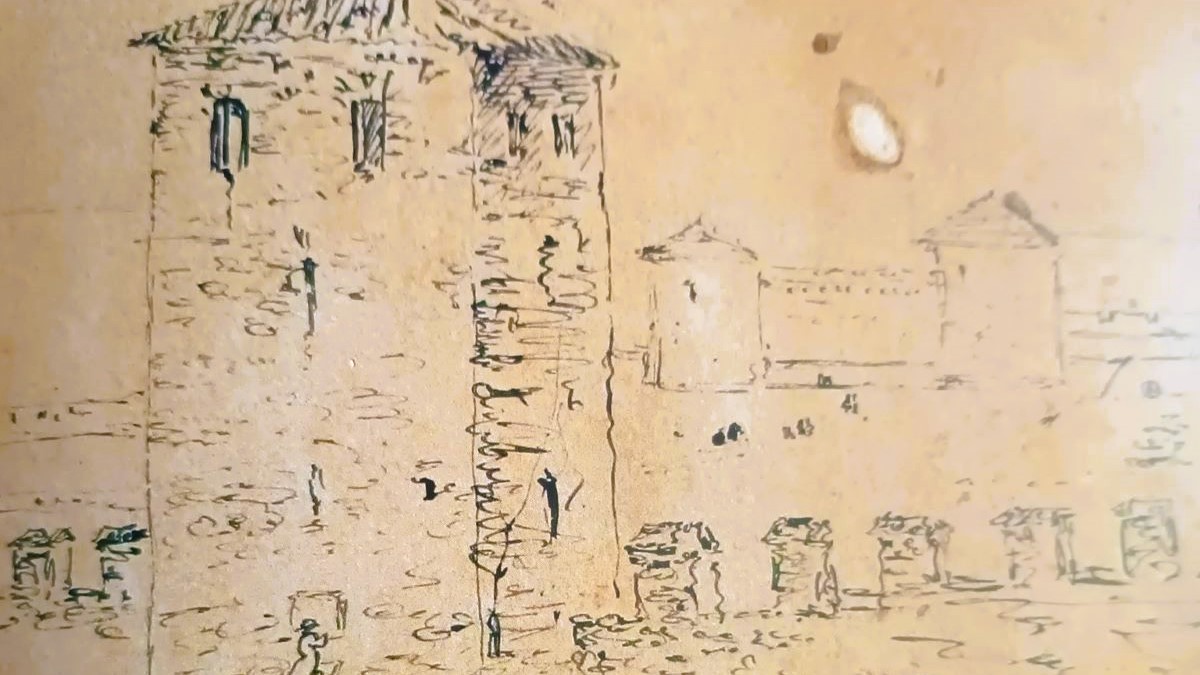 PHOTO: Andriy Krasnozhen/Facebook
An inscription in Greek has been preserved on the slab:"The construction of this wall is completed with God's help. May your blessing come down, O Jesus Christ, on the builder. 6960." This year corresponds to 1452 according to modern chronology.
The researchers' special attention was drawn to the coats of arms on the plate. In the upper left corner is the symbol of Mr. Stanczul, the ruler of the city, who two years later financed the construction of another tower of the fortress. On the right, according to Andrii Krasnazhon, elements of the coat of arms of the Principality of Moldova are probably depicted - the head of a rook.
The historian explained that the use of Greek is not accidental: at that time it was the language of the local magistrate. At the same time, the city was under the protectorate of Moldova, which explains the coexistence of two coats of arms on the same plate.
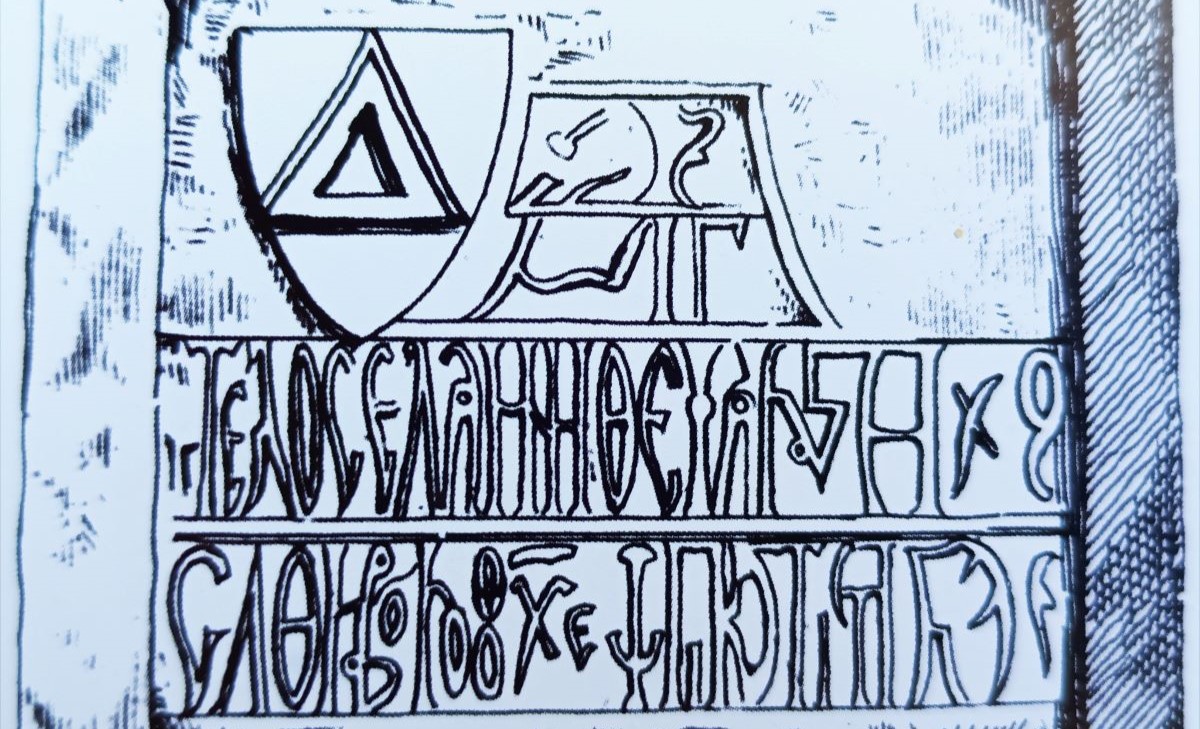 PHOTO: Andrii Krasnozhon/Facebook
According to the researcher, the construction of the tower is directly related to the geopolitical events of the fifteenth century. In 1452, the Ottoman Empire was already actively preparing to storm Constantinople by building the Rumeli-Hisar fortress on the European shore of the Bosphorus, a strategic foothold for the upcoming siege.
It was the atmosphere of fear of the Ottoman offensive, which the historian calls "Turkish horror," that forced the local authorities to strengthen the defense of Bilhorod on the Dniester. According to the historian, Stanchul predicted that after Constantinople, this region would also be under threat-and, as history has shown, his fears were not unfounded.
In the future, the recreated slab is planned to be returned to its historical place in the Dozorna Tower.
Bilhorod-Dnistrovskyi (in different periods Tira, Bilhorod, Moncastro, Ackerman, Cetatia Alba) is one of the oldest cities in Ukraine with a long history of maritime trade. Since ancient times, Tira has been an important trading partner of the Hellenistic world.
In May, Krasnozhon accused the administration of the Akkerman fortress of violations during the installation of video surveillance cameras on the territory of the monument.