15 May 2026, 10:59
Former commander of Sevastopol naval base accused of desertion and treason
Ця стаття також доступна українською

PHOTO: vppdr.gp.gov.ua
The former division commander of the Sevastopol Naval Base will stand trial on suspicion of treason and desertion after siding with Russia during the occupation of Crimea. According to the investigation, the officer refused to continue serving in the Armed Forces and continued to build a career in the troops of the aggressor country.
The press service of the Specialized Defense Prosecutor's Office of the Southern Region reported that an indictment against the former commander of the military unit A4424, the 18th division of supply vessels of the Sevastopol Naval Base, was submitted to the court. He is accused of high treason and desertion.
According to the investigation, in March 2014, during the occupation of Crimea, the officer publicly announced to the personnel his refusal to continue serving in the Armed Forces of Ukraine and expressed his intention to join the Russian army.
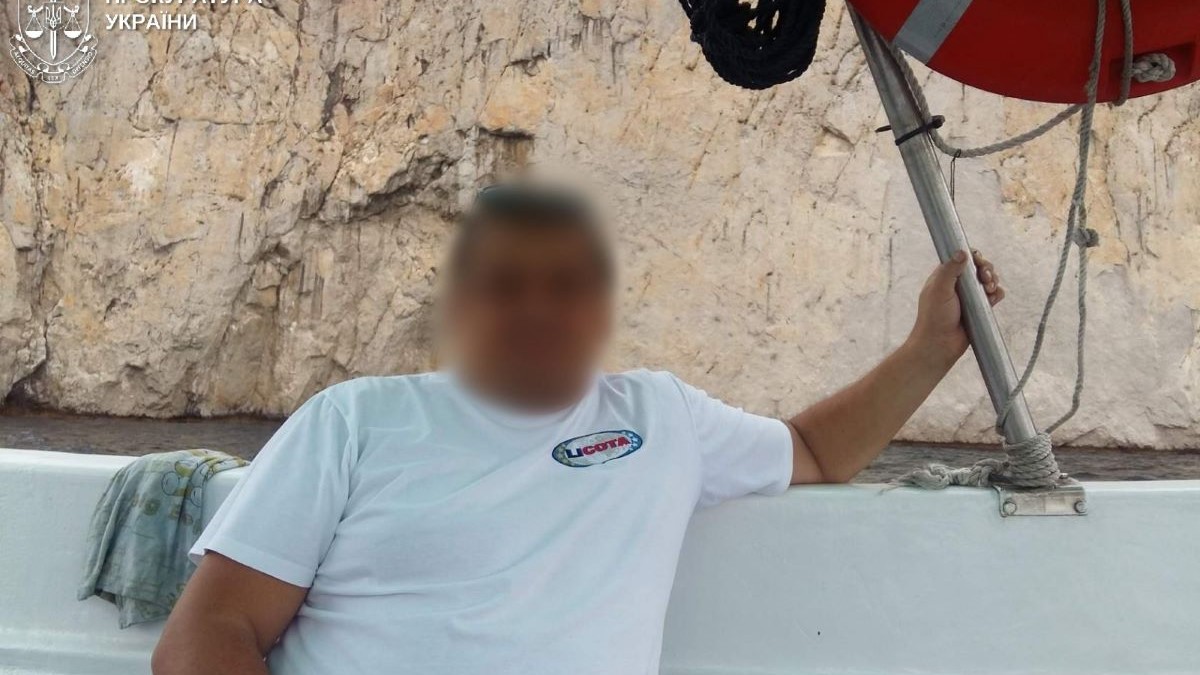 PHOTO: vppdr.gp.gov.ua
Investigators found that the 48-year-old captain of the 2nd rank did not arrive at the new location of the unit on the mainland of Ukraine. After that, he stayed in the occupied Crimea and joined the Russian armed forces.
Later, the accused held various positions in the structure of the Russian army, in particular, he worked as the head of the search and rescue service in the military unit of the Russian Federation No. 99608.
Under the articles charged, the man faces up to 15 years in prison with confiscation of property. The prosecutor's office emphasized that the work to expose those involved in crimes against the national security of Ukraine continues regardless of the time that has passed since the occupation of Crimea.
Also, in late April, the court found two so-called "prosecutors" from occupied Crimea guilty in absentia of treason. They were sentenced to 13 and 14 years in prison with confiscation of property. According to the investigation, after the occupation of the peninsula, the convicts remained in Crimea and began working in illegally created "prosecutor's offices".