01 July 2026, 10:30
The occupiers burned nearly 2,000 hectares of the Askania-Nova Nature Reserve
Ця стаття також доступна українською

PHOTO: "Askania-Nova" Biosphere Reserve
Two large-scale fires broke out in the occupied F. E. Falz-Fein “Askania-Nova” Biosphere Reserve, destroying nearly 2,000 hectares of unique protected steppe. The fire engulfed areas where plants listed in Ukraine’s Red and Green Books grow.
This was reported by the reserve’s administration.
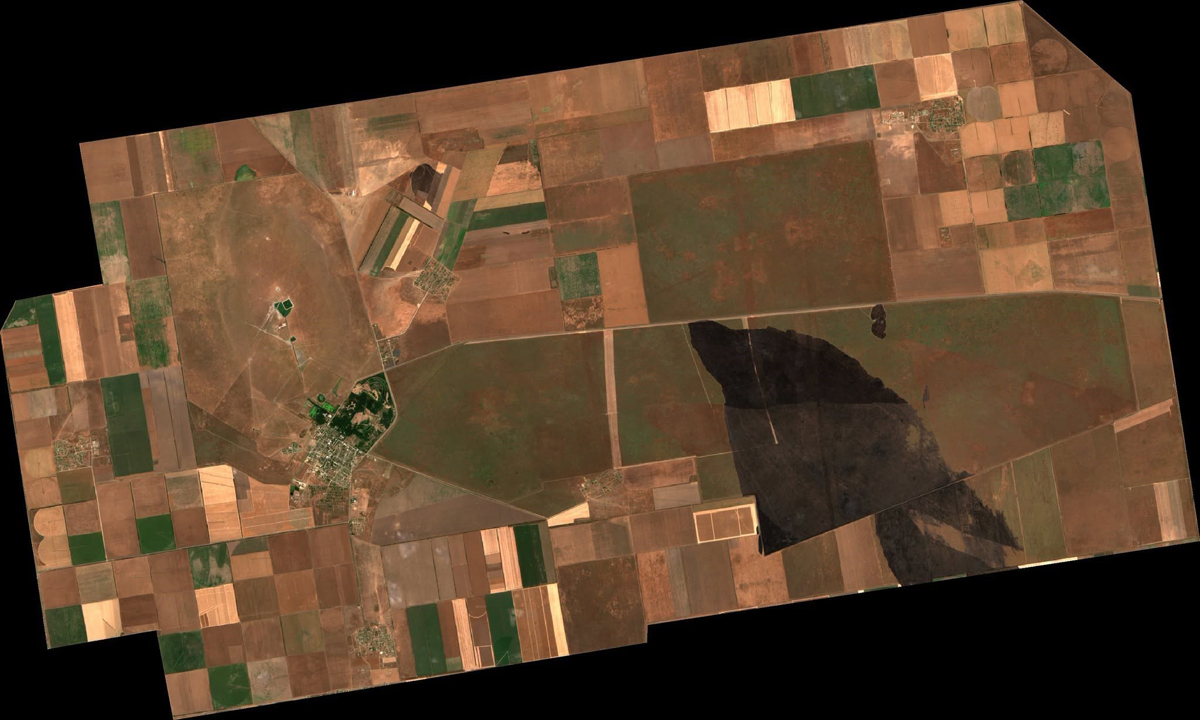
According to an analysis of Sentinel-2 satellite images from June 24 and 29, 2026, the area burned in the “Pivdennyi” protected zone totals 1,928 hectares. In addition, the fire that broke out on June 29 spread to agricultural land in the buffer zone, where another 566.6 hectares were burned.
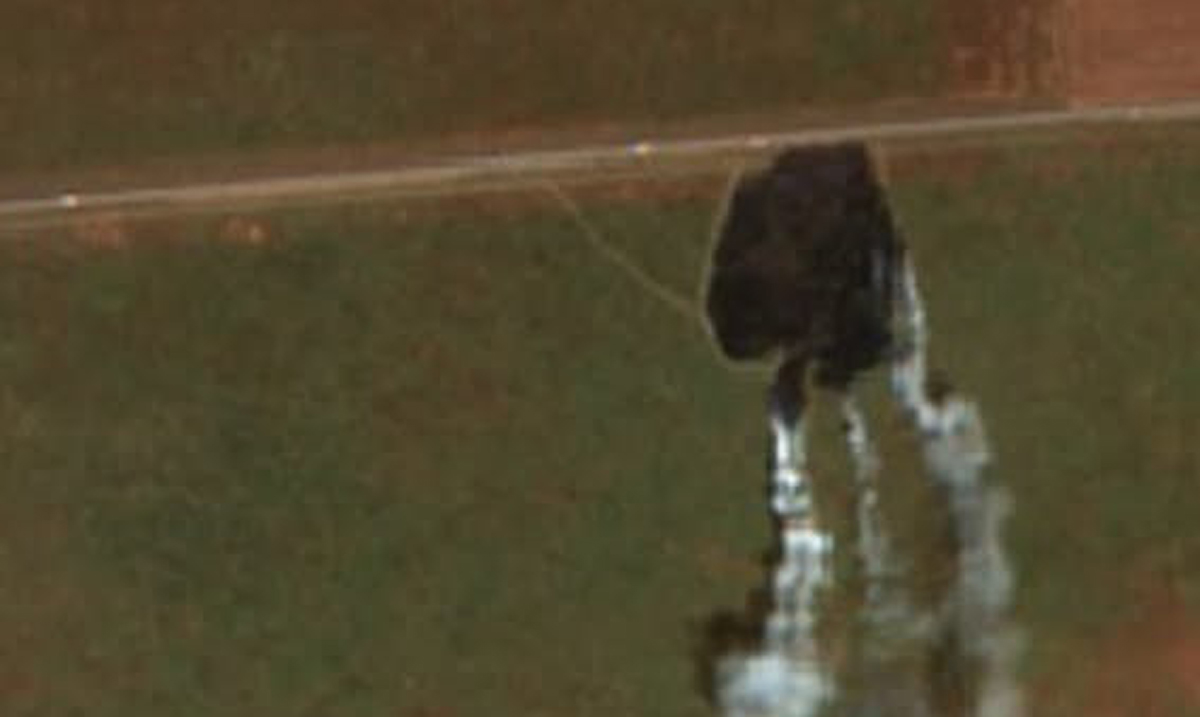
Ten sections of the reserve’s territory were completely destroyed by the fire, and several other sections sustained partial damage.
Reserve officials noted that the fires destroyed virgin steppe habitats with plant communities listed in Ukraine’s Red Book. In particular, the habitats of Ukrainian feather grass, hairy feather grass, and Lessing’s feather grass—all listed in Ukraine’s Red Book —were affected.
Populations of other rare plants, including Taliyev’s cornflower, Henning’s astragalus, and Regel’s onion, were also in the fire zone.
The reserve’s administration emphasized that the information about the fires is corroborated by the results of OSINT analysis. According to reports from the occupying forces’ media, the steppe fire on June 29 allegedly occurred after a drone was shot down.
At the same time, the reserve believes that the large-scale fires were caused by the deployment of military equipment and personnel of the Russian occupation forces directly on the territory of and near the nature reserve.
Earlier, the “Askania-Nova” Nature Reserve warned of the threat of animal deaths due to a lack of feed for ungulates following the drought of 2025. Experts warned that without additional feed, a mass die-off of animals could occur this winter.
Last year, in June, the Budzhak Town Council, the F.E. Falz-Fein“Askania-Nova” Biosphere Reserve, and the non-governmental organization Rewilding Ukraine signed a memorandum of trilateral cooperation. The document provides for the creation of the Center for the Restoration of Steppe Biodiversity, which will serve as a powerful hub for the conservation and restoration of rare animals, birds, reptiles, and steppe ecosystems in southern Ukraine.