31 August 2026, 17:10
Doctors Are Reluctant to Treat Seriously Ill Patients: An Anesthesiologist Explains Why
Ця стаття також доступна українською

PHOTO: Collage by Intent
In Ukraine, neither doctors nor patients are protected due to the inadequacies of the system of medical liability.
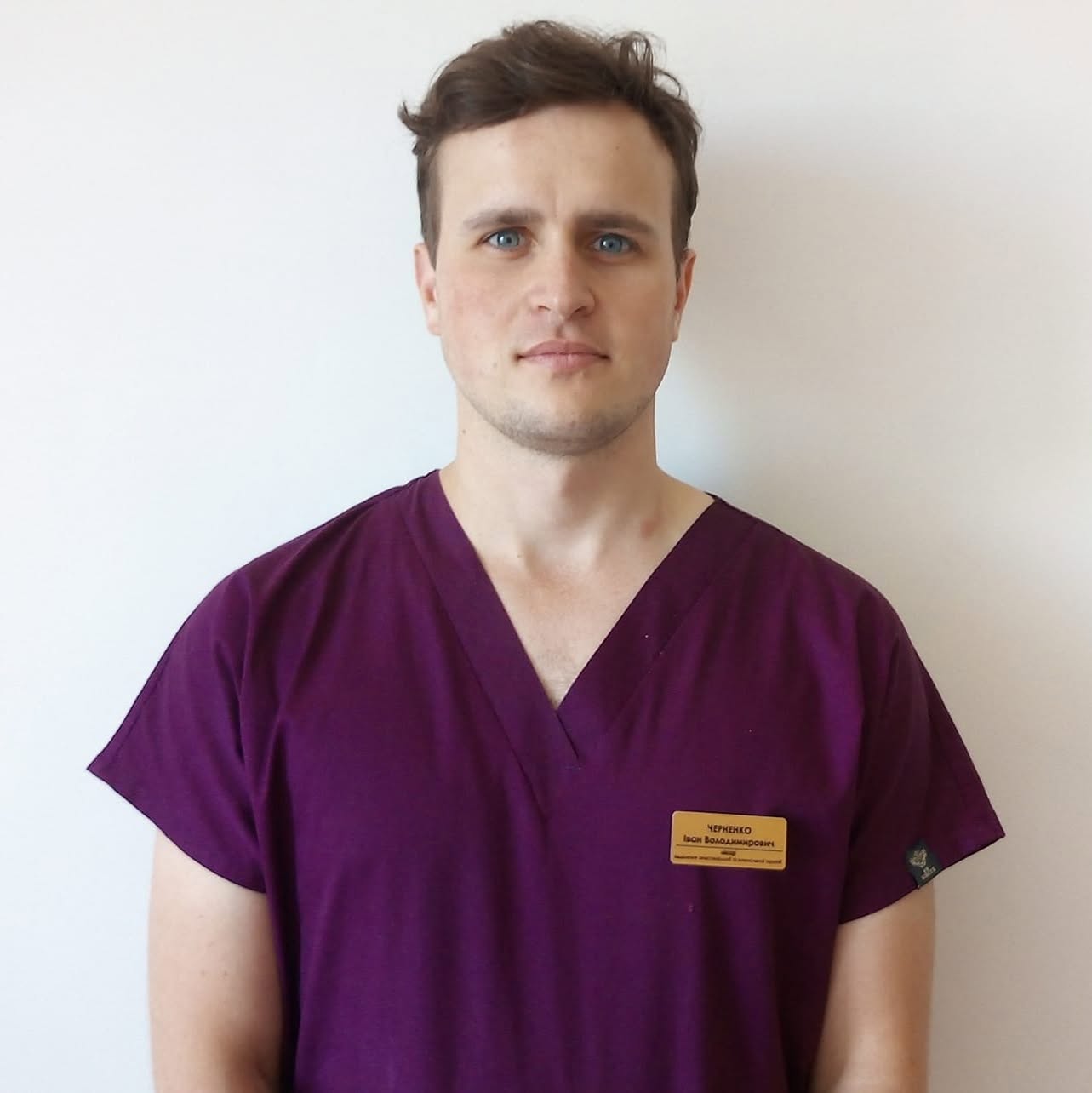
Ivan Chernenko, an anesthesiologist from the Odesa region who works at the Rozdilna City Hospital, stated this in an interview with JustTalk
According to Chernenko, the key problem lies in the lack of a clear distinction between medical error and negligence. In his view, negligence is a gross failure by a doctor to fulfill their duties, whereas a medical error can occur even when a doctor performs their duties properly—for example, when a doctor chooses one of several possible treatment methods, but that method turns out to be ineffective.
“Here, a doctor has no right to make a mistake,” the physician noted, emphasizing that in other countries, errors do not necessarily lead to criminal punishment. Instead, measures such as additional training, temporary suspension from practice, or insurance payments to the patient or their family may be applied.
Chernenko also drew attention to the issue of medical standards. According to him, Ukraine should have a comprehensive set of protocols for various diseases, but in reality, such a system does not exist. This raises the question of exactly which standards experts use to evaluate a doctor’s actions.
Using international guidelines is also not always straightforward, as they are designed assuming the availability of specific medications, equipment, and treatment methods. According to the doctor, Ukrainian hospitals are not always physically capable of fully implementing such recommendations.
Separately, the doctor spoke about a phenomenon he calls “medical football.” Due to the risk of criminal prosecution, doctors may avoid treating the most critically ill patients, especially if the chances of a positive outcome are slim.
Chernenko claims that this practice existed even at the beginning of his career: rather than taking on the risk, doctors could effectively refuse to treat a critically ill patient, citing the patient’s condition.
The doctor also cited situations where a physician works under conditions of a shortage of staff, equipment, or necessary medications. Formally, he can inform management that it is impossible to perform his duties safely; however, according to Chernenko, in practice this could jeopardize his job.
Chernenko identified the quality of forensic medical examinations as another problem. He asserts that some reports fail to specify the particular standard that the doctor allegedly violated, and the documents themselves may contain contradictions.
In his view, such cases should be evaluated by a separate collegial body comprising practicing physicians and representatives of the legal community. Such a mechanism would allow some cases to be screened out before they even reach court.
Chernenko also believes that when evaluating a doctor’s actions, it is necessary to take the context into account: workload, staffing levels, availability of equipment and medications, and working conditions. In his view, errors do not occur in a vacuum, and therefore evaluating medical documentation alone is insufficient.
Separately, the doctor criticized the way law enforcement agencies report on criminal cases against medical professionals. He believes that such reports often create the impression of proven guilt, even though the final decision must be made by a court.
According to him, even if the doctor’s name is not mentioned, the individual can often be easily identified based on a combination of details—such as age, gender, place of employment, and the name of the hospital. This, in his view, can cause reputational damage even before the conclusion of the legal proceedings.
Chernenko concluded that the current system effectively leaves both doctors and patients unprotected. He advocates for medical self-governance, malpractice insurance, and the creation of an independent advisory body that could evaluate complex medical cases before they reach court.
Ivan Chernenko is a Ukrainian anesthesiologist from the Odesa region (originally from Artsyz) who writes candid books about the healthcare system and the daily lives of doctors.
The author’s books:
- "Laughter at the End of the Tunnel: Notes of a Ukrainian Anesthesiologist"—a debut book about entering the profession, medical routine, systemic problems, medical errors, and humanity in hospitals.
- "Brief Moments of Necessity" — a continuation of stories about the realities of working in a regional hospital, where, amid bureaucratic red tape and exhaustion, critical moments arise that require quick and correct decisions