Меню
Соціальні мережі
Розділи
Jan. 12, 2026, 12:56 p.m.
Animals of Askania-Nova Nature Reserve are at risk of death due to lack of food
This article also available in English33

PHOTO:
The Askania Nova Nature Reserve is concerned about the lack of fodder for ungulates after the dry year of 2025. Experts warn that without additional feeding, a massive death of animals is possible this winter.
This was announced by Viktor Havrylenko, head of the Wildlife Diversity Conservation Laboratory .
According to him, the meteorological "swings" of this winter are a natural phenomenon, but the consequences of the dry year of 2025 and limited feed supplies pose serious risks to the herd.
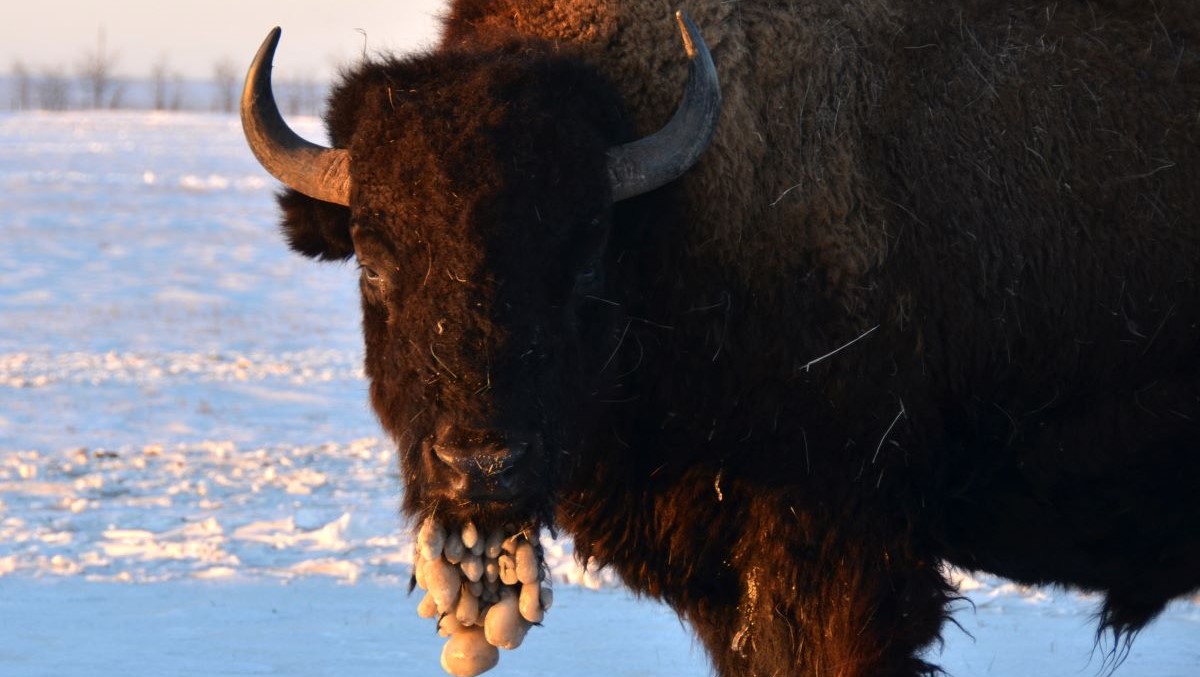 PHOTO: Askania-Nova Biosphere Reserve
Due to the lack of sufficient grass bedding and the limited amount of hay and concentrates that were harvested for the winter, the ungulates completely ate last year's dry grass. Satellite images show significant "failures" of the grass over large areas. The rains in late November only partially restored the grass, but it is rapidly disappearing under the consumption of saigas, bison, deer and white-fronted geese.
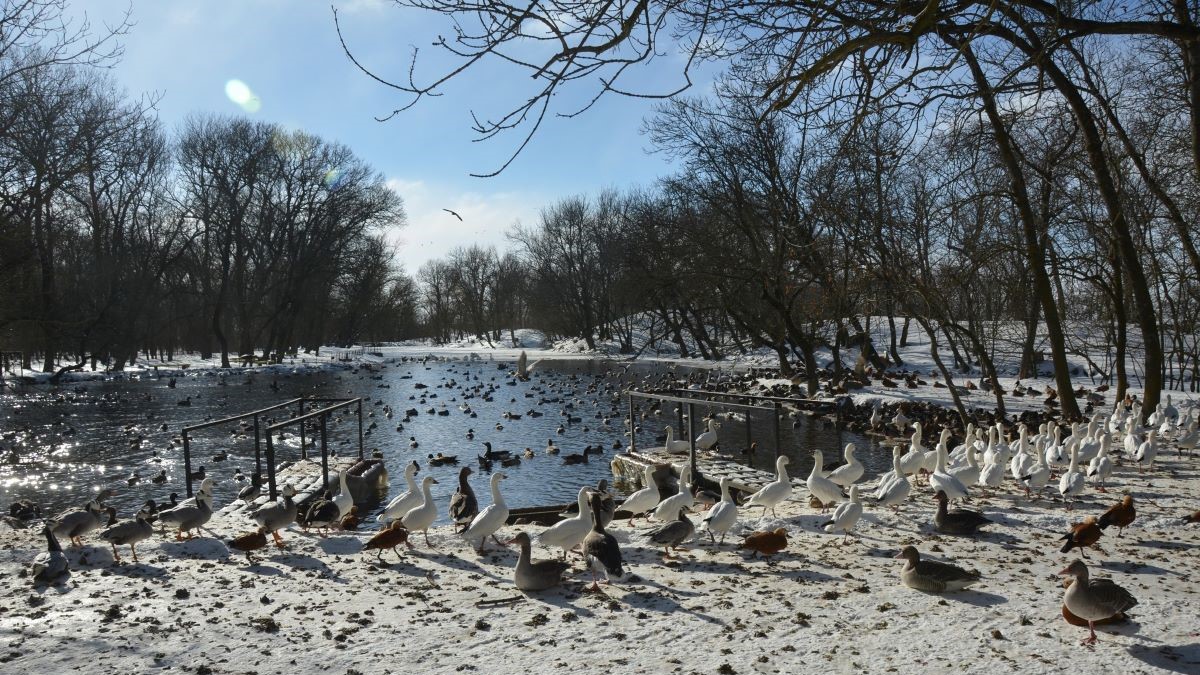 PHOTO: Askania-Nova Biosphere Reserve
According to Havrylenko, the occupation administration's attemptstocut the grass in the Northern and Southern protected areas have provided only a minimal supply of fodder, which is projected to last only until the end of January 2026. Due to the widespread drought throughout the southern Kherson and Zaporizhzhia regions and in the northern regions of Crimea, assistance from neighboring farms is virtually impossible.
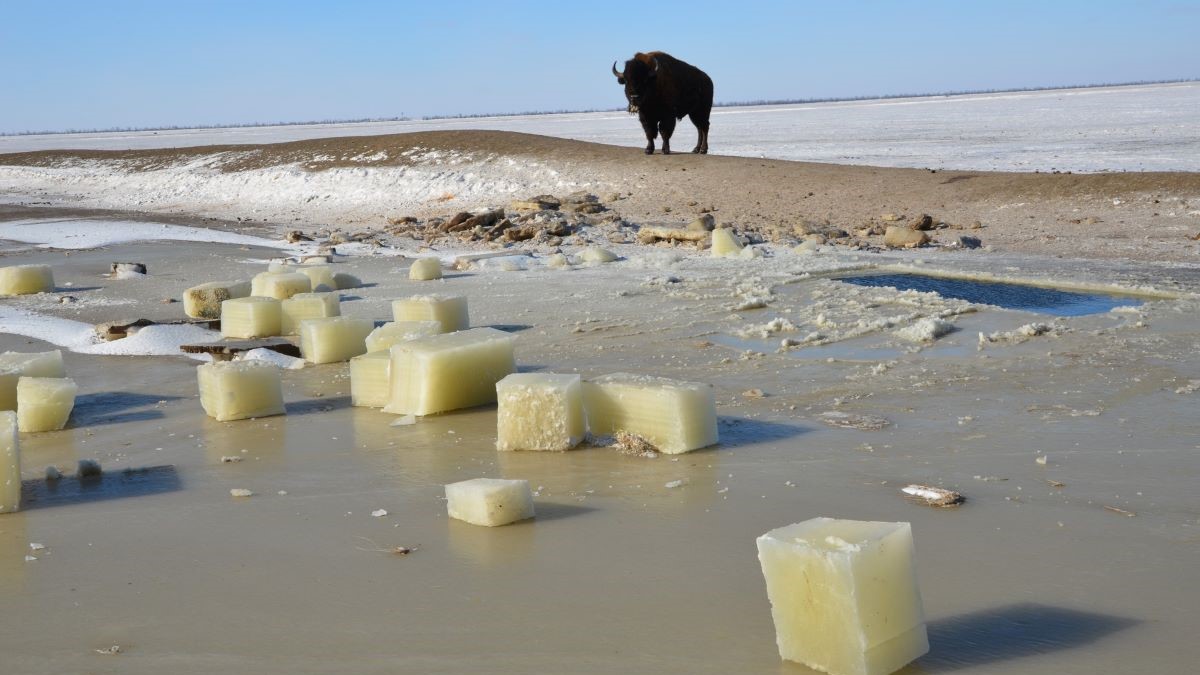 PHOTO: Askania-Nova Biosphere Reserve
The reserve's specialists warned of a possible extreme winter death rate among saigas, bison, spotted and red deer, mouflon, Turkmen kulan herds, and Przewalski's horses. As the experience of previous cold winters shows, preserving populations in such conditions is possible only through careful preparation, mobilization of resources, and creation of feed reserves.
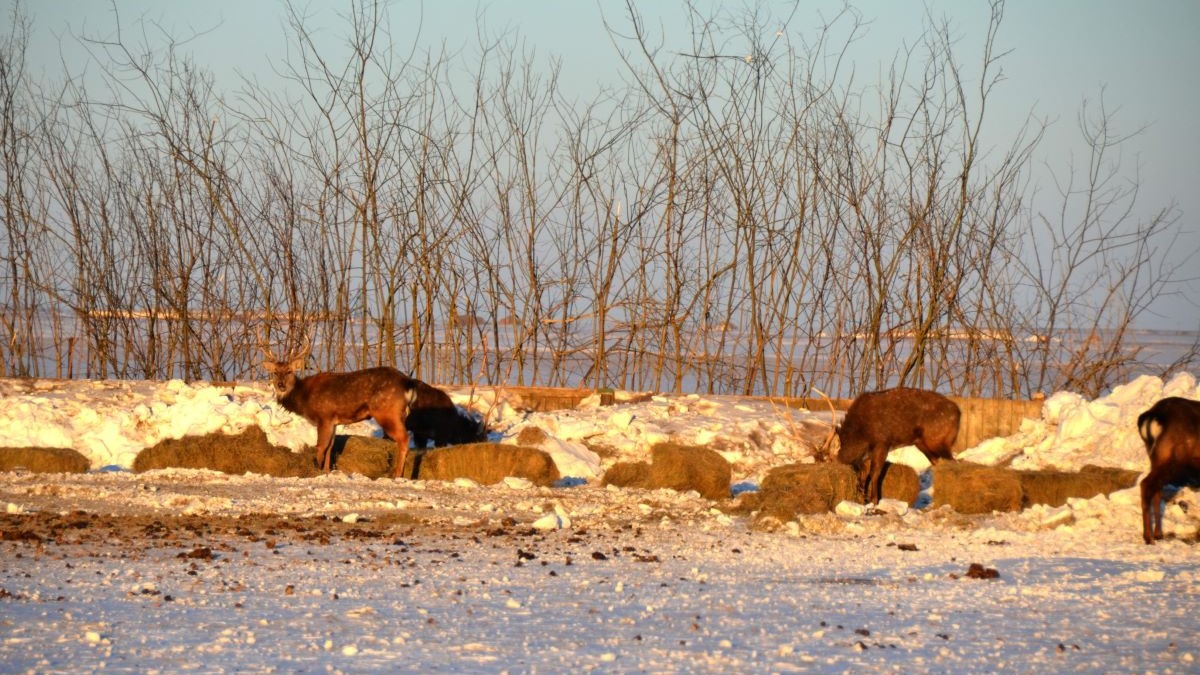 PHOTO: Askania-Nova Biosphere Reserve
Last year, in June, the Budzhak Village Council, the Askania-Nova Biosphere Reserve named after F.E. Falz-Fein, and the NGO Rewilding Ukraine signed a memorandum of trilateral cooperation. The document envisages the establishment of the Steppe Biodiversity Restoration Center, which will become a powerful center for the conservation and restoration of rare animals, birds, reptiles and steppe ecosystems in southern Ukraine.