Меню
Соціальні мережі
Розділи
Nov. 14, 2025, 7:38 p.m.
The Female Body and Bandera: An Interview with the Sculptor Yevhen Godenko
This article also available in English118

Yevhen Godenko. PHOTO: Art Ukraine Gallery
Born in 1951, the artist lives and works in Odesa. Godenko graduated from the Art Department at the Pedagogical University and taught at the Construction Academy. He devotes most of his life to sculpture, a direction he calls life casting. He creates body prints, trying to reveal what usually remains hidden. He has organized many exhibitions and art projects. For example, the sculptor worked with Kira Muratova during the filming of the movie Three Stories.
"My subjects are different people, but most often they are women: shapely, textured or, on the contrary, fragile and graceful. I am inspired by their bodies, and the plastic finds its own angle," says Yevhen.
According to him, the main thing in life casting is the moment of rebirth.
"After my art sessions, the models leave different. The imprint works like a negative - it absorbs what is to come out and leaves the positive. It's almost like a spa treatment: the body is cleansed, and the actual renewal takes place."
We visited the artist in his studio on Frantsuzsky Boulevard and talked about his admiration for Bandera and Sheptytsky, exhibitions, photography, and how a new form is born.
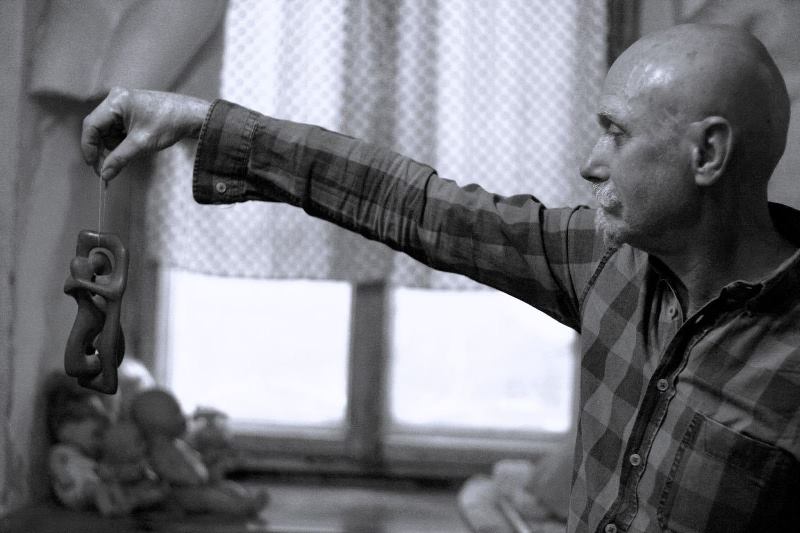
PHOTO: Nata Chernetska
In 2010, Yevhen Hodenko was featured in a short film calledShards of PlasterSpring.
In 2016, his joint exhibition with Dmytro Dulfan "Ethereal & Bodies" was held at the Odesa gallery of contemporary art "HudPromo". The artist emphasized the documentary corporeality of his sculptures: he deliberately avoids personal expression or any interference with nature, thus turning action into non-action.
In 2018, Godenko took part in the project "More than a Sculpture" at the ART UKRAINE GALLERY in Kyiv. Subsequently, the workshop "Documentation of the Body" took place there, where the artist showed how the "prints" of the elusive are reproduced on a model.
In 2020, the Odesa Museum of Western and Oriental Art hosted a group exhibition "The Right to Nu", which also featured Godenko's works.
In 2022, in the gallery of the Na Hretska shopping center, he took part in the group project of Odesa artists "Spring".
And in 2023, in the creative space "Dialogues" at the exhibition with Yevhen Zapotochnyi "Return to Beauty", the artist again presented his works
What kind of experience is it to leave your imprint in plaster?
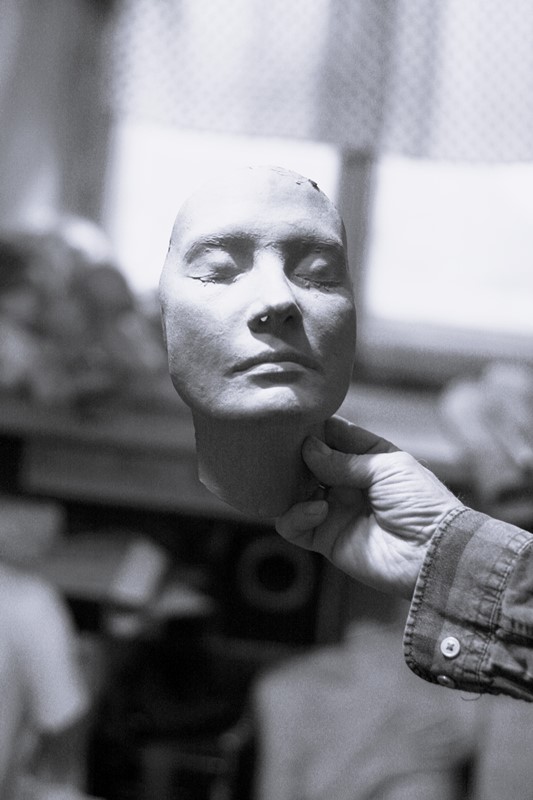
PHOTO: Nata Chernetska
It's an interesting feeling when your naked body is covered with plaster. At first, the material is cold, and then, when it crystallizes, it starts to heat up - it turns out to be a healing compress, a kind of spa treatment. They say that during crystallization, gypsum absorbs negative energy.
The molds usually stay with me - rarely does anyone take them with them.
Really? I thought it was mostly pregnant women who came to you to fix their unique shape.
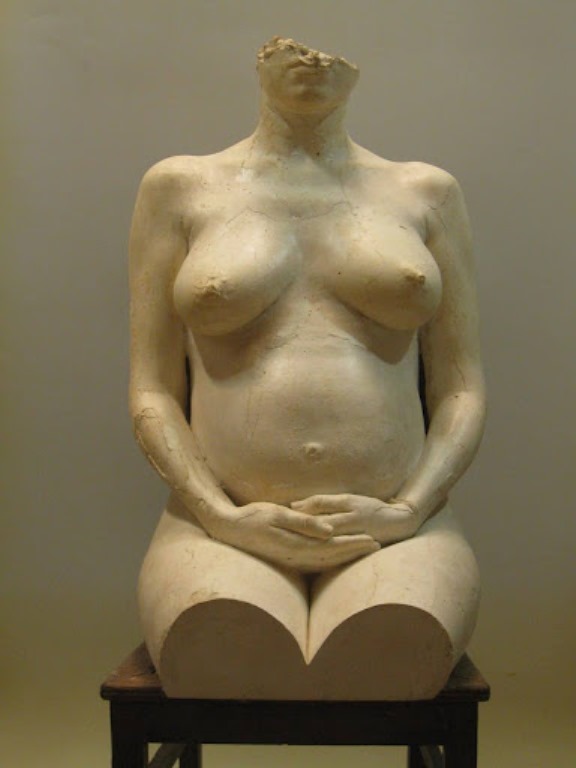
PHOTO: Yevhen Godenko's Facebook page
Yes, there was one case. A friend of mine, a jazz musician who played the harmonica, came to me with his daughter, who was 18 and pregnant. They had emigrated to the United States back in the 90s, but they came to Odesa, and he asked me to make a cast for her. It was the only experience like that.
What is the idea behind your works?
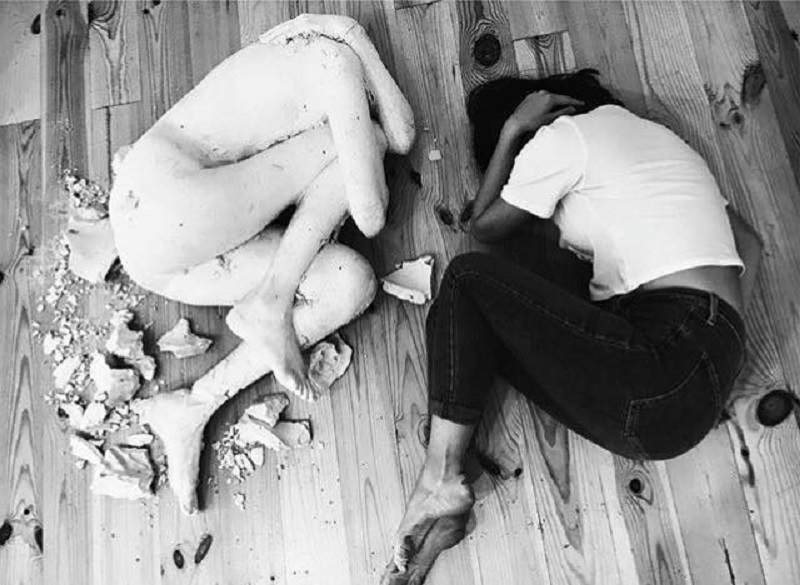
PHOTO: Masha Tseloieva
To capture a form "here and now," something that will never happen again. I also like the process itself, the contact with the model. But I have never had an intimate relationship with any of them. All that remains is their plaster form.
Do you remember all your models?
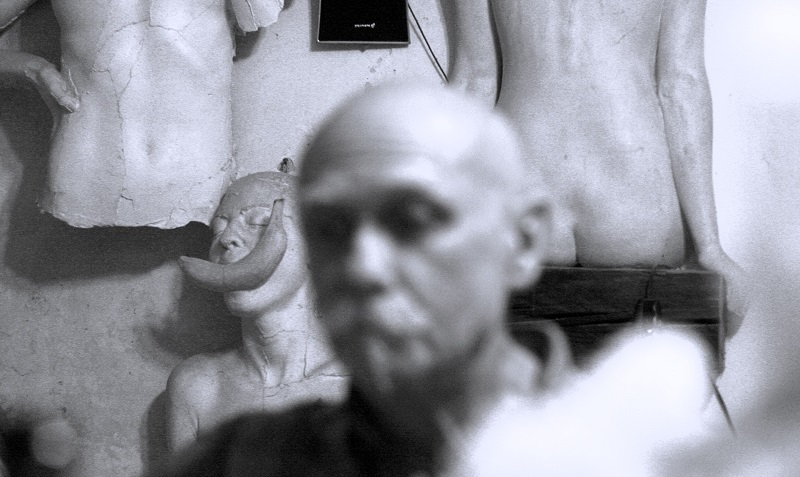
PHOTO: Nata Chernetska
Of course I do. Each one is a separate story.
When did you start doing this?
Around the 70s, more than 50 years ago. One of my first models was named Eva. Her form has already darkened with time, but it was one of my best works.
There are a lot of female forms in the studio. What about men's?
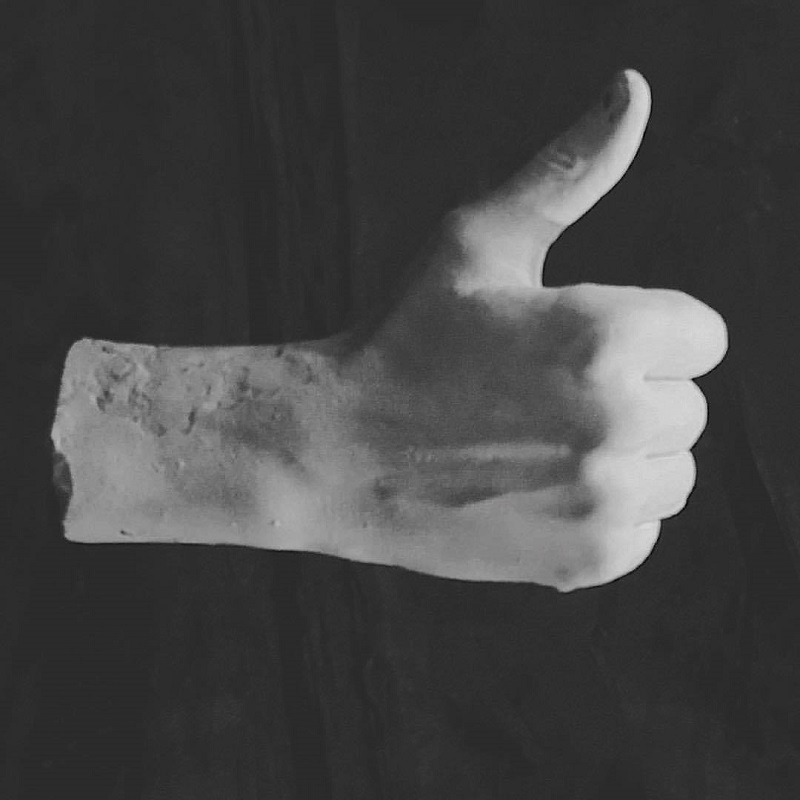
PHOTO: Yulia Belyaeva
There were several orders. Once, novice filmmakers were making a movie about the war, and they needed a plaster cast of a man sitting in a burning 'loaf'. I made a cast of almost the entire body.
There was also a theater actor who was mobilized.
And recently, the artist Stas Zhalobniuk came with collectors-they needed a cast of a man's penis.
About photography.
You are also engaged in photography. Why haven't you had any photo exhibitions?
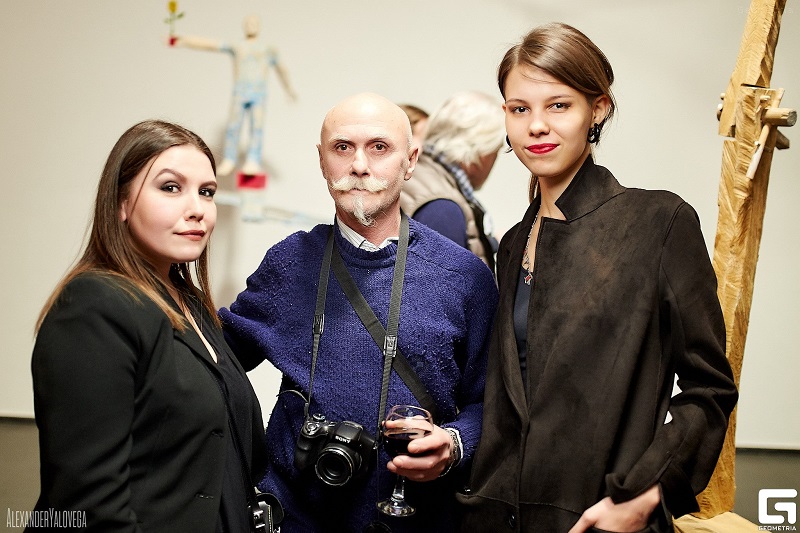
PHOTO: Oleksandr Yalovega
I used to work with film - I shot in black and white, developed and printed it myself. Back then it was affordable and cheap, but now it's the opposite. I still have undeveloped films.
I was fascinated by Jan Saudek's photography-he used to tint his black-and-white works. I also tried to tint my photos with colored pencils. Now I want to bring a scanner to the studio and digitize everything.
How did your passion for photography begin?
When I was a kid, I had a friend who was a professional photographer who took pictures of weddings and sporting events. We developed the photos in the bathroom, under a red light. Then I was given my first camera, a "Shift". I was in the tenth grade. I took a whole school album - trips, lessons, physical education, everything related to school life.
About the film and the workshops
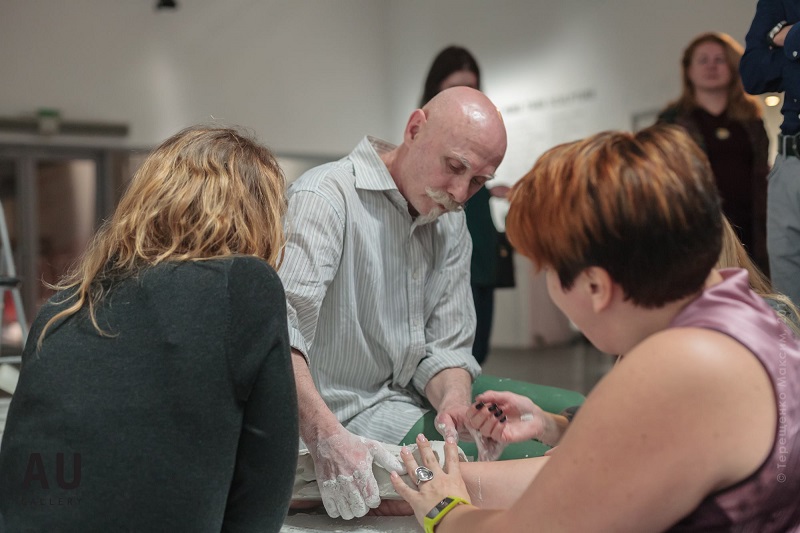
PHOTO: Art Ukraine Gallery
Tell us about the movie Shards of Plaster Spring, which was made about you.
It was made by Anastasia Maleeva, a student of the Grekov Theater and Art School. She was finishing her degree in directing and decided to make a movie about me. She involved her friends in the filming. The premiere took place at the Vydok club.
In 2018, you held a master class in Kyiv. Why not repeat it in Odesa?
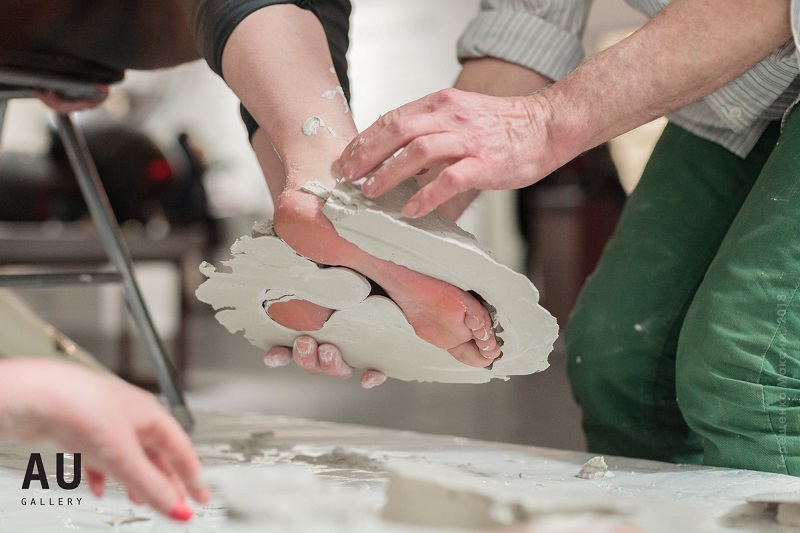
PHOTO: Art Ukraine Gallery
The idea came from Natalia Zabolotna, the owner of Art Ukraine Gallery. The workshop was paid for, and there were a lot of viewers.
And what about the models?
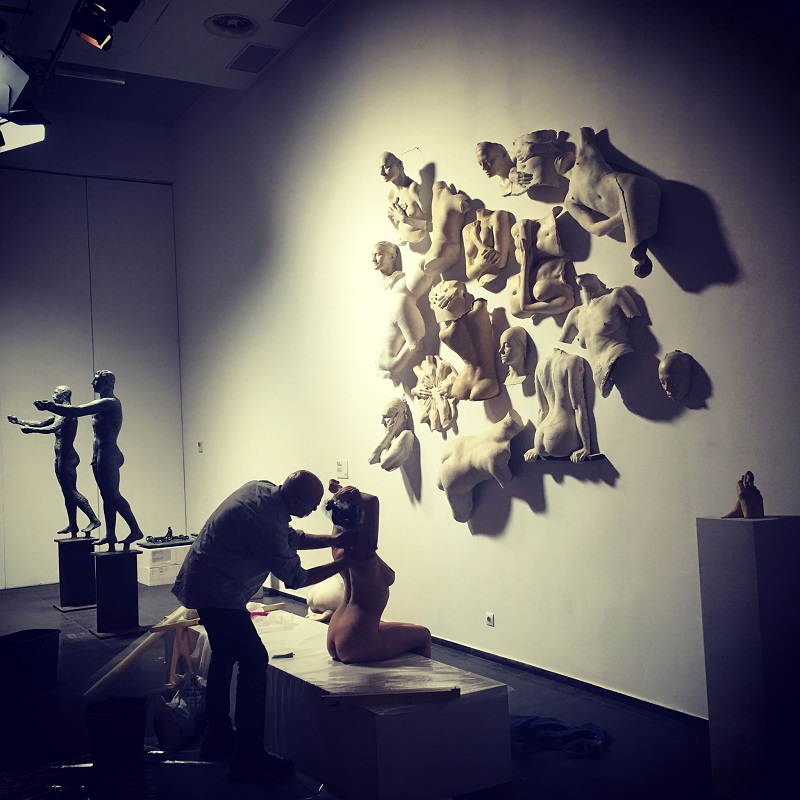
PHOTO: Marina Chornovol
In Kyiv, it was difficult. My regular model then went to Tiraspol. We were rescued by curator Masha Tseloieva, who later worked at the Odesa Art Museum with Oleksandr Roitburd. She found a girl who agreed to be naked and wearing white makeup for the whole evening.
They also offered participation to a Kyiv dancer, who agreed, but at the last moment he refused.
Were you friends with Roitburd?
We weren't close friends, but I always felt his support. I think it was he who was behind the idea of the Kyiv master class. Earlier, he organized a big exhibition for me in Odesa at the Khudprom together with Dulfan.
On Bandera, childhood, and anti-communism
In your studio, next to the female forms, you have portraits of Bandera and Sheptytsky. What do they mean to you?
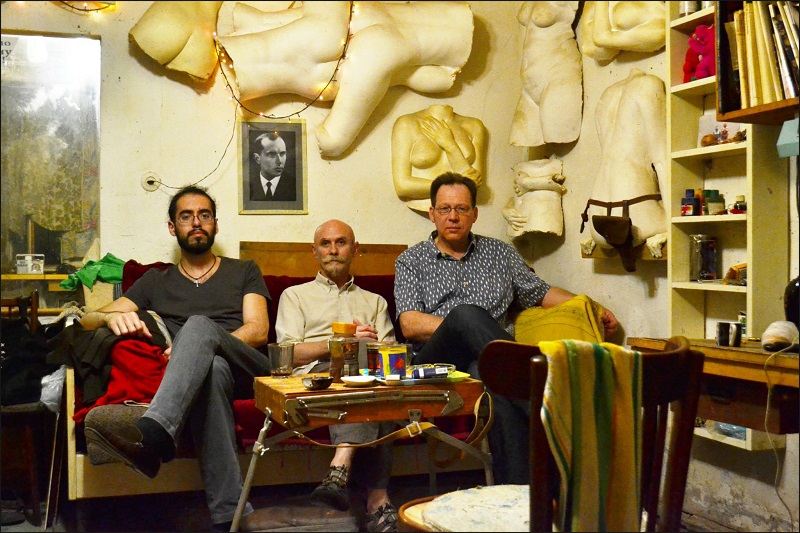
PHOTO: Yevhen Hodenko's Facebook page
They fought for a free Ukraine. I knew about this even when it was forbidden to talk about them.
I was born in 1951, when Stalin was still alive. In the late '50s, they started selling passport radios, and my father, a military tanker, bought one. We were living in Moldova, in a military town, basically as occupiers-everything was Russian, no contact with the locals.
We listened to the Voice of America and Radio Liberty on shortwave. Since then, I have been "infected" with anti-communism. It also helped that I read a lot-I was registered in several libraries. And gradually I realized that all official sources were full of lies.
How did your friends react to these views?
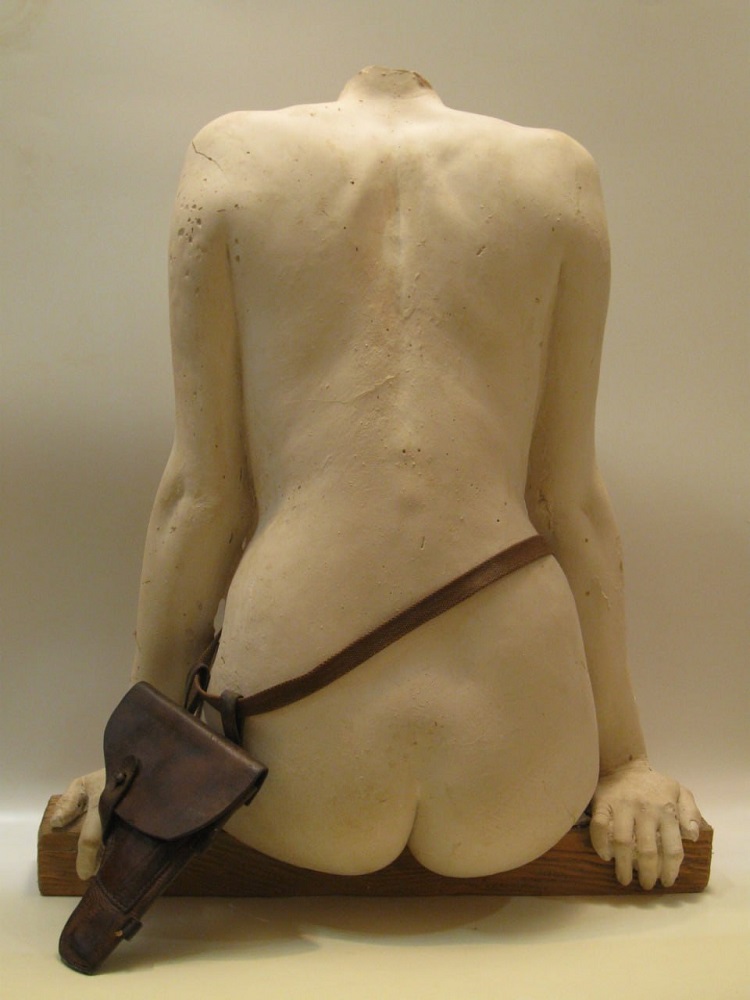 PHOTO: Yevhen Godenko's Facebook page
In 2014, after the occupation of Crimea and Donbas, I printed out a photo of Stepan Bandera and hung it in my studio. I made a few postcards and gave them to my friends.
Surprisingly, even those who had lived through Soviet propaganda believed it to be true. They called Bandera a fascist. Many people did not understand me then-and still do not.
About the war and the present
How do you feel about the so-called "vatniks"?
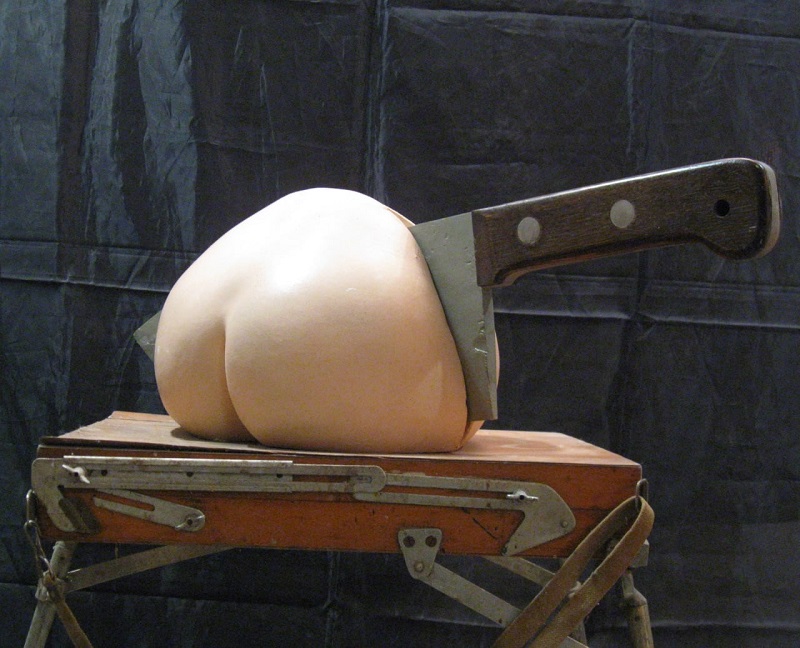
PHOTO: Yevhen Hodenko's Facebook page
They are zombies. I sympathize with them. I have no aggression, I can communicate with them calmly.
What do you think about decolonization and renaming streets?
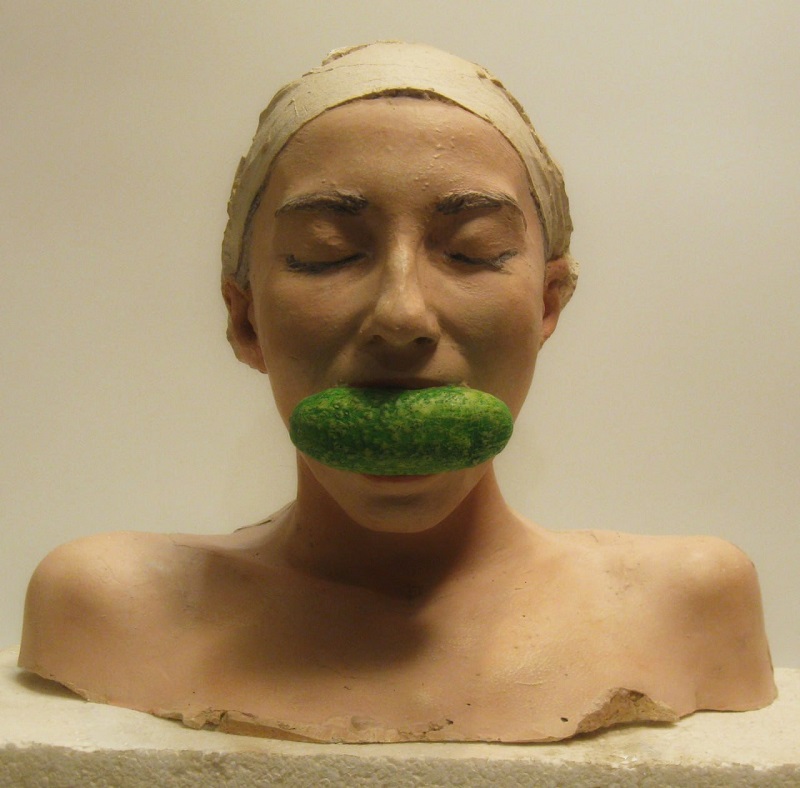
PHOTO: Yevhen Hodenko's Facebook page
This is rather a distraction - an attempt to create an internal conflict over trifles. This conflict itself is empty.
They say that your studio was hit by a plane?
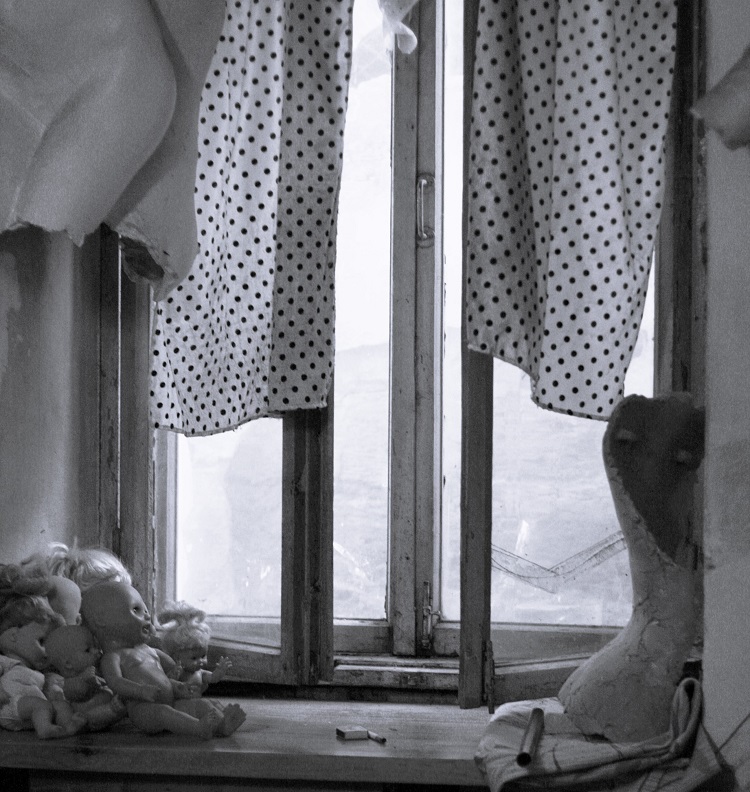
PHOTO: Nata Chernetska
Yes, last fall. The ballistics arrived around ten in the evening. It was good that everyone had already left - we were sitting here 15 minutes before. I came in the morning and everything was shattered.
Did you think about leaving?
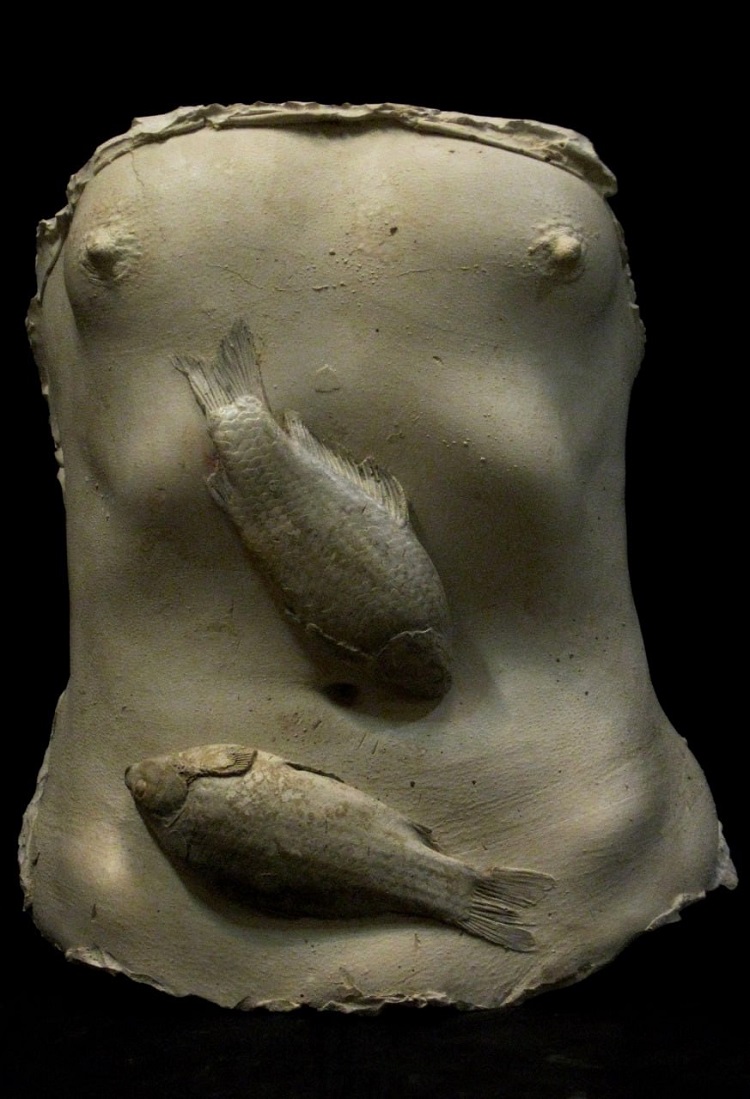
PHOTO: Yevhen Godenko's Facebook page
No. It's good where we are.
On worldview and contemporary art
What philosophy do you follow?
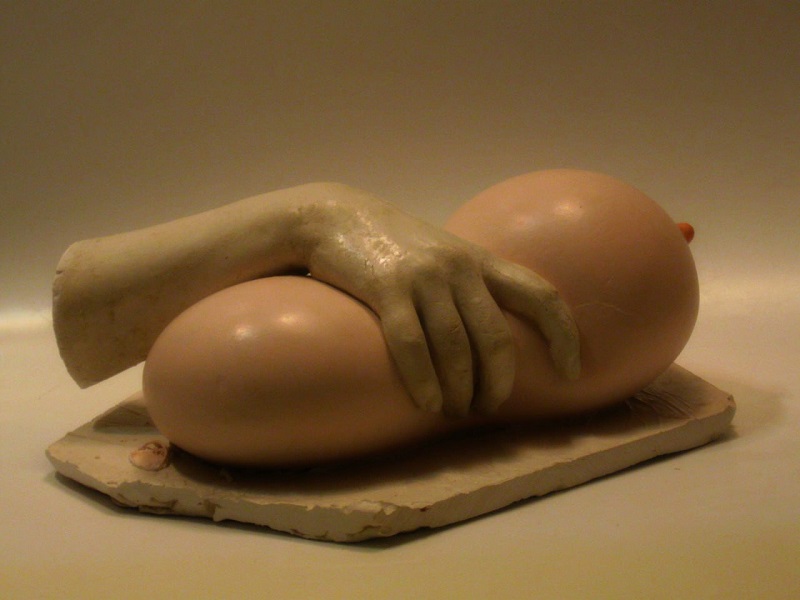
PHOTO: Yevhen Godenko's Facebook page
I am a follower of Zen Buddhism, or rather the Taoist school of non-action. If such a school did not exist, I would invent it. By doing nothing, you do a lot. And then the result comes by itself.
What is the most important thing in art today?
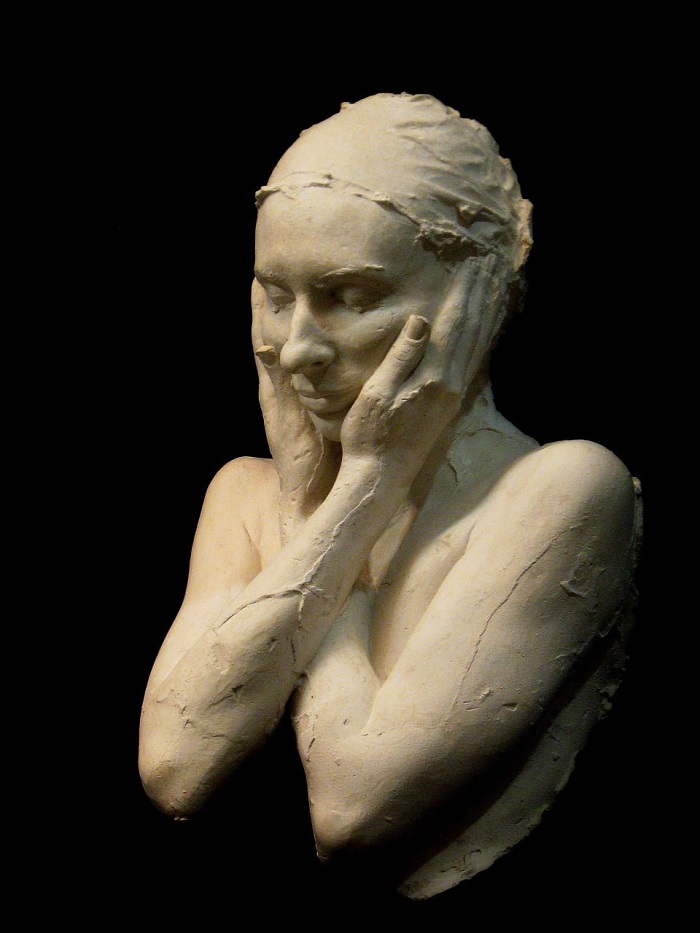
PHOTO: Yevhen Godenko's Facebook page
Not what you do, but how you explain it. If you put a serious concept behind any nonsense, it will be enough for critics and collectors. This is probably the most important thing today.