Меню
Соціальні мережі
Розділи
June 8, 2025, 9:09 a.m.
Employers' cases: how Odesa region businesses implement accessibility with state support Реклама
This article also available in English143

Photo: Getty Images
Employment of people with disabilities in Odesa region is no longer an exception. Businesses and communities are creating jobs thanks to a program from the Ministry of Economy. You hire an employee with a disability, buy equipment for their comfortable and efficient work, if necessary, and soon receive financial compensation. So the business expands and becomes inclusive, and people with disabilities have jobs and equal opportunities. One and a half hundred entrepreneurs in the region have already benefited from compensation for workplace arrangement, and many of them are participating in the state program again, attracting new staff. We're going to tell you how this works in practice using examples of Ukrainian businesses that have already used government support to create affordable jobs.
Barrier-free workplace: 10 years of experience
Accessibility issues at the meat processing plant Gavrilovka LLC are not just a formality, but a value that has been implemented here for more than a decade. To ensure that employees with disabilities can work effectively, they adapt workplaces, modernize infrastructure, and change management approaches and some processes.
"It is comfortable to work with employees with disabilities, but you need to find an individual approach to each one. After all, everyone has different tasks and needs. Communication with employees with hearing impairments required the most changes. For example, previously, the signal for sterilizing knives was a siren that sounded every 30 minutes, but now it is a backlight. These things had to be changed so that everyone could work efficiently," says Olena Vladova-Zhulavska, CFO of Havrylivka LLC.
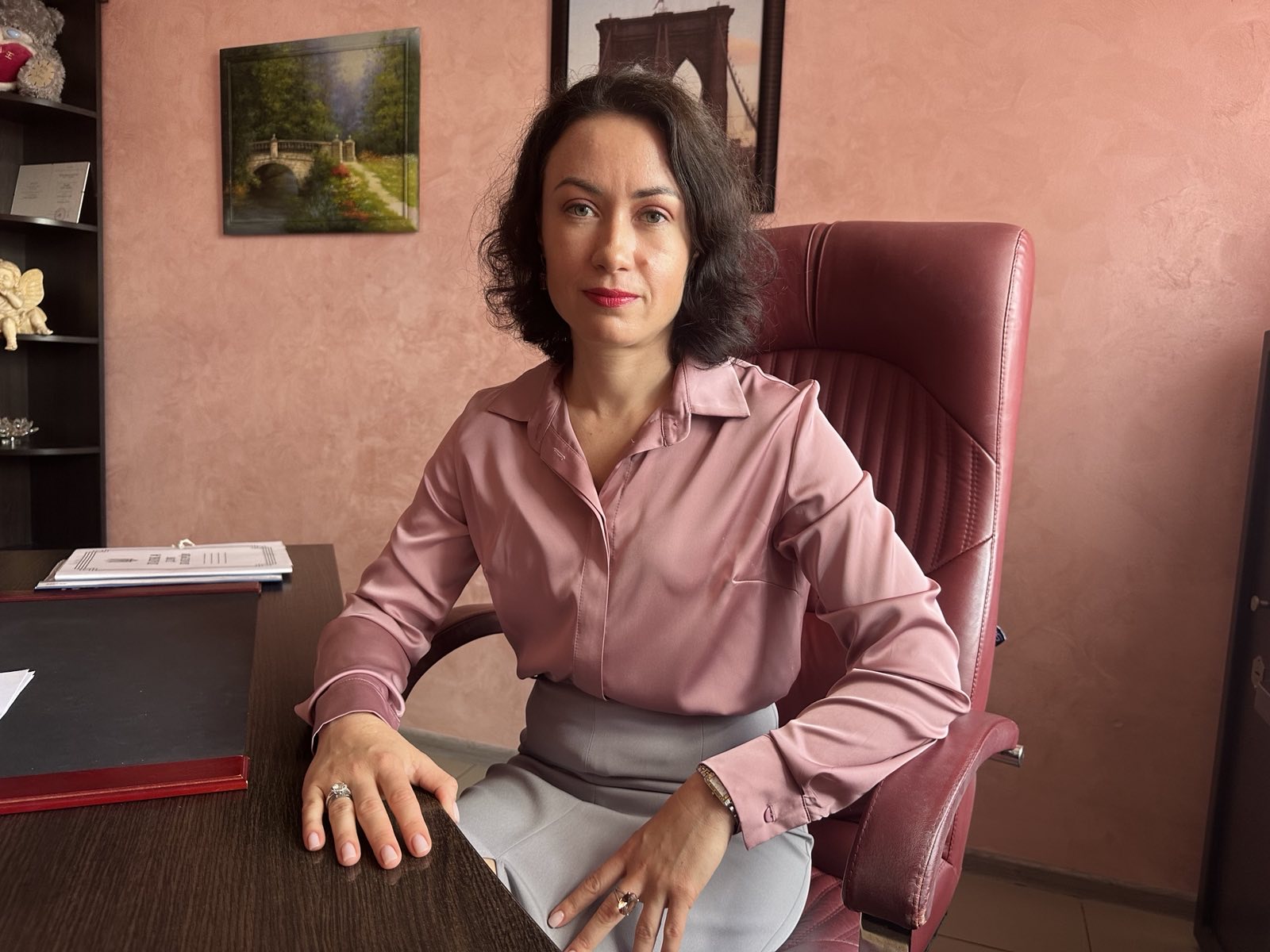
Olena Vladova
Over the past year, the company has hired three more people with disabilities, including a combat veteran who has amputations of both legs. Initially, he was offered an office position, but the man insisted on working in the cutting room.
"We had to equip the workplace so that he could stand for a long time. So we created a special support like a bar stool. After the prosthesis, in about six months, it became much easier for him to work," says Olena.
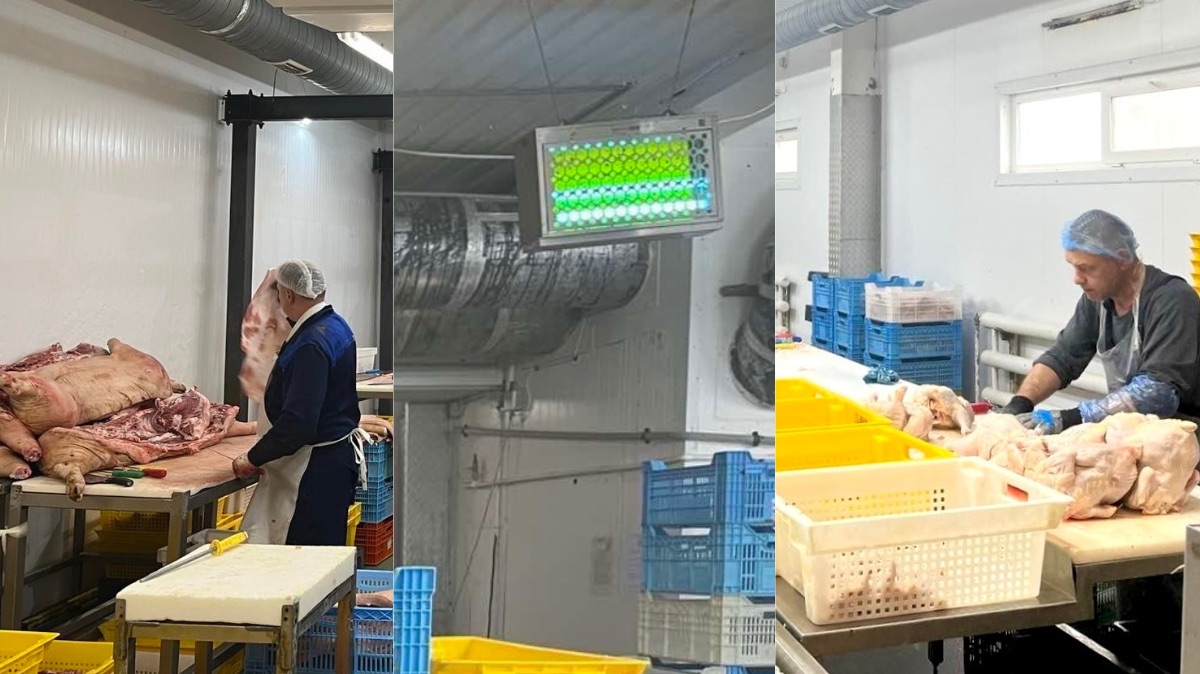
Meat processing plant
Another employee, also a veteran, is the head of security at Havrylivka LLC. His brain injury makes it difficult for him to move actively, so his checkpoint was equipped with special sliding doors with a metal structure and video surveillance cameras. This allows the employee to perform some of his tasks without leaving his office. Another employee, who works as a manager, received the necessary computer equipment. So none of the employees have difficulties performing their duties because of their disabilities, the CFO emphasizes. In addition, all expenses were covered by the state.
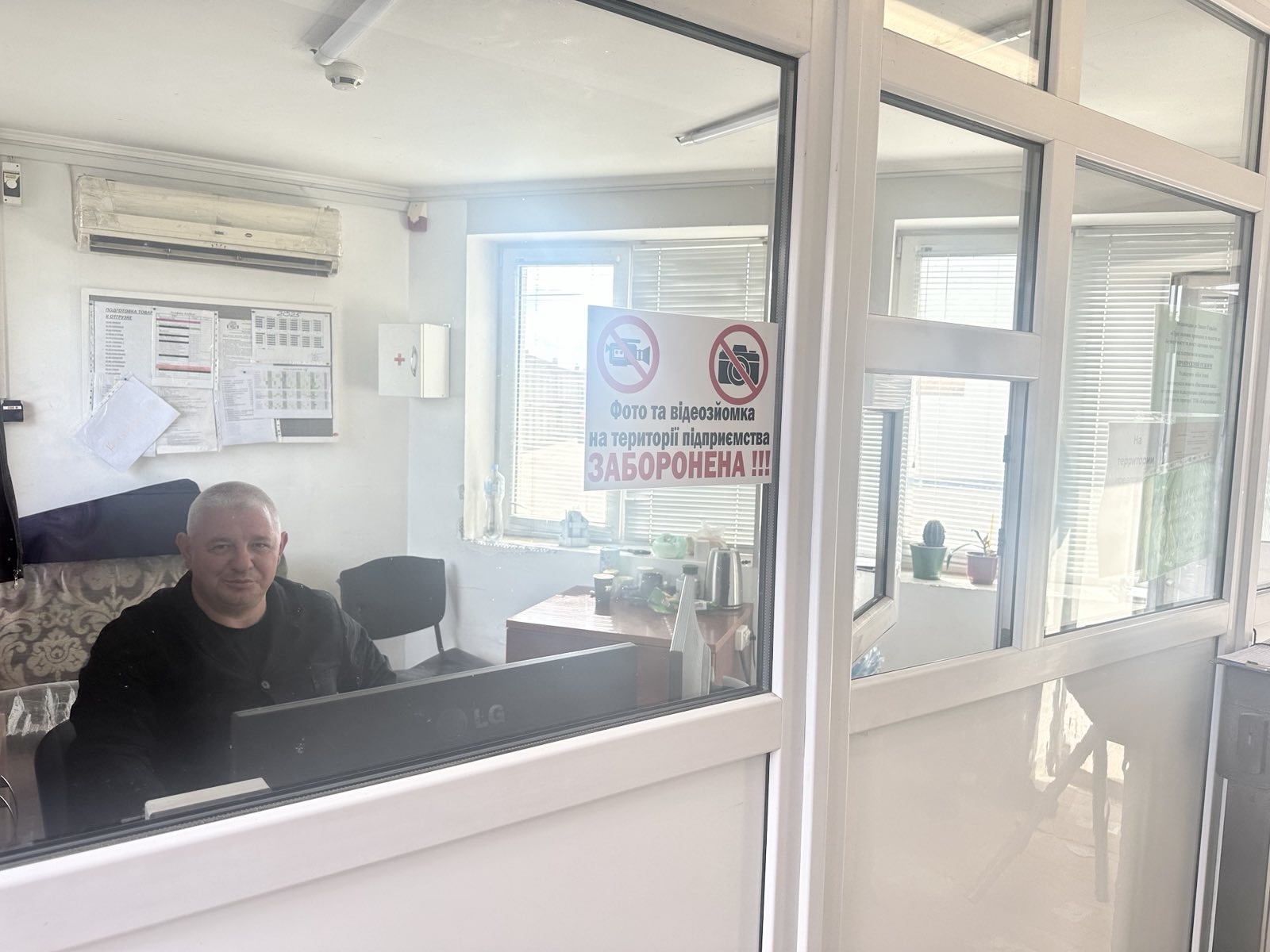
Security office
"This really helps to save money and encourages people with disabilities to work. Let's not be lying - even reimbursement for computers or office equipment for employees with disabilities significantly eases the burden on the company's budget," says Olena Vladova-Zhulavska.
State support is not a formality, but a real tool
The state reimbursement program has become an incentive for active workplace adaptation. Gavrylivka LLC has already used it several times and received reimbursement for the equipment it purchased and the adaptation of its infrastructure.
"This is not symbolic support, but compensation for real expenses. You buy it, submit reports, and get paid," the employer emphasizes.
Olena is also confident that the program is changing the attitude of businesses to employment quotas for people with disabilities. Instead of formal employment, more companies will now look for specialists who will actually do the job and create comfortable conditions for them. And most importantly, they will have results.
How does it work: how much and what is compensated?
Under the government program, employers can receive the following amounts of compensation
- up to UAH 120 thousand - the cost of arranging a workplace for an employee with a disability group I;
- up to UAH 80 thousand for an employee with disability group II.
Reimbursement for the arrangement of their own workplaces is also provided for individuals - entrepreneurs or persons engaged in independent professional activities who have a disability.

The workplace. Photo: Getty Images
Compensation covers the purchase of:
- office furniture;
- special equipment (braille keyboards, monitors with tactile images)
- lifts, handrails, special vehicles;
- equipment for people with hearing, visual or musculoskeletal disorders.
The application can be submitted through the Employment Center or online on the Diia portal.
A manager with a disability: the example of the Lyubashivska Hromada
Another example is the municipal institution "Zelenbud" in the village of Liubashivka. It is headed by Ruslan Zatkheya, who has a group II disability related to complications from diabetes.
"I have neuropathy, lost sensation in my legs. But I can walk and work. The main thing is the opportunity to be useful and not to drop out of life," Ruslan says.
It was not an easy task for the man to find a job near his home, in Liubashivka. However, his almost 15 years of management experience were definitely not in vain. So, after three months of registration at the Employment Center, Ruslan Zatkheya received an offer to head a utility company and took the chance.
"The employment center offered me to start my own business, told me about various opportunities for people with disabilities. They also added that it was possible to equip a workplace. So, when I was already a manager, I did it."

A man at the computer. Photo: Getty Images
Office furniture, a computer, and a printer were purchased for the head, and the state fully reimbursed these costs.
Now Ruslan is initiating further steps - he wants the state to expand the program. He says that this would make it possible to expand the team of employees to include veterans with group III disabilities - mostly military men who have returned from the front and are motivated to work.
"This is not only support for them, it is a contribution to the community. Work gives them confidence and stability," Ruslan emphasizes.
Over the period of the program's operation in Odesa Oblast, 142 employers have used it, employing 157 people with disabilities. The total amount of funding for job adaptation reached UAH 10.5 million, according to the Odesa Regional Employment Center.
The information campaign on the state program of compensation for the arrangement of workplaces for people with disabilities is being implemented by the United Nations Development Program (UNDP) as part of the Mine Action in Ukraine project at the request of the Ministry of Economy of Ukraine with the participation of the State Employment Service and with financial support from the Government of the Republic of Korea.
Diana Fedotova
Діана Федотова