16 July 2026, 18:45
Lazar Khalif: The Man from Odessa Who Taught America to Dance
Ця стаття також доступна українською

Lazar Khalif during a dance class. PHOTO: Bain News Service / Library of Congress
Intent continuesits series of articles about outstanding men and women from Odessa. This time, the article will focus on Lazar Khalif.
First Steps in Ballet and the Move to the U.S.
Lazar Khalif was born in Odesa in 1876 and began studying ballet with Tomas Nijinsky at the age of nine. In 1893, he completed his training and received a professional diploma. According to later biographical sources, Khalif was appointed ballet master in 1897; he later served as ballet master at the Odessa City Theater.
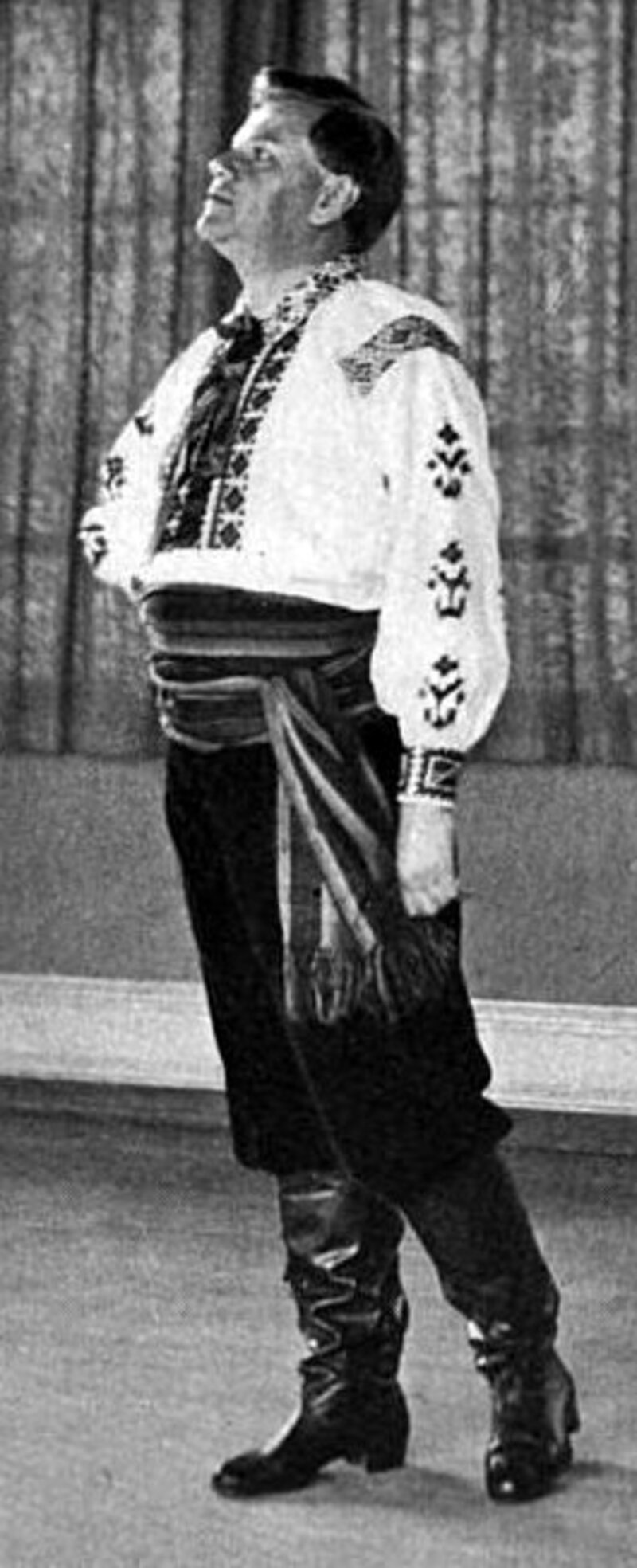
Lazar Khalif. PHOTO: web.archive.org
But in 1904, a whole new chapter began. Lazar emigrated to America and changed his name to Louis Harvey Khalif. In New York, he briefly served in the ballet company of the Metropolitan Opera and assisted ballet master Luigi Albertini, while also teaching at private ballet schools. Chalif also taught folk dances at New York University and at the Teachers College at Columbia University. As early as 1905, he opened his own dance and teacher-training school, where he not only taught dance to anyone interested but also nurtured a professional community of dance and physical education instructors.
His Own Dance School in the Heart of New York
In 1910, Lazar Khalif ended his dancing career and focused exclusively on teaching. In the early years, the school did not have its own building. But in 1916, the choreographer invited architects George and Henry Bem to design a building for the best dance school in America.
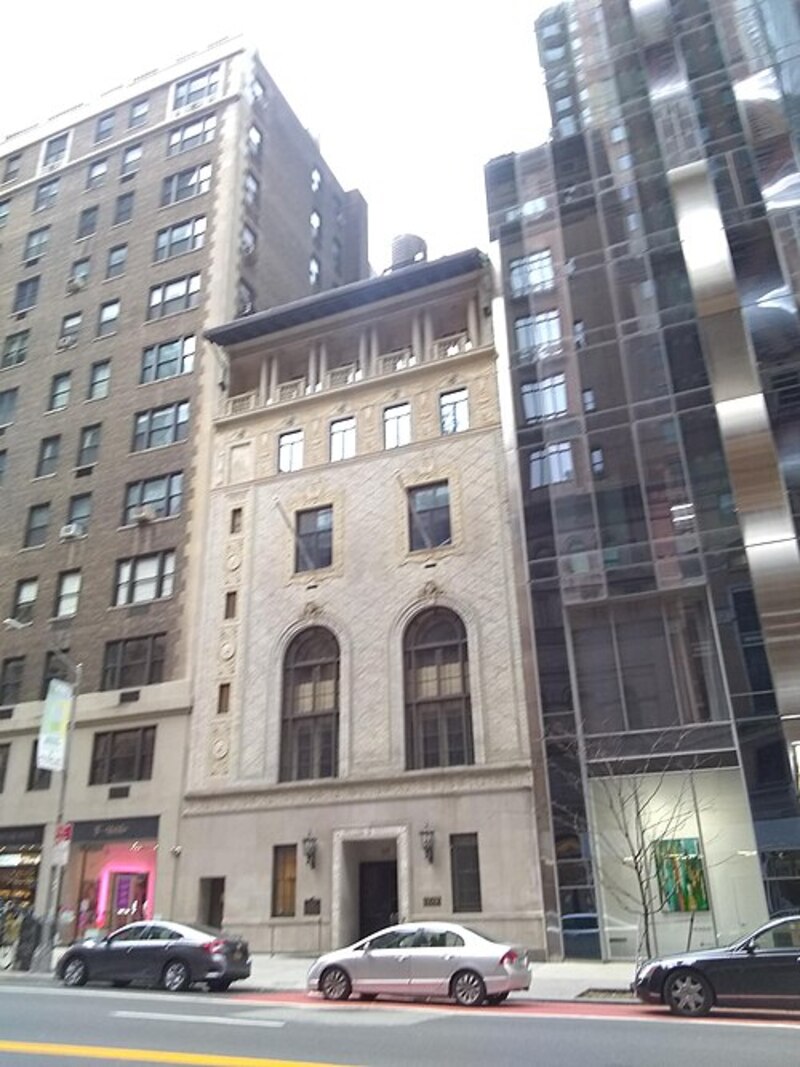
The building in New York City where Lazar Khalif’s school was located. PHOTO: upload.wikimedia.org
The five-story building, which cost $110,000, became the pride of its owner. The school’s curriculum was intensive and included 500 hours of instruction in various dance styles. The founder himself spent at least 16 hours a day working at the school and teaching in the surrounding area. His two sons, Amos and Edward, joined their father’s business.
It was not just a place for learning, but a full-fledged arts center. The first floor featured a large wooden lobby leading to the stairs and elevators. There were also offices, a coat check, changing rooms, shower rooms, and a large studio. The second and third floors housed large dance halls. The fourth floor housed the school founder’s private apartments, which consisted of nine rooms, three bathrooms, and service areas. The top, fifth floor was an all-glass structure designed as a gymnasium and was used as a summer school with an open steel roof. In winter, it could be closed off, and in summer, it could be opened on all sides.
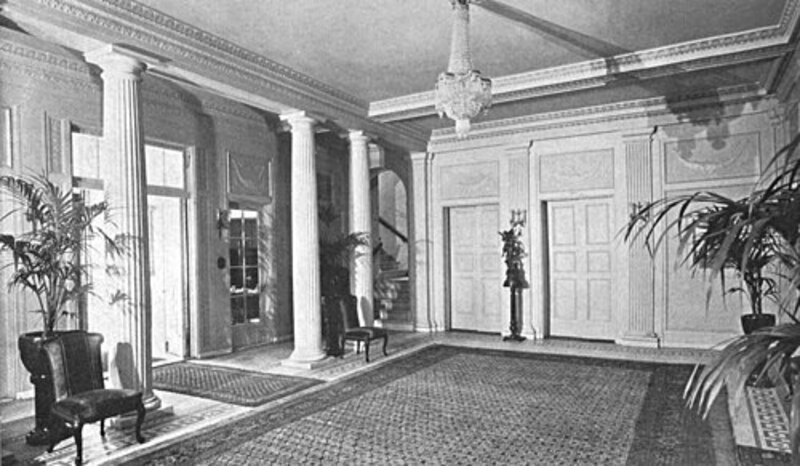
Interior of Lazar Khalif’s school. PHOTO: upload.wikimedia.org
The Khalif family raised eight children. One of Lazar Khalif’s sons, Amos, recalled his childhood home as the best place to grow up. The magazine *Real Estate Record and Guide* described the house as having “all the modern conveniences currently found in the finest apartments.”
During the Great Depression, Lazar Khalif lost ownership of the house and continued his business elsewhere. However, the building still stands today and is owned by Columbia Artists Management, Inc. (CAMI).
Lazar Khalif’s Legacy Lives On
Until the end of his life, Lazar Khalif remained dedicated to his passion. The choreographer led professional organizations and participated in the codification of dance regulations. For example, in 1922, he supported a bill that would have banned the teaching of certain “indecent dances” in New York State (the bill was never passed). He specifically included tap dancing among these dances.
On November 25, 1948, at the age of 71, Lazar Khalif died of a heart attack while taking a drive with friends in New York’s Central Park. The choreographer’s children took over the school and ran it until 1955. After that, they pursued their own teaching careers. Amos Khalif retired in the 2000s. By that time, the family had been teaching dance for 100 years.
Throughout his life, Khalif created about 1,200 ballet and dance compositions in a wide variety of styles and techniques: from children’s dances to classical ballet. Lazar Khalif was actively involved in educational work and wrote six textbooks and five thematic instructional collections devoted to classical and folk dances and various dance techniques (including dancing on pointe). To promote his dance school, Khalif mailed more than twenty thousand catalogs around the world. Today, these catalogs, as well as photographs of Lazar Khalif, are preserved in the Library of Congress.
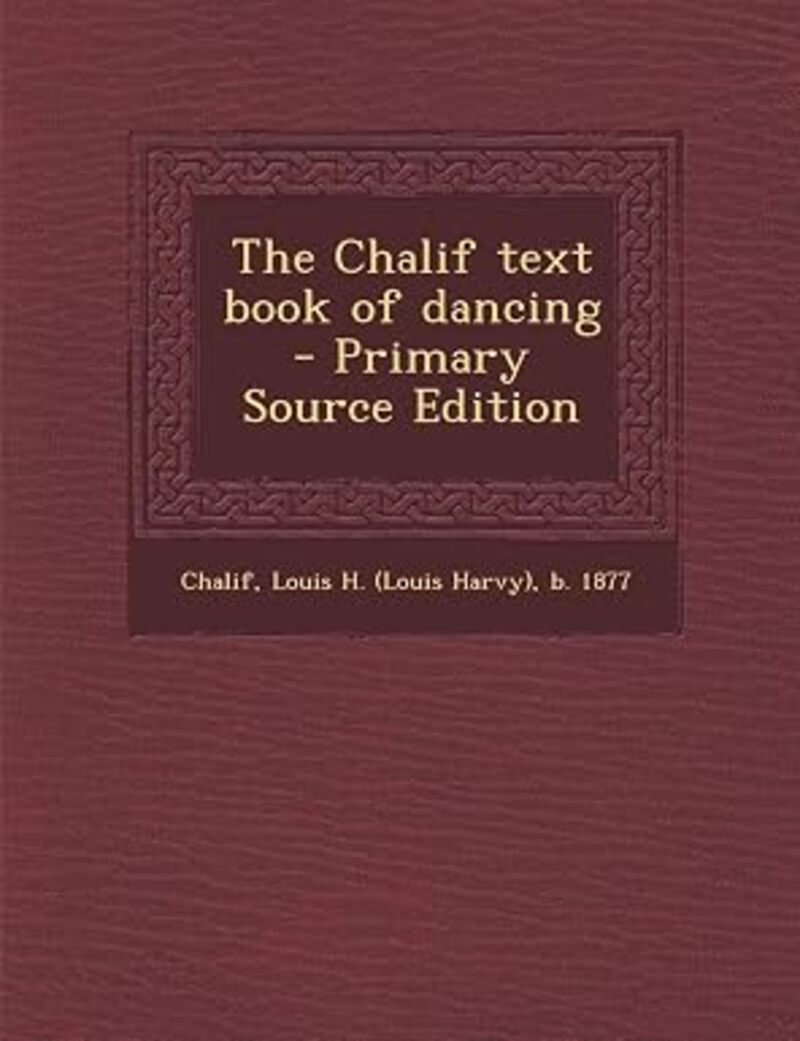
Lazar Khalif’s dance textbook. PHOTO: m.media-amazon.com
Trade journals wrote about him as a man who was not only the “dean of New York dance teachers” but also someone who “stood at the forefront of a movement that introduced ballet lessons to ordinary American children.”
Віолетта Дідук