Меню
Соціальні мережі
Розділи
April 3, 2026, 9:54 p.m.
How to make a budget for car repairs and not make a mistake Реклама
This article also available in English1

Few things can throw you out of financial balance as effectively as an unexpected service station bill. Especially when the mechanic quotes an amount twice as high as expected, and it's impossible to refuse the repair. Most of these situations are not the fault of the mechanic, but the result of the fact that the car owner had no idea about the real cost of the work and parts. A well-designed budget solves this problem even before the car gets on the lift.
Start with diagnostics, not estimates
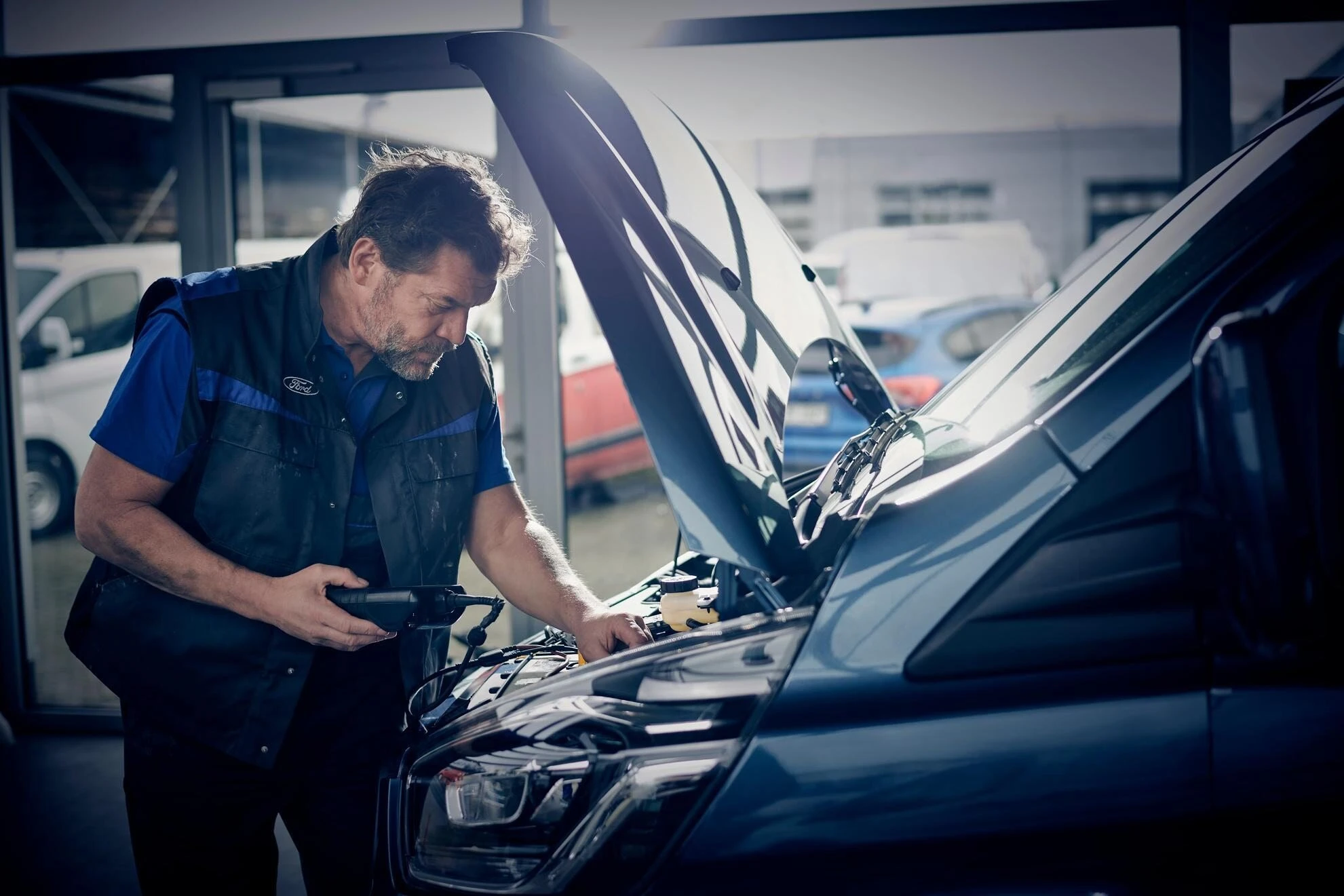
The most common mistake is to ask a mechanic to give you a price over the phone or based on a description of the symptoms. Without diagnostics, any amount is approximate, and this estimate is almost always adjusted upward after disassembly. The right sequence: first, a full diagnosis with a list of faults, then an estimate for specific work and parts. A good service station always provides a written estimate before starting work. If the mechanic refuses to do it, it's a reason to look for another service.
Divide the costs of parts and labor
The estimate consists of two fundamentally different items: the cost of spare parts and the cost of labor. These figures should be considered separately because each can be optimized independently of the other. Saving on the cost of labor is often detrimental - a cheap repairman can ruin a part or miss a related malfunction. Instead, you can save on spare parts reasonably if you choose the parts yourself and compare prices before visiting the service station.
Exist.ua for preliminary budget calculation
Having a list of parts from the mechanic, it is convenient to check the real prices on Exist.ua and immediately compare the original with high-quality analogs. The VIN search shows only compatible items, so the risk of choosing the wrong part is minimal. This allows you to come to the service station with an understanding of the real cost of spare parts and confidently discuss the estimate with the mechanic. Some owners order parts on their own and bring them to the service, a practice that often yields tangible savings.
Make a reserve for unforeseen expenses
Even the most ideal estimate can change after the work begins. During disassembly, a mechanic often finds additional faults that cannot be diagnosed without dismantling. Experienced owners set aside a reserve of 20-30% of the original amount. This is especially true when repairing suspension, engine, and bodywork, where related damage occurs most often.
Prioritize by criticality
When the budget is limited and the list of faults is long, divide them into critical and non-critical. The first category includes everything that affects safety: brakes, steering, suspension, lighting. Cosmetic defects and comfort options are the second priority. This approach allows you to spread the costs over time and not be left out of pocket after one major repair.
Repair becomes a manageable expense item if you treat it as a planned task. Diagnostics, a written estimate, self-selection of parts, and a reserve fund are four steps that save both your nerves and your wallet.