01 September 2026, 14:21
Kivalov boasted about setting a record by gathering 7,000 students at the stadium
Ця стаття також доступна українською

PHOTO: Screenshot from a video by Serhiy Kivalov/Facebook
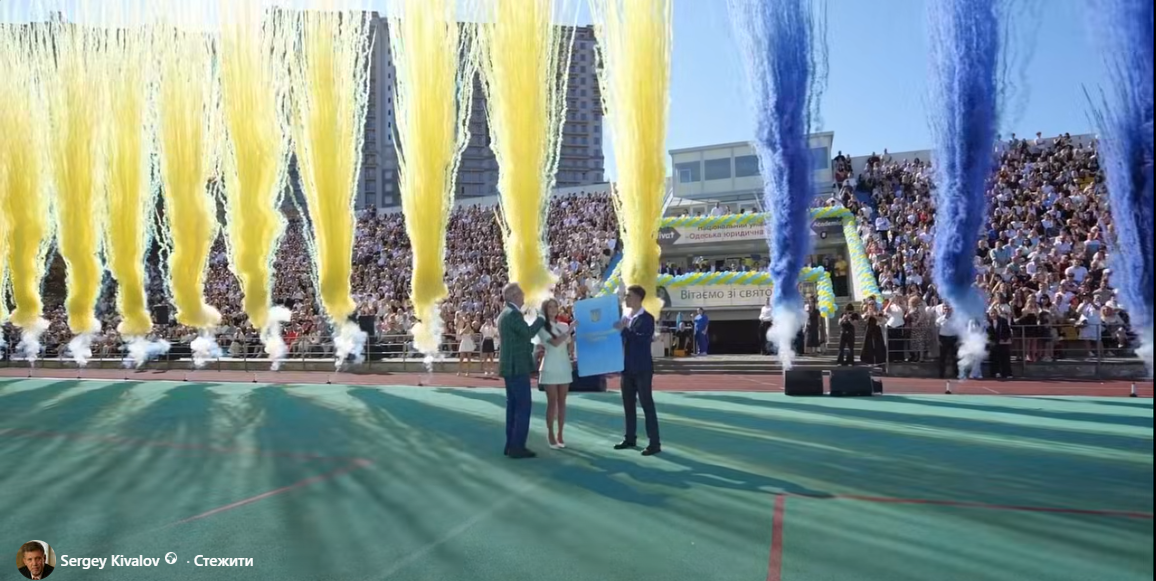
On August 31 in Odesa, large-scale celebrations marking Knowledge Day were held at the sports complex of the National University "Odesa Law Academy." According to University President Serhiy Kivalov, the event brought together about 7,000 students, their parents, faculty members, and guests.
Kivalov called the event “the largest Knowledge Day in Ukrainian history” and reported that the record was verified by representatives of the Ukrainian Book of Records.
Photos released show that people were gathered in large numbers on the sports field, and the stands surrounding it were filled with spectators.
The celebrations took place from 9:00 a.m. to 10:30 a.m . on August 31 —the very day the Odesa region was under Russian attack.
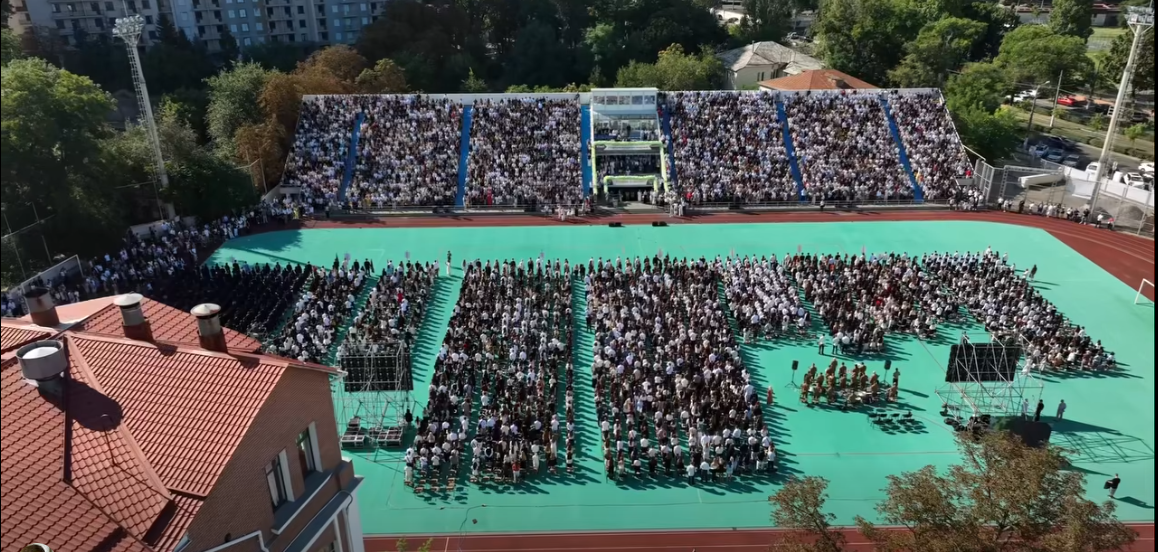
PHOTO: Screenshot from a video by Serhiy Kivalov/Facebook
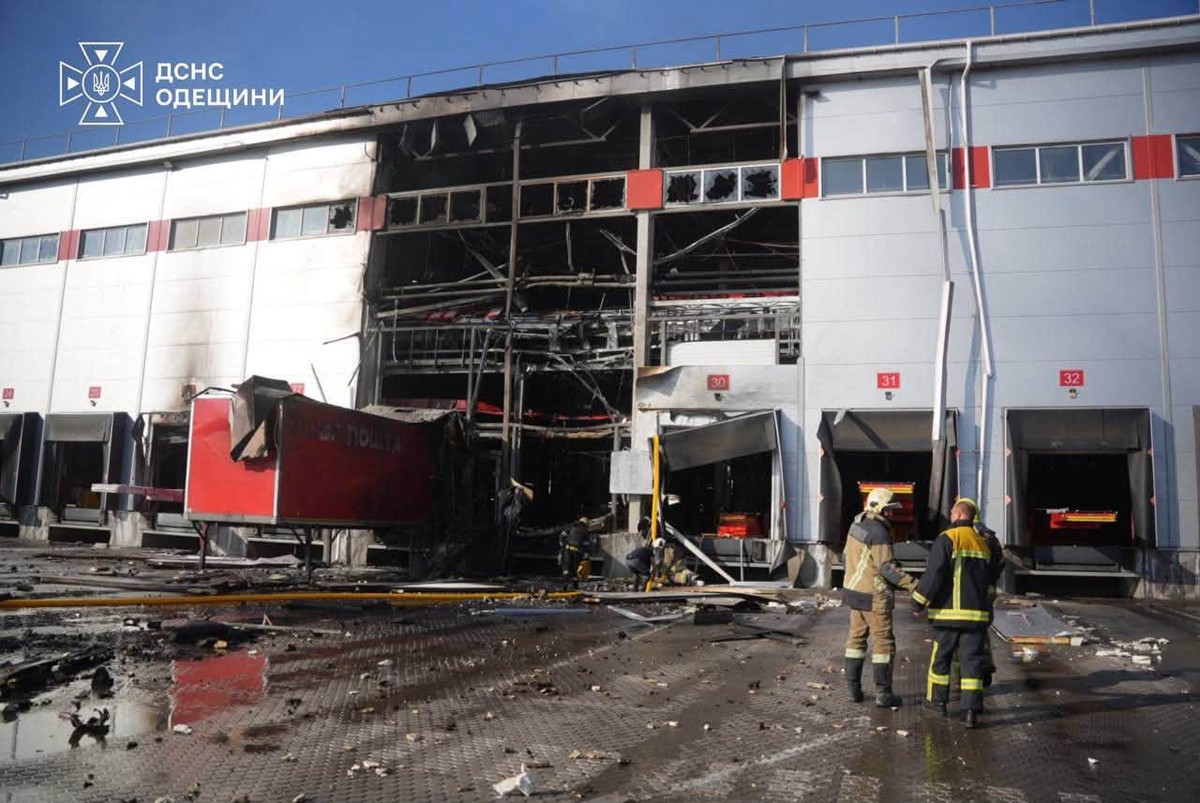
Around 8:00 a.m., shortly before the event began, Russian troops struck a “Nova Poshta” terminal in the Odesa region. A fire broke out at the facility, which firefighters extinguished. Later, “Nova Poshta” reported that the attack destroyed an innovative terminal and a sorting line; the equipment cannot be repaired. None of the employees were injured.
Furthermore, according to air raid alert statistics for August 31, the Odesa region was repeatedly under threat throughout the day. The graph shows air raid alerts, specifically at night between approximately 3:00 a.m. and 4:00 a.m., as well as at 8:00 a.m., 11:00 a.m., and 8:00 p.m.
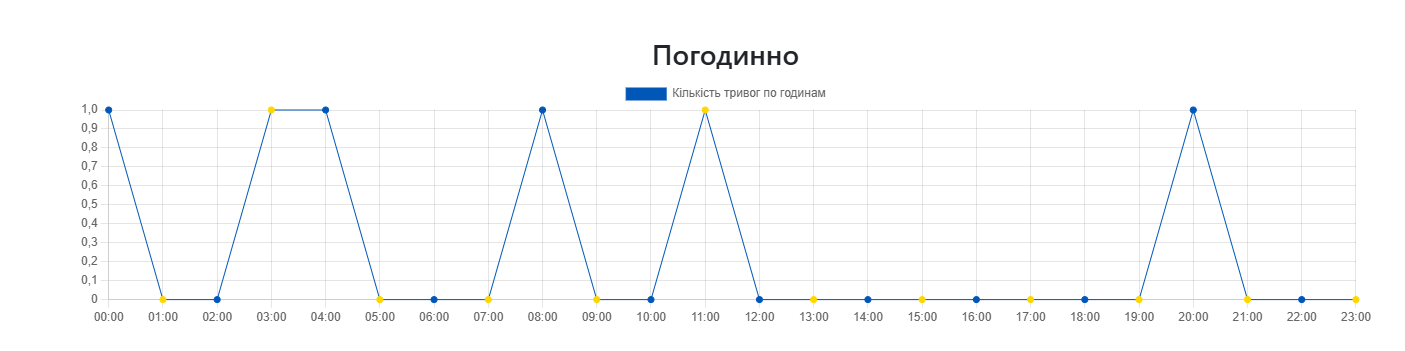
In other words, an air raid alert sounded in the region about an hour before the start of a mass event, and a Russian strike near Odesa caused a fire at a large logistics facility.
On the eve of September 1, Oleksandr Lonchak, director of the Odesa Regional State Administration’s Department of Education and Science, urged educational institutions to cancel traditional mass assemblies due to the threat of Russian shelling.
“A large gathering of children in a schoolyard or other open area poses an additional and unjustified risk,” Lonchak stated. He recommended holding celebratory events in small groups and taking into account the availability of shelters.
The Ministry of Education and Science also separately recommended avoiding large gatherings of people. If an event is held in a schoolyard or auditorium, the number of participants should not exceed the shelter’s rated capacity.
What about shelters?
On the official map of Odesa’s shelters in the area of the National University “Odesa Law Academy,” our editorial team found five basic shelters listed as belonging to the university.
The stated capacity of the facilities indicated on the map is as follows:
- Akademichna St., 9 — 1,200 spaces;
- Akademichna St., 8 — 360 spaces;
- Akademichna St., 2, Bldg. 2 — 1,240 spaces;
- Akademichna St., 2 — 120 seats;
- Akademichna, 2 — 120 seats.
Total: 3,040 seats.
This is approximately 4,000 fewer seats than the number of event participants stated by Kivalov—about 7,000.
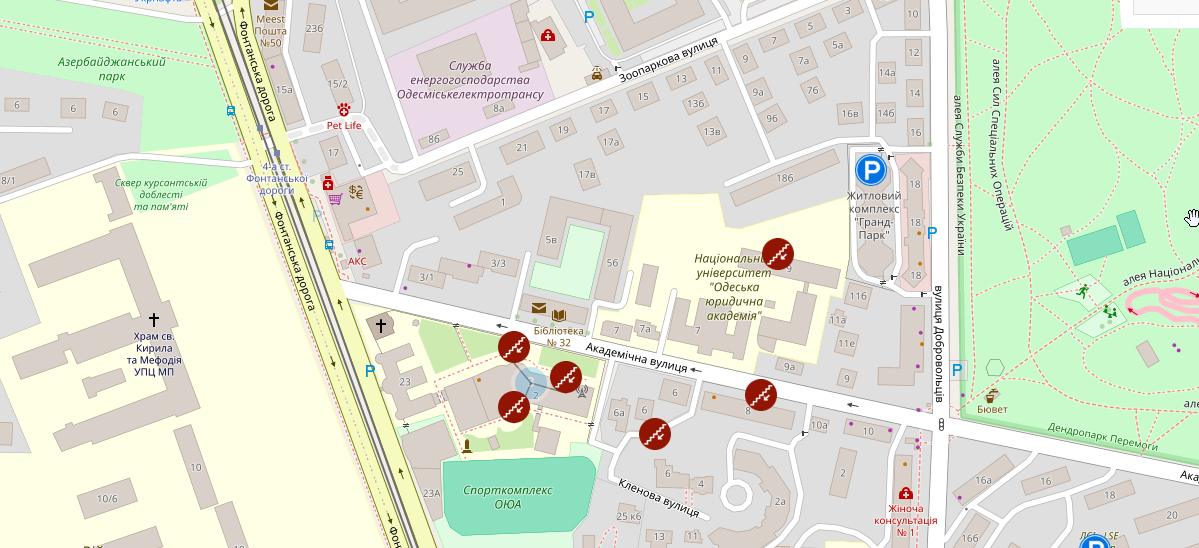
Of course, the shelter map alone does not make it possible to determine that all five structures were intended for use specifically by participants in this event. It is also unknown exactly what evacuation plan the organizers had developed.
But the question remains: in the event of a sudden air raid alert, how were several thousand people who were simultaneously at the stadium supposed to get to the shelters in an organized manner, given that their stated total capacity is about 3,040 spaces?
Also present at the celebrations was Grigory Didenko, chairman of the Odesa Regional Council, who posted photos from the event and reported that he had congratulated the university students.

However, the official website of Odessa National University of Law contains only a statement dated August 30, 2025, regarding authorization from the “South” Operational Command to hold the celebrations, provided that the necessary safety measures were implemented. The document published by the university containing this authorization is dated August 29, 2025, meaning it pertains to last year’s event. No document officially authorizing this year’s celebrations has been published.
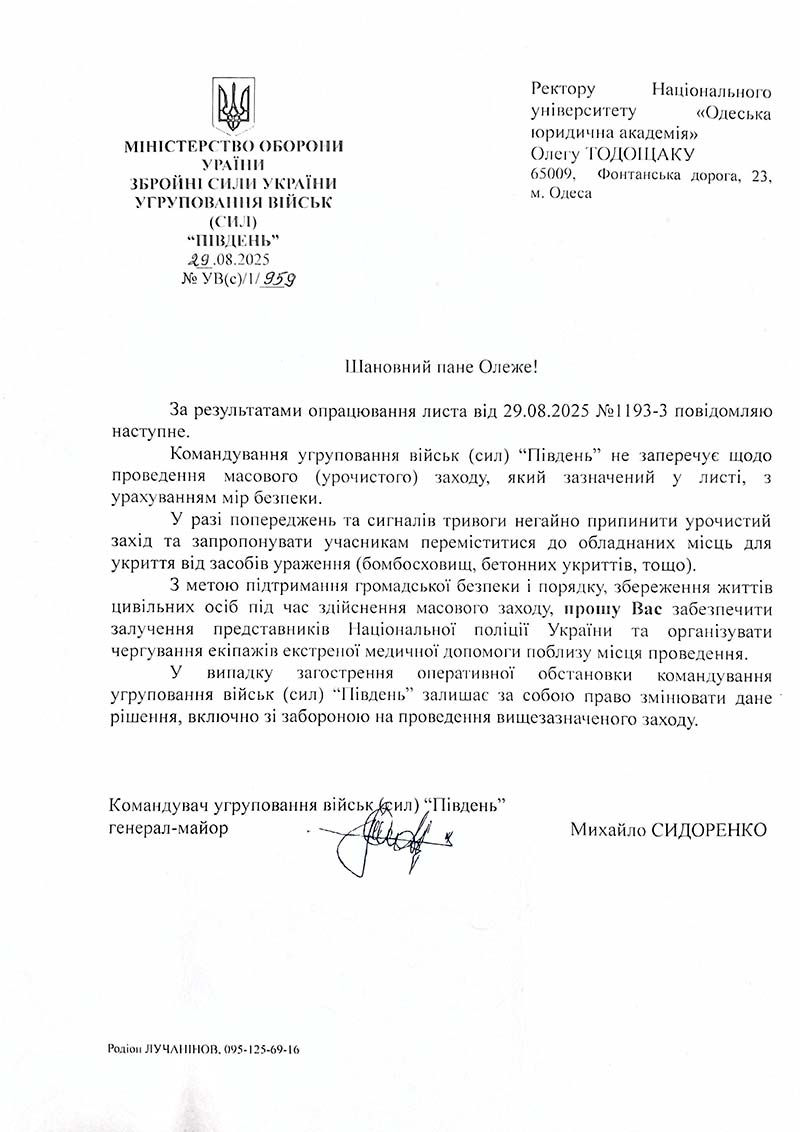
Thus, the question is not whether the university had the right to hold the event—there was no direct ban on mass gatherings in the region. The question is this: to what extent was it justified to gather thousands of people in one place on a day when the Odesa region was under a real threat of Russian strikes, and when, literally just before the celebrations began, the occupiers attacked a facility near Odesa?
As a reminder, on April 29, 2024, during a missile attack on Odesa, the Russians killedseven peopleand wounded 30 residents, includingone child and a pregnant woman. The student palace of the “Odesa Law Academy,” known in Odesa as the “Harry Potter Castle,” sustained damage from the missile strike.
Boris Vasilyev, vice rector of the International Humanitarian University, was killed at the residence, andSerhiy Kivalov, a former member of parliament and president of the National University “Odesa Law Academy” and Moscow State University, was injured. A period of mourning was declared in the city.
Dmytro Pletenchuk, a spokesperson for the Southern Defense Forces,calledthis strikeexceptional. According to the military official, the Russians had previously fired shrapnel rockets at Ukrainian territory, but this was the first time the occupiers had struck a crowded area with such a cluster munition.