Меню
Соціальні мережі
Розділи
April 8, 2026, 11:35 a.m.
Childhood in a camp: stories of prisoners told in Mykolaiv region
This article also available in English2

Photo: Items on display in Pivdenoukrainsk. Suspilne Mykolaiv/Nadiya Kovtan
In the city of Pivdenoukrainsk, Mykolaiv region, a thematic exhibition dedicated to local residents who survived Nazi captivity was opened on the International Day of Liberation of Concentration Camps.
According to Suspilne Mykolaiv, the exhibition was prepared by the city museum. It tells the stories of three people-Roman Ptashnyk, Yevhenia Pustovoit, and Nina Shevchenko-Rogozhynska. The exhibition features archival photos, documents, and memoirs that recreate the events they experienced.
According to museum researcher Svitlana Korchomna, the fates of these people are evidence of the cruelty of the Nazi camps and at the same time an example of human endurance.
One of the heroes of the exhibition, Roman Ptashnyk, was taken to a concentration camp as a child. His family was deported to Germany, and the boy himself was miraculously not thrown from the train after being injured during a bombing. He spent two years in the camp, surviving medical experiments and exhaustion.
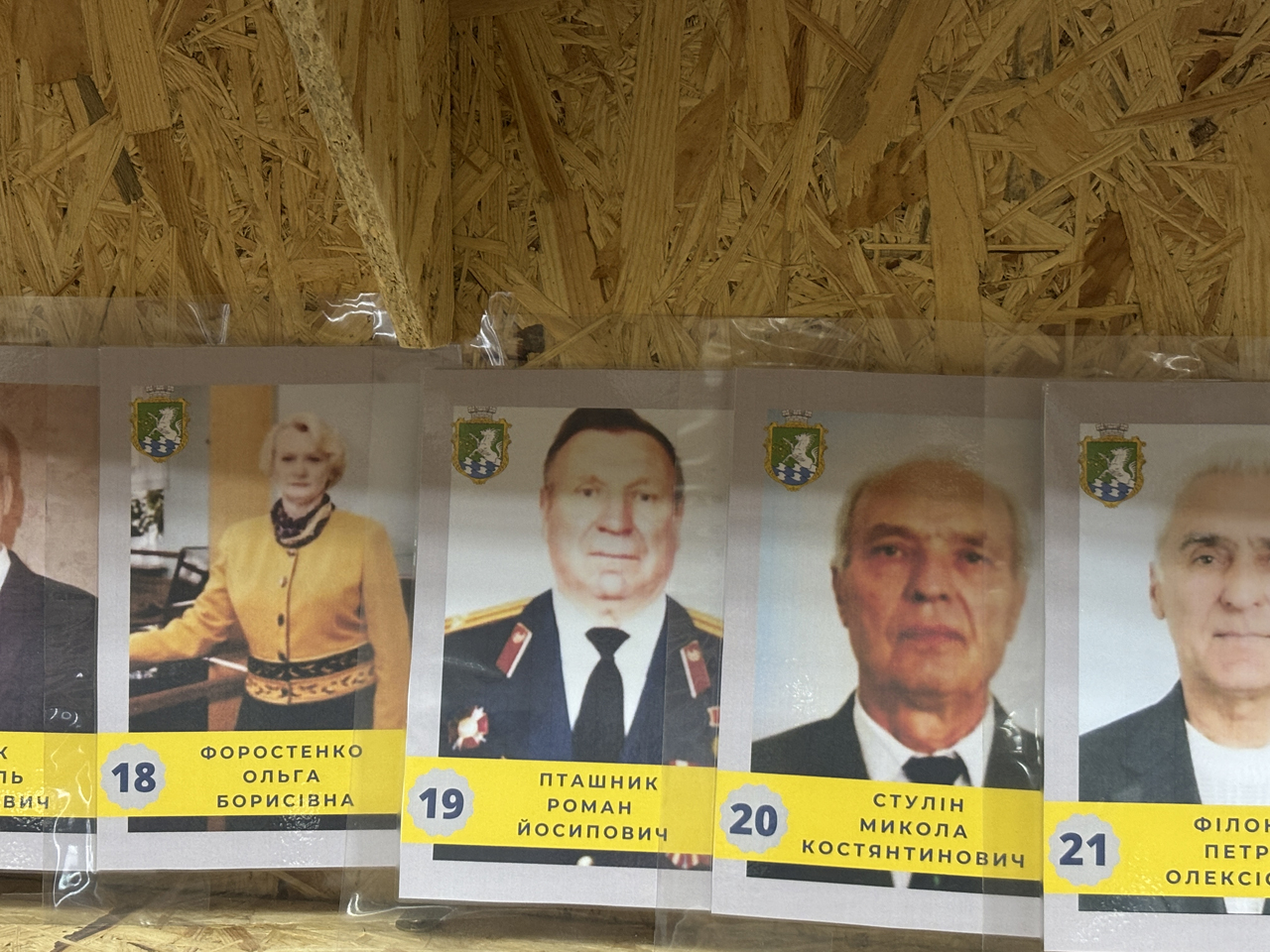 Photo: Photo by Roman Ptashnyk. Suspilne Mykolaiv/Nadiia Kovtan
The stories of Yevheniia Pustovoit and Nina Shevchenko-Rohozhynska are no less tragic. Both worked as nurses and were captured in 1942. They were subsequently sent to the Ravensbrück concentration camp, where they suffered severe forced labor, starvation, and violence.
According to the museum, the girls were forced to perform grueling physical labor, including pulling road rollers. Many prisoners could not withstand the conditions of detention.
Pustovoit spent about a thousand days in the concentration camp, and Shevchenko-Rogozhynska spent two years. After their liberation in 1945, they returned to civilian life, but the consequences of their experiences stayed with them forever.
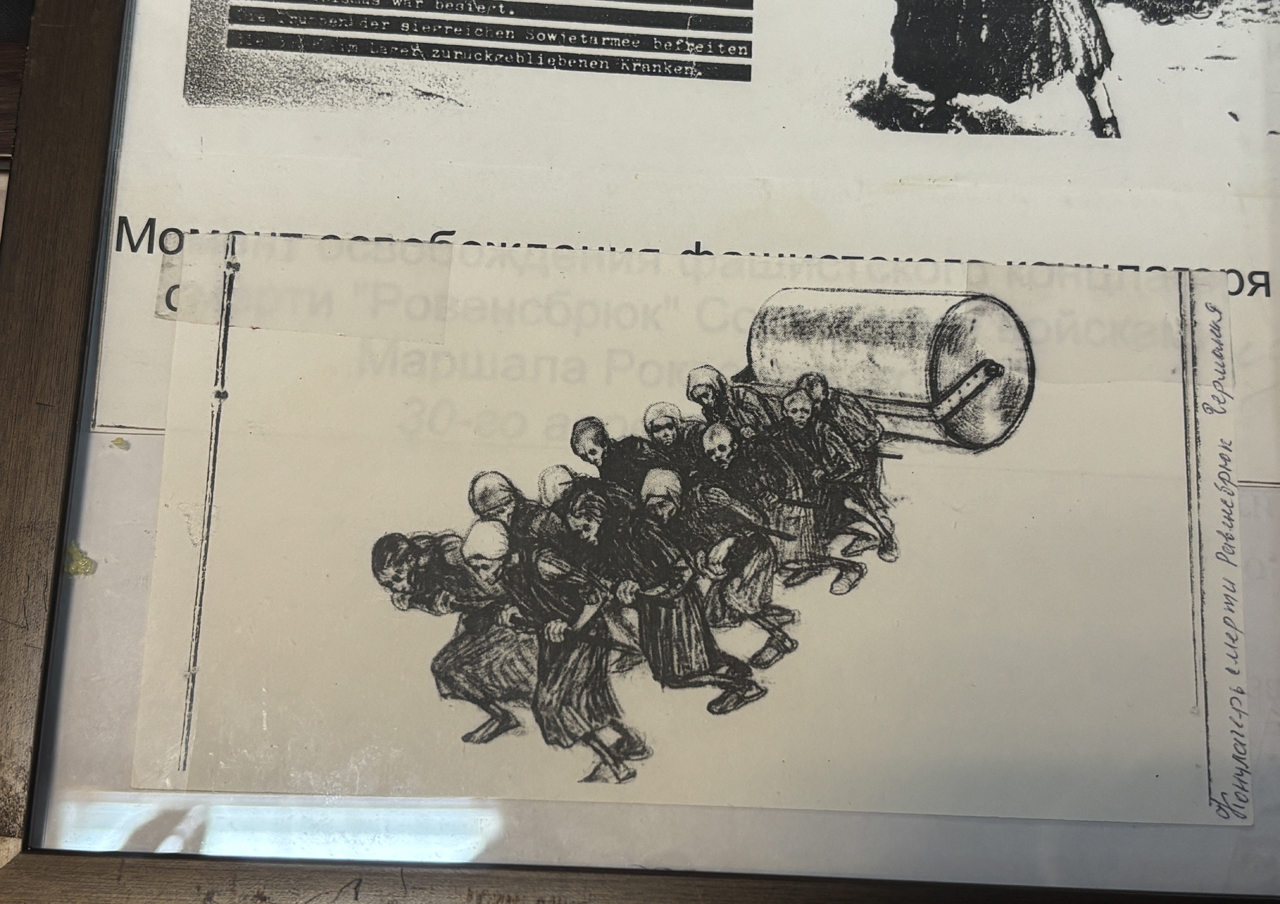 Photo: Photo from the exhibition about German concentration camps. Suspilne Mykolaiv/Nadiia Kovtan
The organizers of the exhibition emphasize that the main goal of the exhibition is to preserve the memory of the tragedy and remind us of the cost of war.
In March 1945, the German command and most of the guards fled the camp in the face of the threat of being captured by American troops. Then, just before the Americans arrived, an armed uprising organized by the prisoners themselves broke out on the territory of Buchenwald (the largest concentration camp). When American troops entered the Buchenwald concentration camp, the rebels had already taken control of the death camp, and the red flag was raised over the camp. April 11 is the day the Americans entered Buchenwald and was adopted as the date on which the "International Day of Liberation of Nazi Concentration Camps Prisoners" is celebrated.
Earlier, Intent wrote how the Bundestag hosted a historic speech by Odesa resident Roman Shvartsman on the Holocaust and the war in Ukraine.