Меню
Соціальні мережі
Розділи
June 13, 2025, 8:26 a.m.
In Crimea, locals publicly devalue Russian passports
This article also available in English163

PHOTO: The Yellow Ribbon Resistance Movement
In Crimea, residents are publicly demonstrating their resistance to the occupation by sharing photos of themselves with their desecrated Russian passports. Despite years of forced passportization, people are reminded: Crimea is Ukraine, and the struggle continues.
This was reported by the Yellow Ribbon resistance movement.
On the temporarily occupied peninsula, Crimean residents continue to show quiet resistance, in particular by devaluing the imposed Russian passports. In the cities of Akyara (Sevastopol), Akmesdzhita (Simferopol), Yalta, Alushta, Bakhchisarai and other settlements, Crimeans are sending photos in large numbers in which they demonstratively despise these documents.
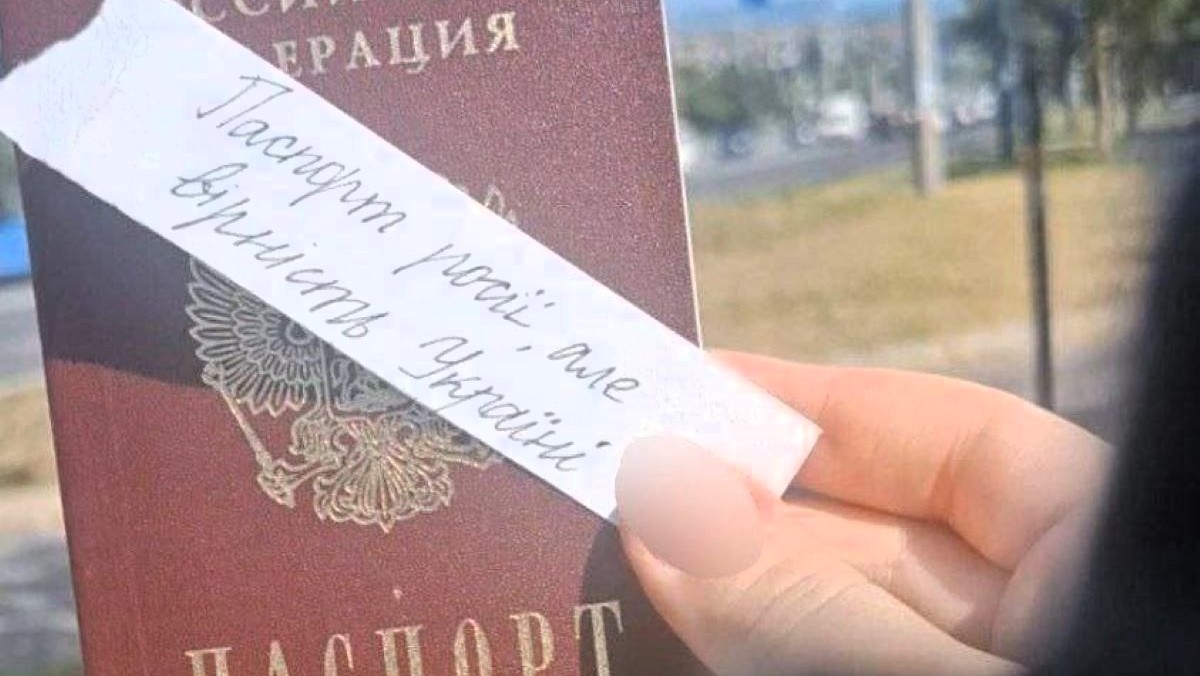 PHOTO: Yellow Ribbon resistance movement
In a statement, the movement emphasized that Crimea was one of the first regions where forced passportization began, and it is here that it has been going on for the longest time. Young people born after 2000 were effectively left with no choice - occupation documents were imposed on them. Passportization, as well as repression, arrests, militarization of children, harassment of Ukrainians and Crimean Tatars, is part of Russia's systemic crime against the civilian population.
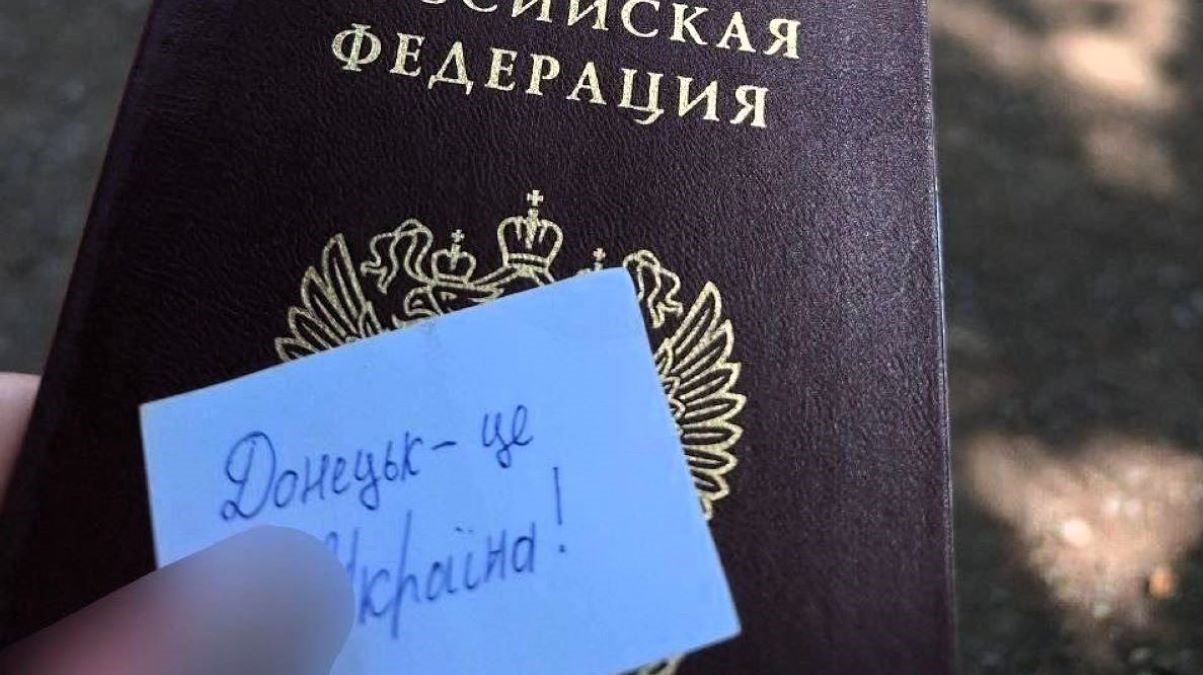 PHOTO: Yellow Ribbon resistance movement
Photographic evidence from the peninsula confirms that even after more than 11 years of occupation, Crimeans have not resigned themselves, remember who they are, and are waiting for Ukraine to return.
Also, in occupied Crimea, parents cannot enroll their children in school without a stamp of citizenship or a residence permit in the Russian Federation on their birth certificate. These new requirements have emerged due to changes in Russian legislation aimed at tightening control over "migrants" and their children.
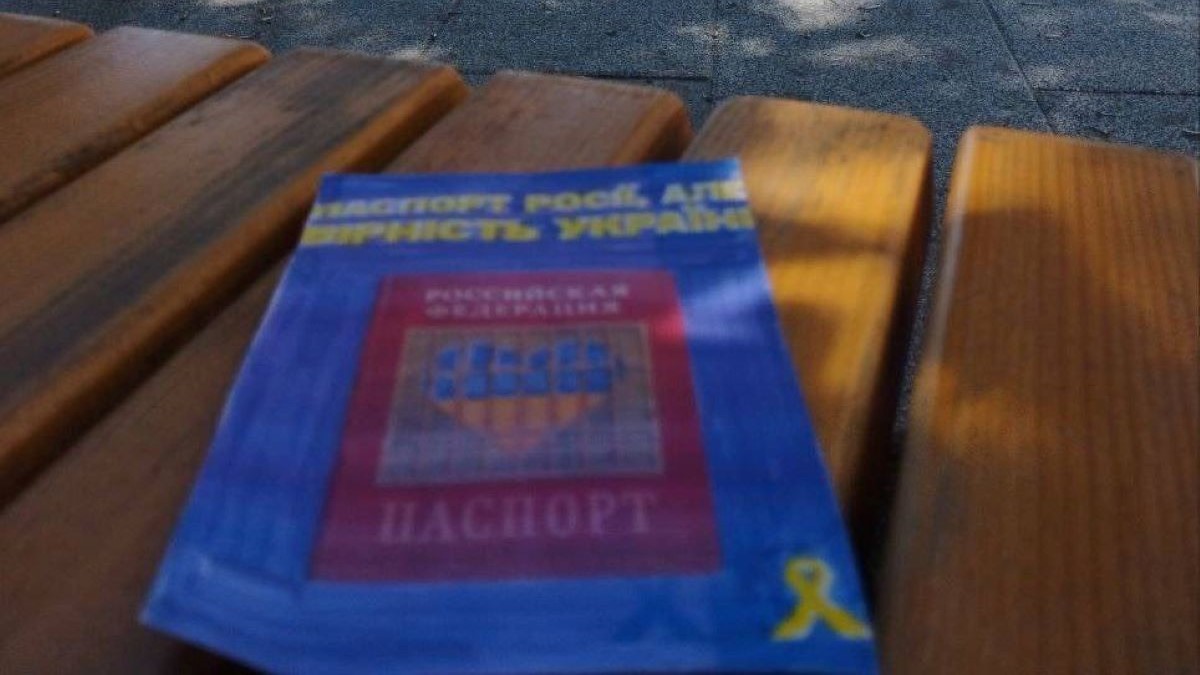 PHOTO: Yellow Ribbon resistance movement
The occupation authorities in Crimea have stepped up repression against dissenters: since the beginning of the full-scale invasion, at least 1350 cases have been opened under the article on "discrediting the army," with almost half of them against women. The Kremlin's repressive policy punishes any manifestation of Ukrainian identity, from comments on social media to participation in human rights activities.