21 October 2026, 17:41
The Odessa Art Museum purchased Roitburd's controversial painting with funds from the Marazli Club
Ця стаття також доступна українською

Alexander Roitburd. PHOTO: Wikipedia
The Odessa National Art Museum has acquired a painting by artist Alexander Roitburd from his controversial series. Members of the "Marazli" club raised funds for the purchase.
This was reported by the museum’s former director, Oleksandra Kovalchuk.
According to Kovalchuk, a friend of the museum and a member of the Marazli Club decided to sell a Roitburd painting from the series featuring explicit scenes. He sent a photo to the museum’s current director, Katya Kulay, and she offered to purchase the painting.
Funds were raised among the members of the “Marazli” club. Kovalchuk noted that this was not easy, as opinions on the work differed. Some considered it too provocative, while others wondered if it might be better to choose something from one of the other series.
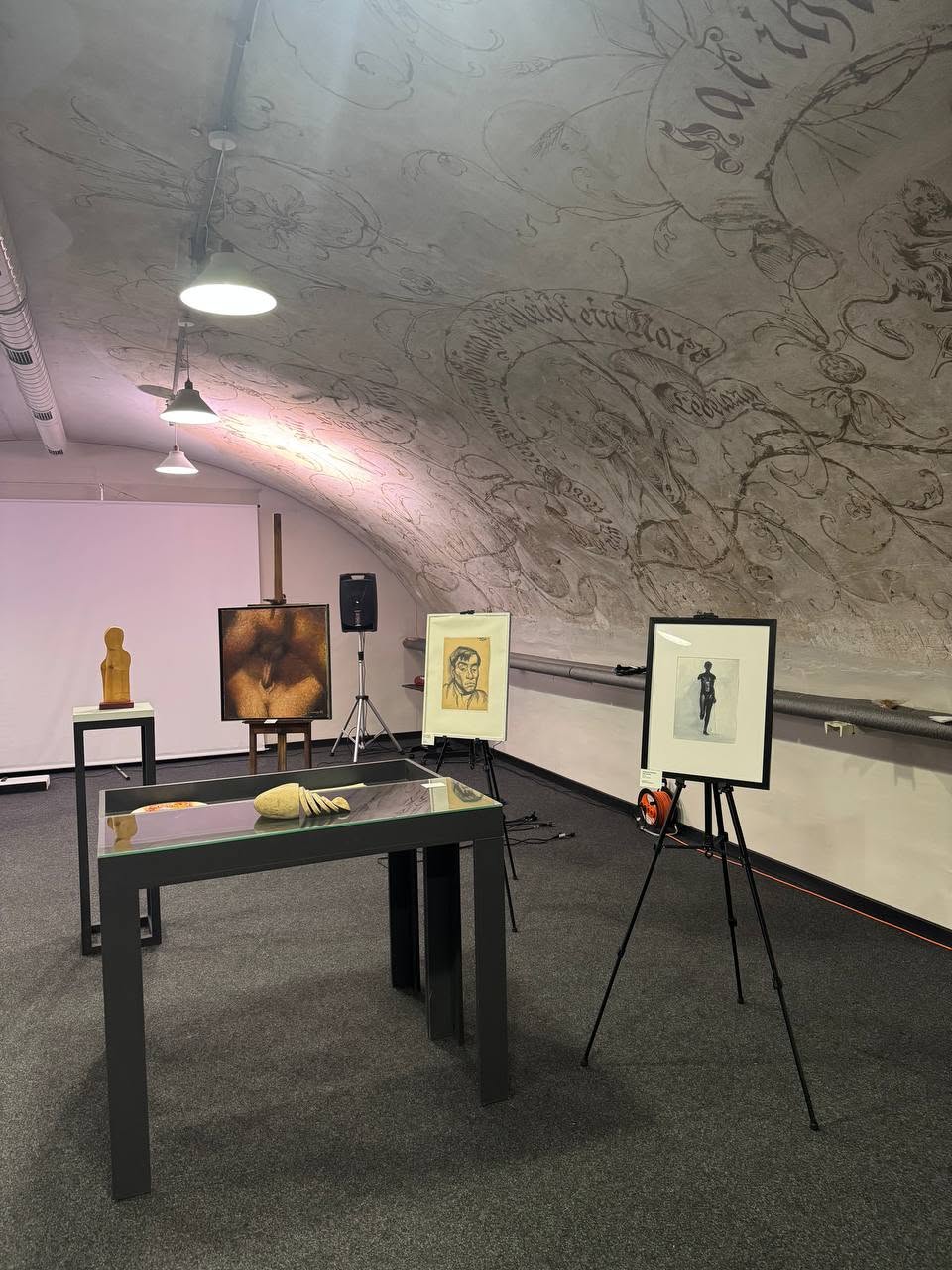
In the end, they managed to raise 70% of the amount. The painting’s owner lowered the price by several thousand dollars. The final price was not disclosed.
Before the purchase, they realized that the painting depicted vaginal, not anal, penetration. It was precisely the fragment depicting anal sex from this series that voters and deputies of the Opposition Bloc used on banners opposing Roitburd’s appointment.
The directors hesitated and consulted with their colleagues. Art historian Yulia Vaganova replied, “Sasha, Katya, don’t worry—they’ll crucify you for both of them.”
According to Kovalchuk, the works were created for an exhibition against censorship, so the provocative content was an important artistic statement. She believes that Roitburd, as a key Odessa artist, should be represented through various periods and series.
As the former director emphasized, the acquisition of the painting is not only an addition to the museum’s collection but also a way to preserve the memory of the confrontation with the Oppoblok. She views this conflict as part of Russia’s hybrid war, aimed, in particular, at preventing the creation of a strong Ukrainian cultural institution in Odesa.