16 April 2026, 20:24
Pages of the life of the author of the first Ukrainian Constitution opened in Odesa
Ця стаття також доступна українською

PHOTO: Intent
In the center of Odesa, they talked about a figure who was ahead of his time and left behind one of the first European constitutions. The story of Pylyp Orlyk came to life through facts, little-known details, and human traits that are rarely mentioned in textbooks.
This was reported by Intent 's correspondent Natalia Dobvysh, who captured the lecture in photos.
A public lecture by Doctor of Historical Sciences Olena Bachynska "Pylyp Orlyk - Hetman's Fate, Cossack Character" was held in Odesa.
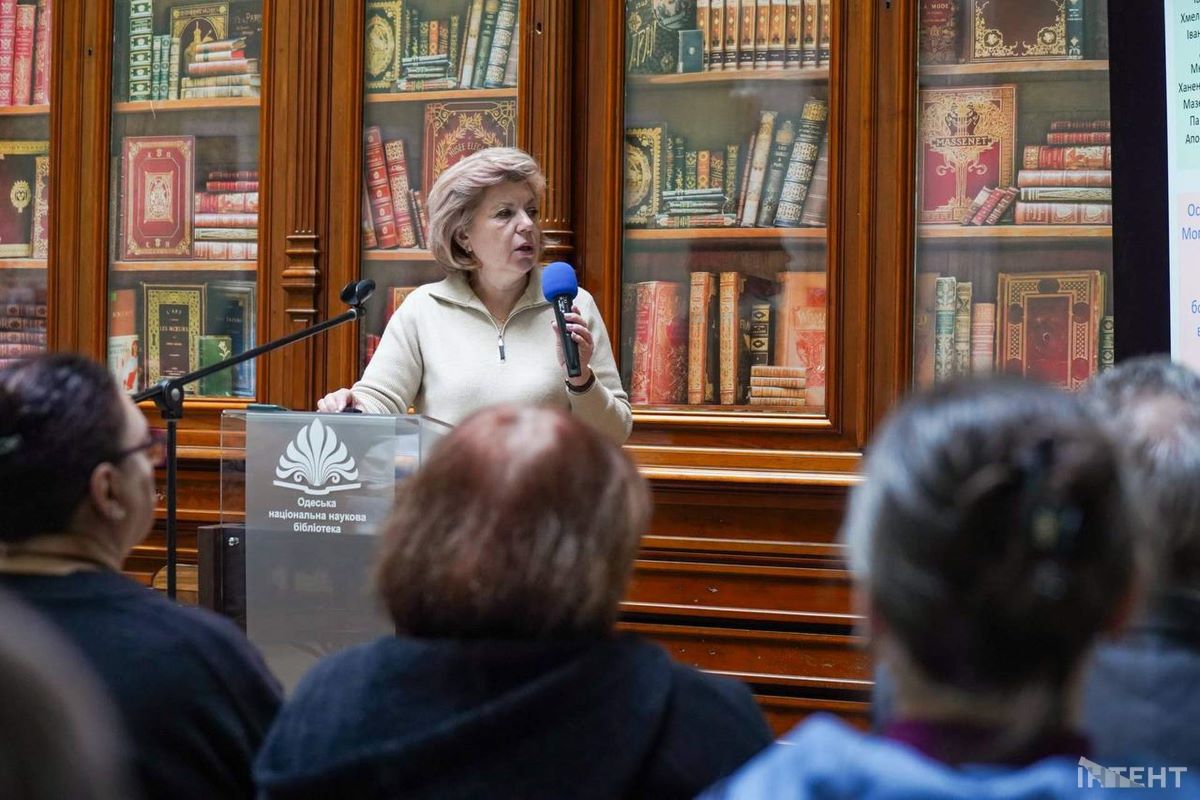 PHOTOS: Intent
The event was held on April 16 at the Odesa National Scientific Library and brought together all citizens interested in the history of Ukraine and its state-building traditions.
During the lecture, Olena Bachynska spoke in detail about the figure of Pylyp Orlyk, the hetman who led the Cossack state in exile for more than thirty years and fought tirelessly for Ukraine's independence.
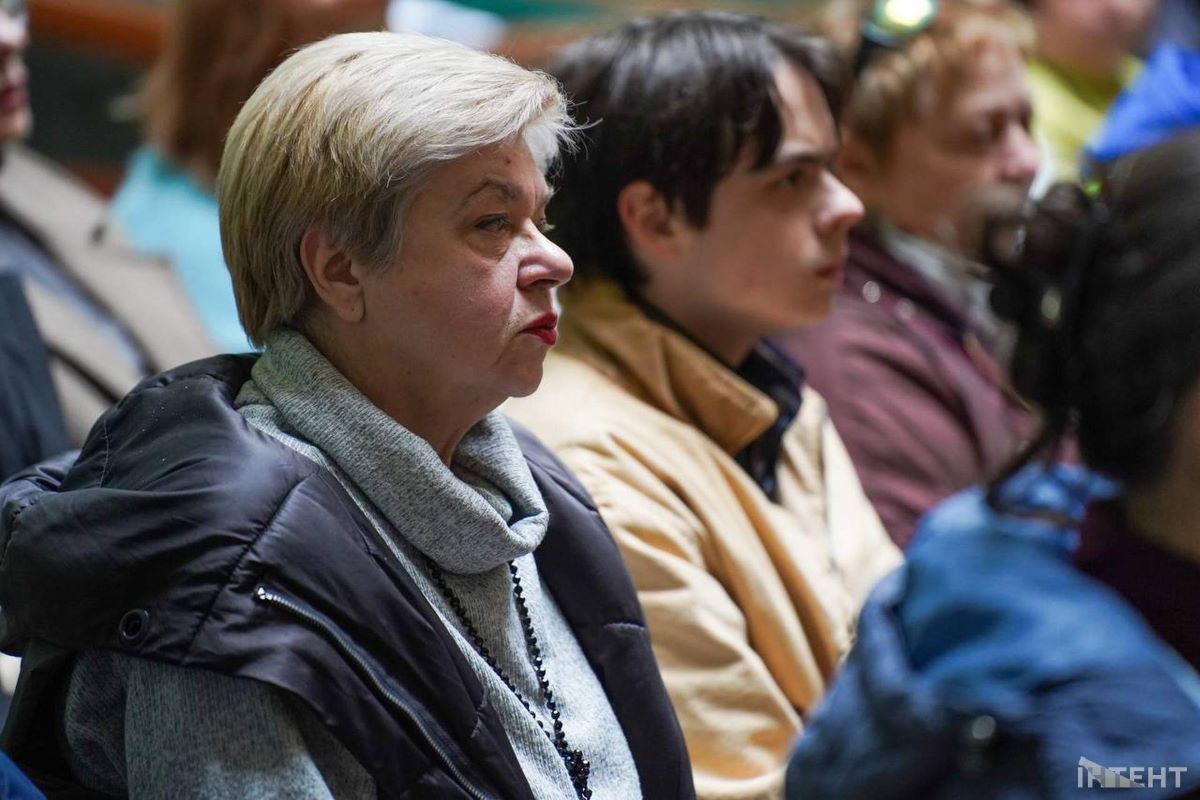 PHOTO: Intent
Particular attention was paid to his role as a publicist and diplomat, as well as his participation in the creation of the Pacts and Constitutions of the Rights and Freedoms of the Zaporozhian Army, a document that is considered the first Ukrainian Constitution.
Pylyp Orlyk (1672-1742) was a prominent Ukrainian political, state, and military figure, Hetman of the Zaporozhian Army in exile and Ivan Mazepa's closest associate. He went down in history primarily as the author of the first Ukrainian constitution.
The lecturer also focused on lesser-known aspects of Orlyk' s life, presenting him not only as a statesman, but also as a man - a father and husband capable of deep feelings and responsibility to his family.
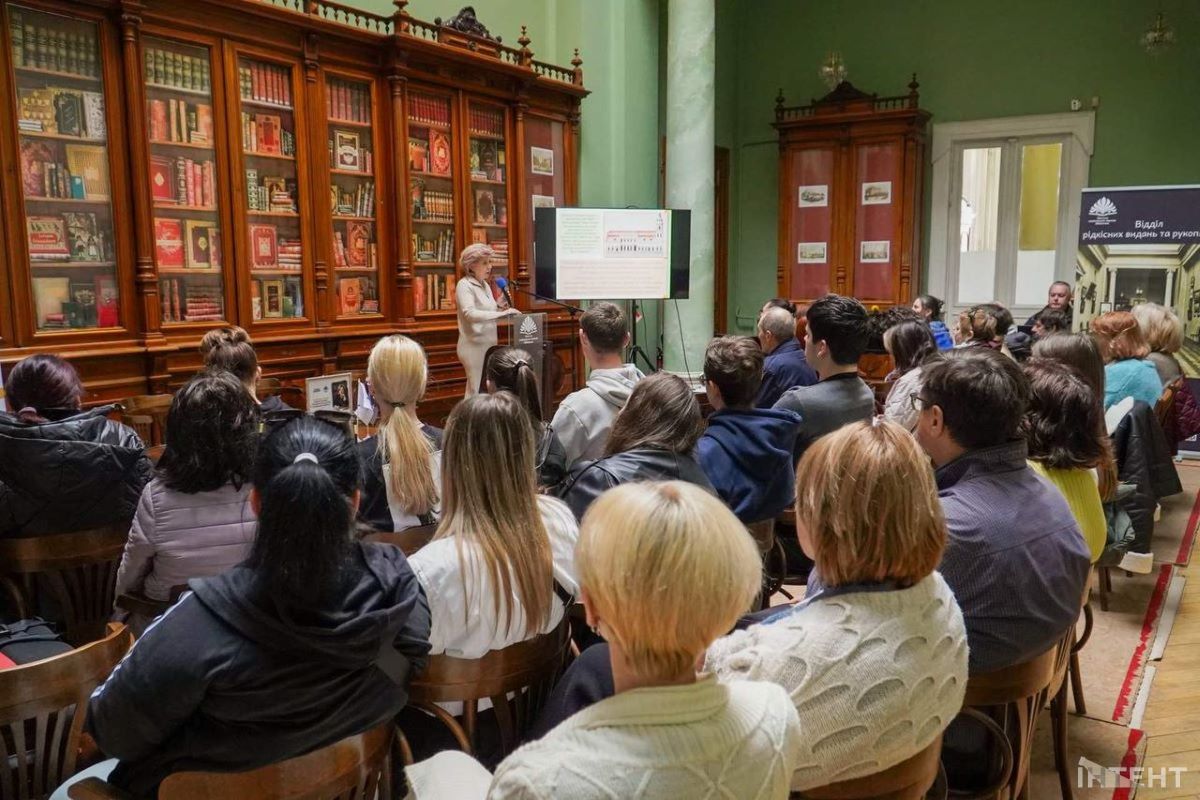 PHOTO: Intent
The event was another step towards popularizing Ukrainian history and rethinking the role of its key figures in modern society.
Also in April, Odesa hosted an advocacy meeting "Museums and Audiences: Communication, Partnerships, Expectations," which brought together representatives of cultural institutions, media, education, the public sector, and government. Participants discussed how museums can adapt to new wartime challenges and effectively interact with their audiences.