07 September 2026, 15:35
A book about children from the occupied territories who were able to return to Ukraine was presented at the PORT festival in Odesa
Ця стаття також доступна українською

PHOTO: Intent
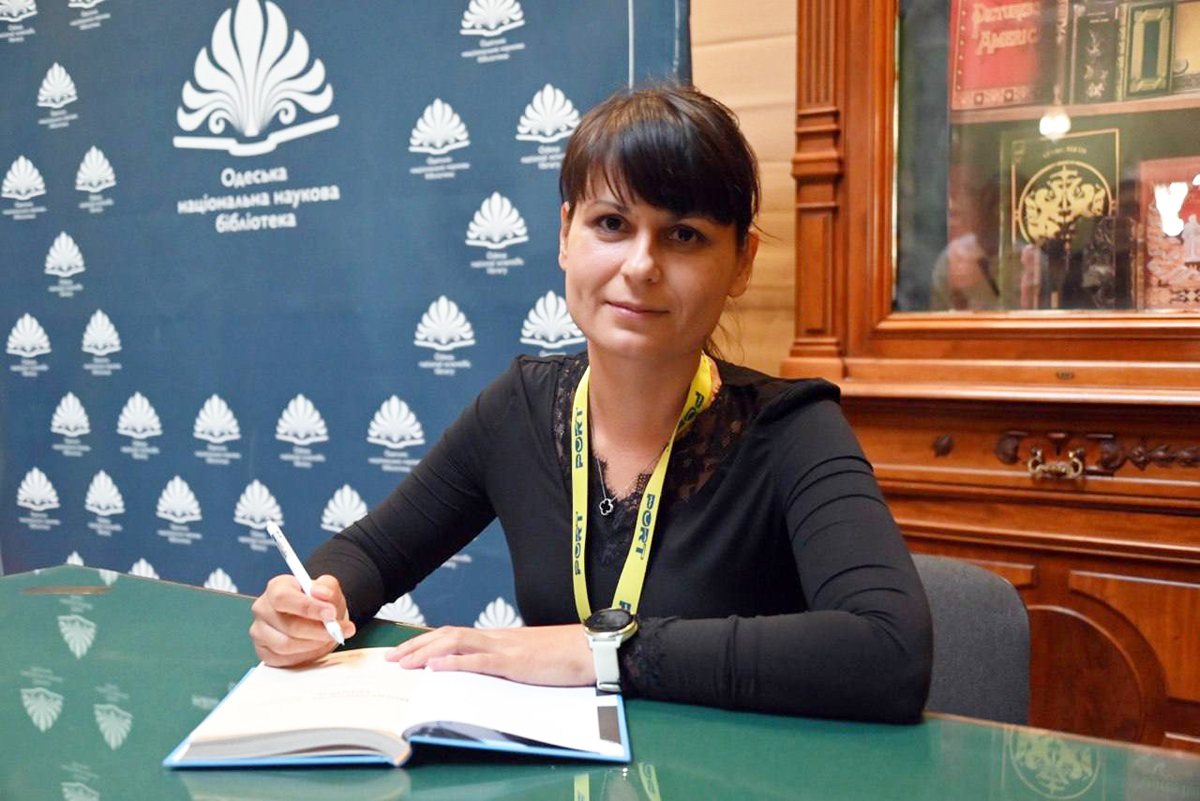
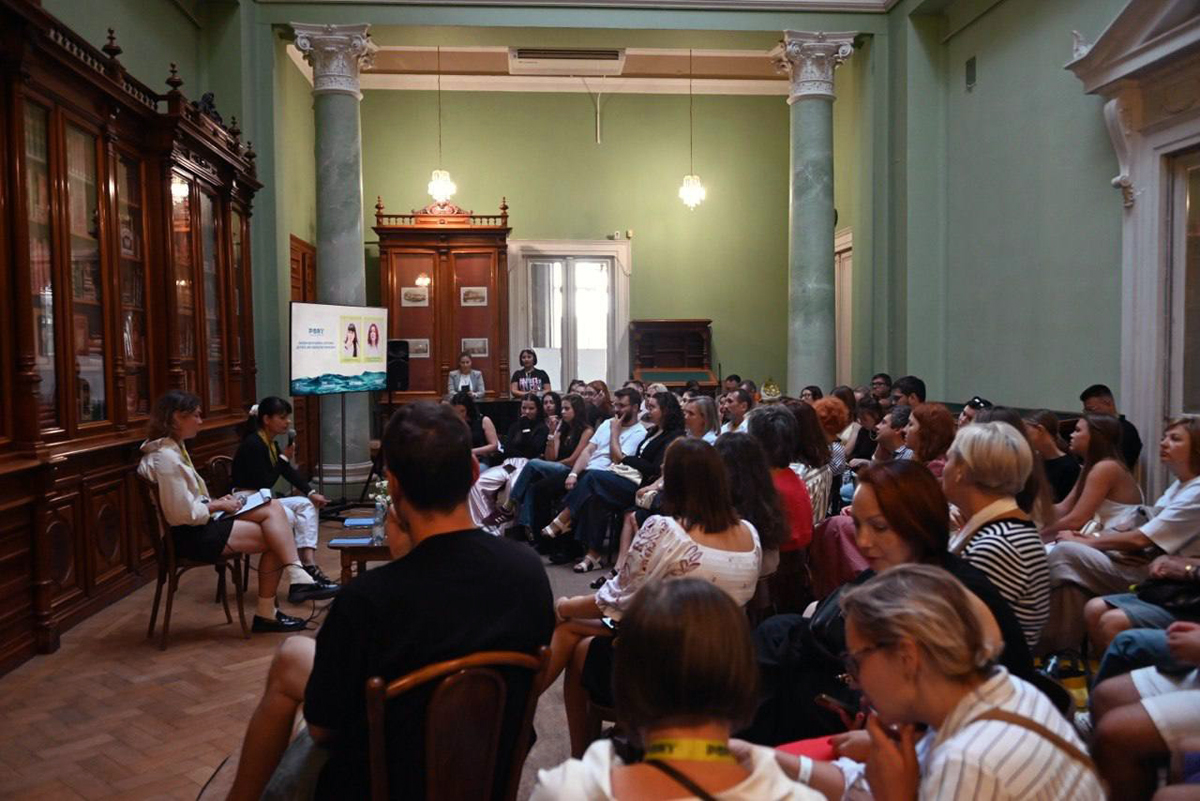
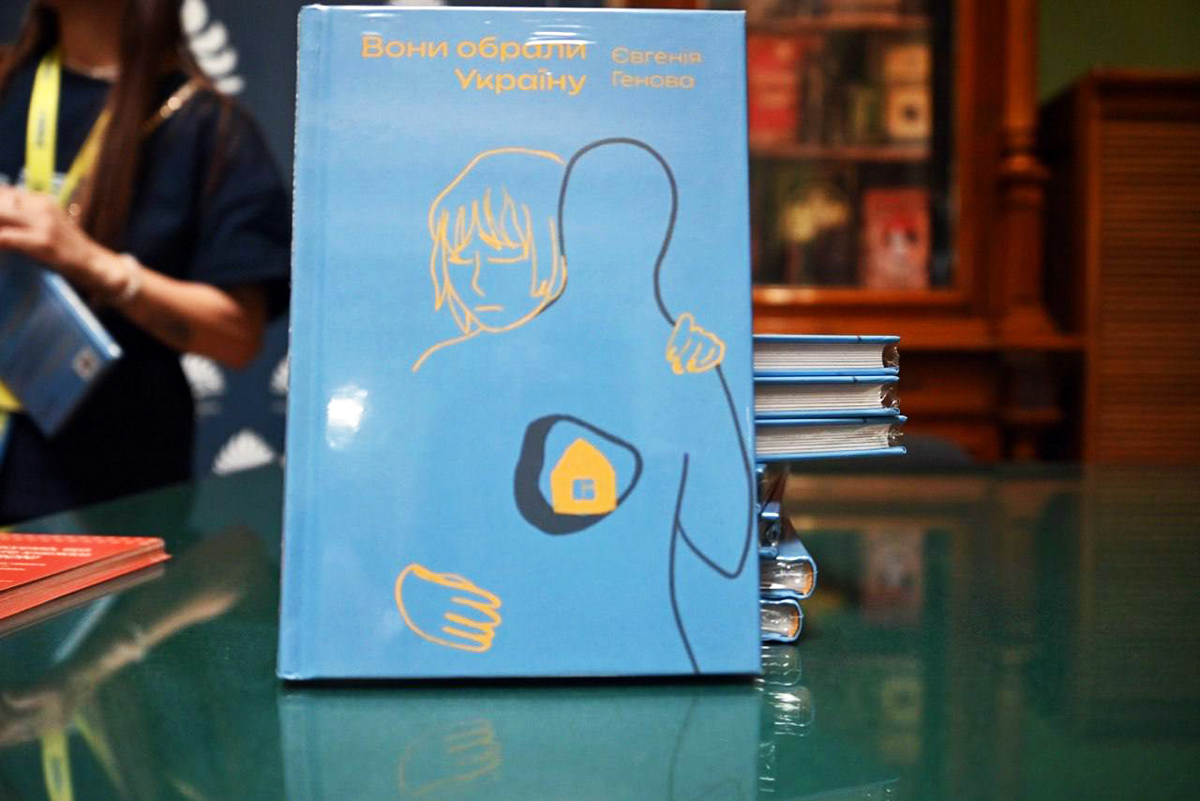
As part of the “Port” literary festival in Odesa, Intent journalistYevgeniya Genova presented the book*They Chose Ukraine* — a nonfiction collection of real stories about young people who, as children, found themselves under Russian occupation or were deported but managed to return to Ukraine.
The book’s protagonists are primarily people between the ages of 18 and 20. At the time of the occupation or deportation, they were children —some experienced these events when they were 7 or 8 years old. Some of these young people were only able to leave the occupied territories after turning 18.
According to Genova, she found the subjects through social media, fellow journalists, and civil society organizations that help bring Ukrainian children and young people back from the occupied territories.
All the protagonists agreed to share their stories. As the journalist explains, many of them consider publicly testifying about their experiences an important mission—in particular, to shed light on Russia’s crimes against Ukrainian children.
The book also shows how young people are adapting after returning to Ukraine. Some have become students, some are working, and others have joined the military as volunteers. For some, the return was easier thanks to their parents and family in Ukraine; others have to rely mainly on support from civil society organizations. Some of the protagonists left the occupied territories with virtually nowhere to go.
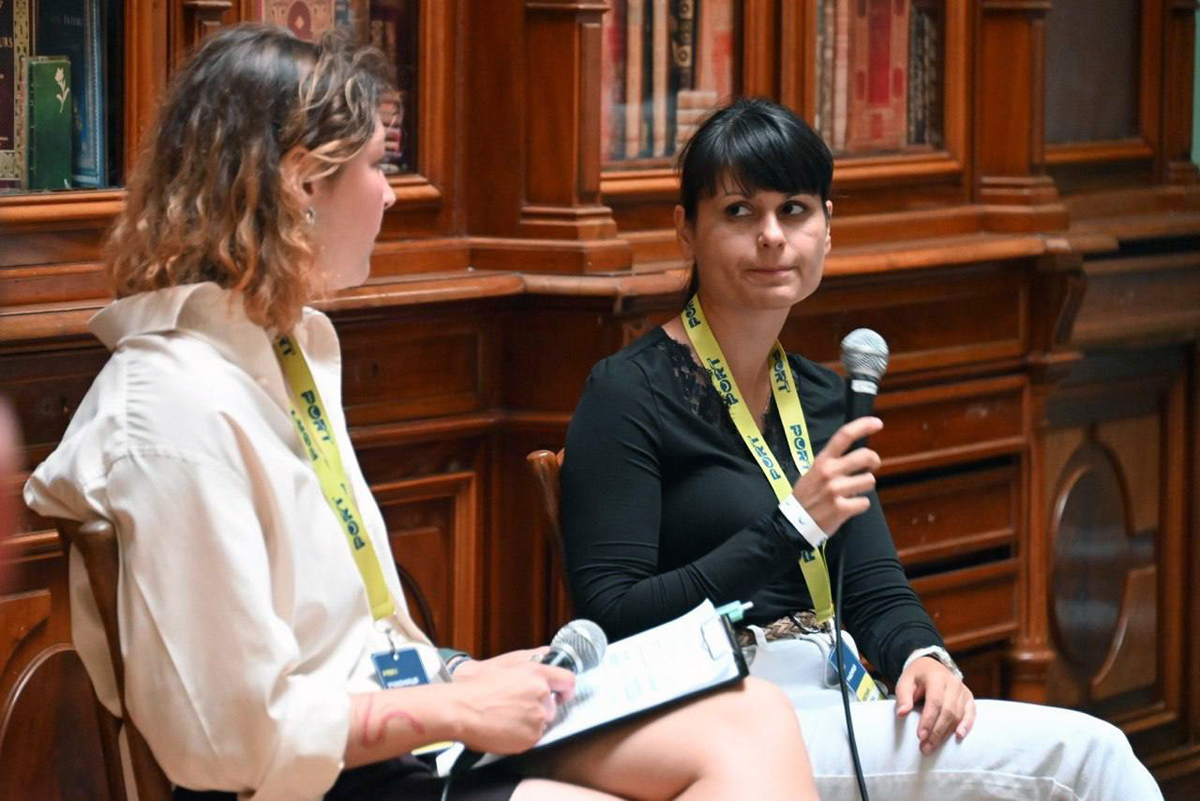
The book begins with three stories of Ukrainian teenagers— Stepan Chubenko, Tigran Oganisyan, and Mykyta Khanganov. Genova explained that she felt it was important to highlight their stories at the beginning of the book.
The presentation itself, according to the journalist, resonated deeply with the audience. After the event, people were particularly interested in how they could support young people who had survived the occupation and deportation.