04 August 2026, 17:41
The case of a recruiter of teenagers in Odesa for sabotage operations has been referred to court
Ця стаття також доступна українською

Photo: Odesa Regional Prosecutor's Office
In Odesa, a case involving the organizer of a terrorist attack who financed the recruitment of children for sabotage operations has been referred to court.
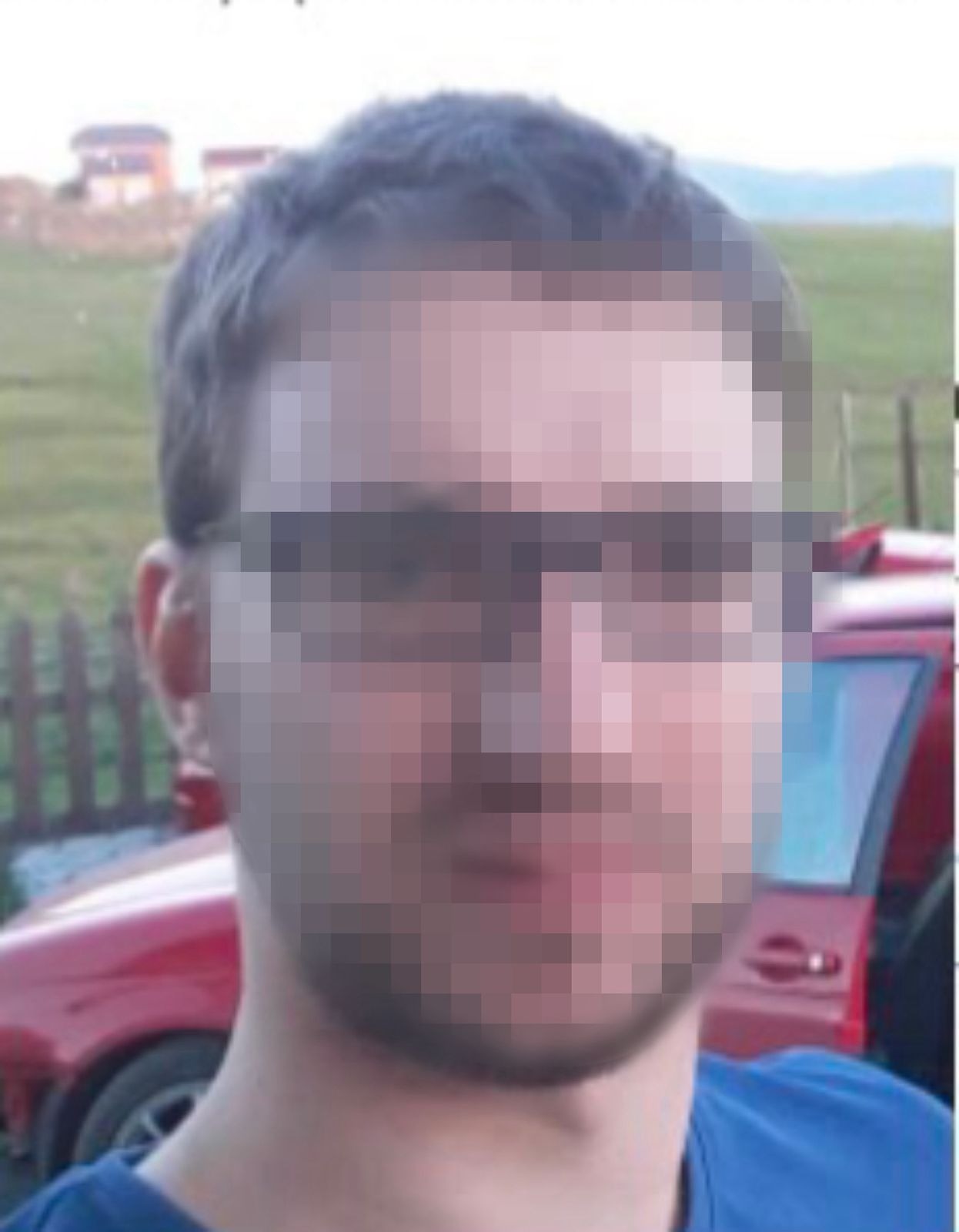
According to the Odesa Regional Prosecutor’s Office, the 39-year-old native of Krasnoyarsk is charged with organizing a terrorist attack and financing terrorism. The man operated remotely and served as an intermediary between Russian intelligence agencies and the perpetrators of crimes in Ukraine.
Law enforcement officials are still working to identify his accomplice in Odesa, who was directly responsible for finding the perpetrators.
The recruiter created a Telegram channel calling for resistance to mobilization. Through job search groups in Odesa, he recruited people willing to “make easy money” by carrying out various tasks.
Money to pay the operatives was transferred via cryptocurrency wallets. The investigation documented several transactions between May 2 and May 17, 2024.
At first, the recruits were tested with simple tasks—drawing banned symbols in crowded places and posting flyers. At the same time, they were required to gather information on the locations of the Defense Forces.
The tasks then became more complex: damaging military property and vehicles, and later—preparing incendiary mixtures and setting fires.
With financial support from a Russian citizen, the intermediary recruited two underage boys into criminal activities. One of them initially refused but agreed after being promised a larger reward and assurances that subsequent tasks would be easier.
The teenagers were instructed to set equipment on fire with Molotov cocktails, film the process, and show a poster advertising a Telegram channel in the video.
On the evening of April 14, 2024, the perpetrators climbed over a fence onto the company’s premises. They prepared four incendiary devices and a poster, then set fire to a Defense Forces emergency response truck—throwing three Molotov cocktails at the wheel assembly and battery compartment.
After the perpetrators sent the video report, they received the promised reward.
Subsequently, Russian propagandists used the video of the arson to fabricate a false pretext regarding the alleged existence of an “underground” and “resistance cells” in Odesa.
The court is already reviewing the case files regarding the two minors who were involved in the crime.
Earlier, Intent reported on the exposure in Odesa of Russian intelligence officer Artem Shmuly, who recruited teenagers to carry out sabotage and terrorist attacks. The minors were persuaded to set fire to military facilities and infrastructure with the promise of quick money.